Sri Lanka’s president has acknowledged for the first time that more than 20,000 people who disappeared during the country’s civil war are dead.
Gotabaya Rajapaksa made the remark in a meeting with a UN envoy in the capital, Colombo.
Steps would be taken to issue death certificates for those missing, a statement from his office said.
Submit Your Press Release
Get your company news, announcements, launches, appointments and events in front of a wider audience.


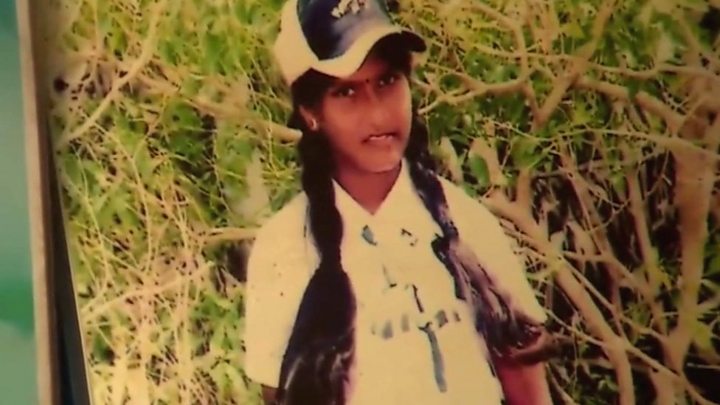
Hundreds of families of the missing have been attending rallies demanding to know where their loved ones are.
Many have held out hope that their relatives were still alive and in the hands of the security forces, a view rejected by the government. These families meet and hold daily vigils to protest and to keep their relatives’ memories alive.
What’s the background?
The Sri Lankan army defeated Tamil Tiger rebels in May 2009 after 26 years of bloody conflict.
The war divided Sri Lanka along ethnic lines – pitting the majority Buddhist Sinhalese-dominated government against Tamil rebels who wanted a separate state. The fighting killed an estimated 100,000 people and left about 20,000, mostly Tamils, missing.
President Rajapaksa was Sri Lanka’s defence secretary at the time and played a leading role in crushing the rebels. He is hailed as a hero by many in the Sinhalese population but deeply distrusted by the Tamil community.
At the end of the war, the United Nations accused both sides of atrocities, especially during the conflict’s final stages.
There were numerous accounts of Tamil forces being killed as they tried to surrender, or after being taken into custody. The government strenuously denied such claims despite compelling video evidence.
Enforced disappearances continued in the years after the war as businessmen, journalists and activists seen as opponents of Mr Rajapaksa and his brother Mahinda, who was then president, were rounded up and never seen again.
The Rajapaksa government denied any role in the disappearances. Earlier this year, Gotabaya Rajapaksa told the BBC that war crimes allegations against him were “baseless” .
What has the government said?
The statement, on the president’s meeting with UN resident co-ordinator Hanaa Singer, said most of the missing had been conscripted by the Liberation Tigers of Tamil Eelam (LTTE).
“President Rajapaksa outlined his plans to address the issue of missing persons. He explained that these missing persons are actually dead,” the statement said.
“The families of the missing attest to it. However, they do not know what has become of them and so claim them to be missing,” he said.
Under Sri Lankan law, not having death certificates means that families cannot access property deeds, bank accounts or inheritances left by those missing relatives.
The UN and other rights groups have pressed the Sri Lankan government to establish a war crimes tribunal to investigate allegations of human rights abuses – both by the military and the Tamil rebels.
Successive Sri Lankan governments have resisted such attempts, saying it is a domestic issue and the allegations should be investigated internally.
Courtesy: BBC