
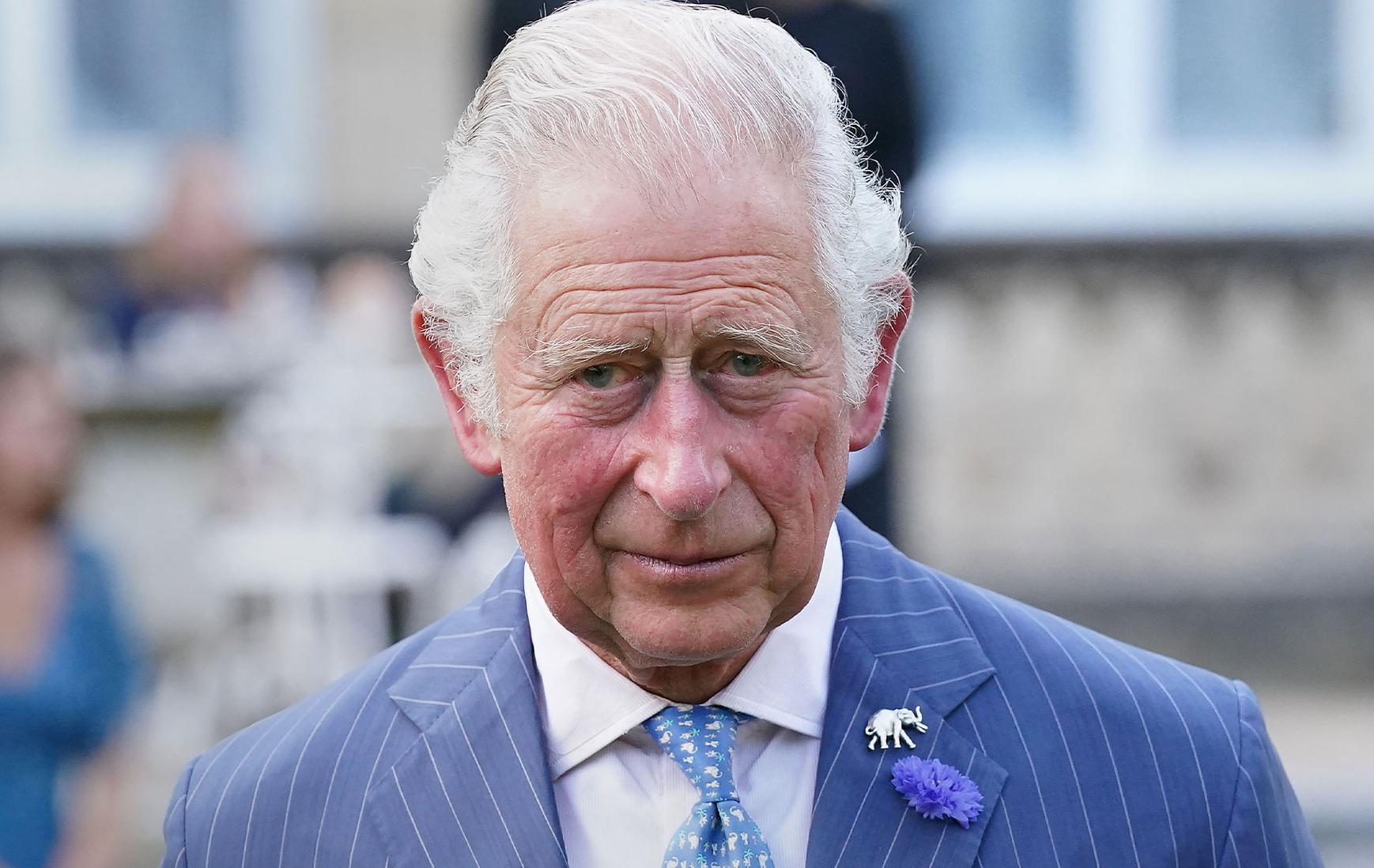
CHARLES III’S HIGH-RISK AMERICAN VISIT BECOMES A TEST OF DIPLOMACY, SECURITY AND THE FUTURE OF THE “SPECIAL RELATIONSHIP”
Be that as it may, there are moments when even monarchy stops being ceremonial.
This week may have been one of them.
King Charles III tonight appears to have completed one of the most politically delicate and security-sensitive visits ever undertaken by a modern British monarch to the United States. Officially, it was Charles’s 20th visit to America. Unofficially, it increasingly resembled something far more serious – a calculated diplomatic mission unfolding against the backdrop of geopolitical instability, transatlantic tension and growing fears surrounding the Middle East crisis.
What was initially presented as a state visit marking America’s 250th anniversary quickly transformed into a high-stakes exercise in strategic symbolism. The King and Queen Camilla arrived in Washington at a moment when relations between Europe and the United States have become increasingly strained over Iran, the Gulf crisis and broader questions surrounding global security alignment. At the same time, the atmosphere inside Washington itself remained tense following the shooting incident linked to the White House Correspondents’ Dinner only days earlier.
There were genuine questions inside Britain as to whether the visit should proceed at all.
Security concerns escalated rapidly. British commentators openly discussed whether Buckingham Palace should postpone the trip. Yet in the end, the Palace pressed ahead after what is understood to have been a major reassessment of security arrangements involving British and American agencies.
The result was one of the most visibly fortified Washington environments seen around a royal visit in recent memory – closed roads, heavily armed security personnel, extensive surveillance coverage and unprecedented protective layers surrounding the movements of the royal delegation.
And perhaps that was precisely the point.
Because this was no longer simply about pageantry, banquets and diplomatic photographs.
The British monarchy increasingly operates as one of the United Kingdom’s most important soft-power instruments, particularly during moments when formal politics becomes strained or polarised. Charles therefore arrived not merely as monarch, but as a constitutional diplomat tasked quietly with reinforcing a transatlantic relationship showing signs of geopolitical stress.
The symbolism was carefully choreographed throughout. The King addressed a joint sitting of the US Congress – only the second British monarch ever accorded that distinction after Queen Elizabeth II. His speech repeatedly emphasized democratic values, international cooperation and the historic “special relationship” between Britain and America. Yet beneath the ceremonial language sat unmistakable undertones linked to global instability and the increasingly dangerous security environment stretching from Europe to the Gulf. Observers in both Washington and London noted the careful balancing act.
Without openly criticizing President Donald Trump or American policy, Charles nevertheless appeared to subtly reinforce the European position favouring stability, multilateral engagement and diplomatic restraint during a period of escalating global tension. That balancing act matters enormously because Britain itself increasingly finds its strategic interests pulled between Washington’s assertive geopolitical posture and Europe’s anxieties regarding conflict escalation.
The King also held private meetings with President Trump, attended a White House state dinner and later travelled to New York where he and Queen Camilla visited the 9/11 Memorial. Even there, political sensitivities lingered beneath the surface, with sections of activist and academic opinion once again raising issues surrounding colonial history and the Koh-i-Noor diamond.
Yet despite the controversy, the protests and the extraordinary security environment, the visit ultimately proceeded without major incident.
And perhaps that is why the larger significance of this American tour may only become fully visible later. Because Charles III did not travel to the United States merely to represent continuity.
He travelled because Britain increasingly understands that the modern monarchy remains one of the few institutions still capable of operating simultaneously above politics while deeply inside diplomacy.
That reality may prove especially important in the dangerous geopolitical environment now emerging across the Atlantic world.
The missiles in the Middle East may have slowed.
The tensions between allies have not.
And somewhere between Washington, London and Hormuz, the British monarchy increasingly appears to have discovered its modern purpose:
Not merely to reign.
But to stabilize.


