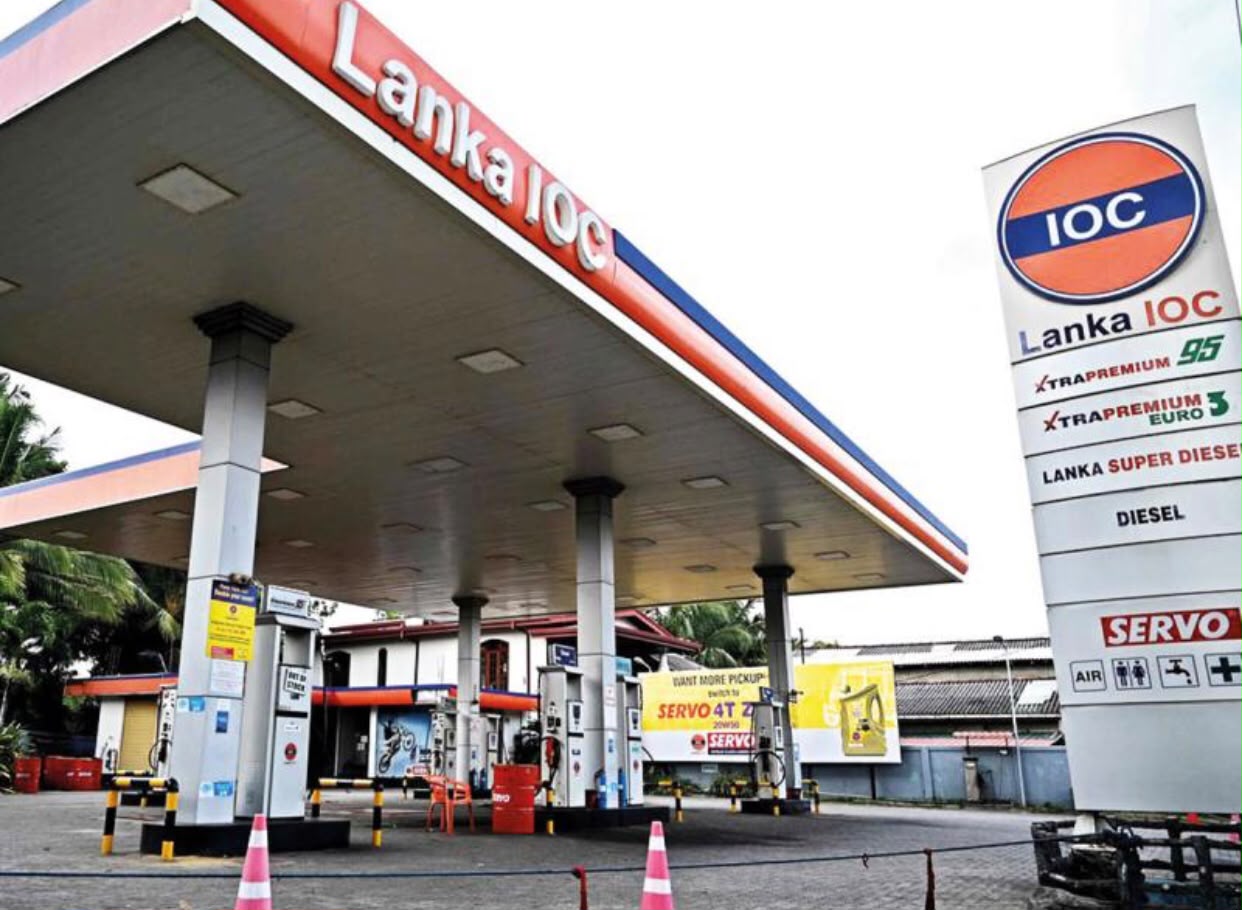
Sri Lanka has deliberately prevented the full international increase in fuel prices from reaching consumers, and the Central Bank says that has helped contain inflation. It probably has. But a subsidy does not make an expensive barrel of oil cheaper. It merely changes who pays for it, and when.
There is a wonderfully reassuring quality to the word subsidy. International oil prices rise sharply, the Government intervenes, the increase at the pump is restrained and the consumer is protected from the full impact. In the middle of a cost-of-living squeeze there are perfectly reasonable arguments for doing precisely that.
The Central Bank has now confirmed that the Government’s fuel subsidy has helped contain inflation during the Middle East energy shock. Together with the surcharge imposed on vehicle imports, the measures have reduced some of the inflationary pressure that would otherwise have appeared more directly in consumer prices.
Submit Your Press Release
Get your company news, announcements, launches, appointments and events in front of a wider audience.


That matters because fuel does not remain at the filling station. Diesel moves buses, lorries and machinery. Petrol moves cars, motorcycles and three-wheelers. Petroleum products enter industry, agriculture and distribution. Increase their prices sharply and the effect eventually appears in the cost of almost everything that has to be manufactured, transported or delivered.
There is therefore a perfectly respectable economic argument for cushioning a sudden external shock rather than allowing its entire impact to strike consumers immediately. Sri Lanka is emerging from several years in which real household incomes were severely damaged by inflation and taxation. Another violent increase in fuel prices would inevitably have reduced disposable income further.
The subsidy nevertheless creates an accounting question that cannot be wished away. If the international cost of petroleum is higher than the price being recovered domestically, somebody is absorbing the difference. It may be the Treasury, the Ceylon Petroleum Corporation or another part of the State, but eventually the cost belongs to the public finances.
The distinction is important because the consumer and the taxpayer are frequently the same person. A Government can prevent somebody paying another Rs 20 at the pump today, but if the resulting cost ultimately requires higher taxation, additional borrowing or reduced expenditure somewhere else, the economic burden has not disappeared. It has moved.
Sri Lanka has been here before. For decades administered prices were used to shield consumers from the real cost of electricity, fuel and other politically sensitive commodities. The resulting losses accumulated inside state enterprises until they eventually became obligations of the Government and, ultimately, the taxpayer.
That does not mean every subsidy is irresponsible. Governments everywhere intervene during exceptional circumstances, particularly when price shocks threaten vulnerable households or the wider economy. The more important questions are how large the subsidy is, how long it will continue and whether it is targeted towards those who actually require assistance.
A blanket fuel subsidy is inherently imprecise. The person driving a small motorcycle to work benefits from a lower fuel price, but so does the owner of a large luxury vehicle. The delivery van supporting a small business receives the benefit, but so does somebody consuming considerably more fuel simply because he can afford to.
Targeted assistance is administratively more difficult but economically more defensible. If the purpose is protecting lower-income households, public transport, fisheries, agriculture or other particularly exposed sectors, directing assistance towards them reduces the amount of public money required to subsidise everybody else.
There is another complication. A lower domestic fuel price can suppress measured inflation temporarily, which is useful when the Central Bank is trying to prevent inflation expectations from becoming entrenched. But if the subsidy is eventually withdrawn while international prices remain high, the delayed increase simply arrives later.
Sri Lanka therefore needs to distinguish between a bridge and a permanent road. A temporary subsidy carrying the economy across an exceptional energy shock can make sense. An indefinite subsidy that gradually becomes politically impossible to remove recreates precisely the pricing distortions the country spent the past several years trying to eliminate.
The Middle East crisis has confronted the Government with a genuine dilemma. Passing the full cost immediately to consumers risks worsening inflation and damaging household finances. Absorbing it indefinitely risks weakening public finances and transferring today’s petroleum bill into tomorrow’s taxes or debt.
The Government has chosen, for now, to absorb part of the shock. The Central Bank says that decision has helped restrain inflation, and that is significant.
But the oil producer has still been paid. The only unanswered question is who in Sri Lanka eventually pays instead.