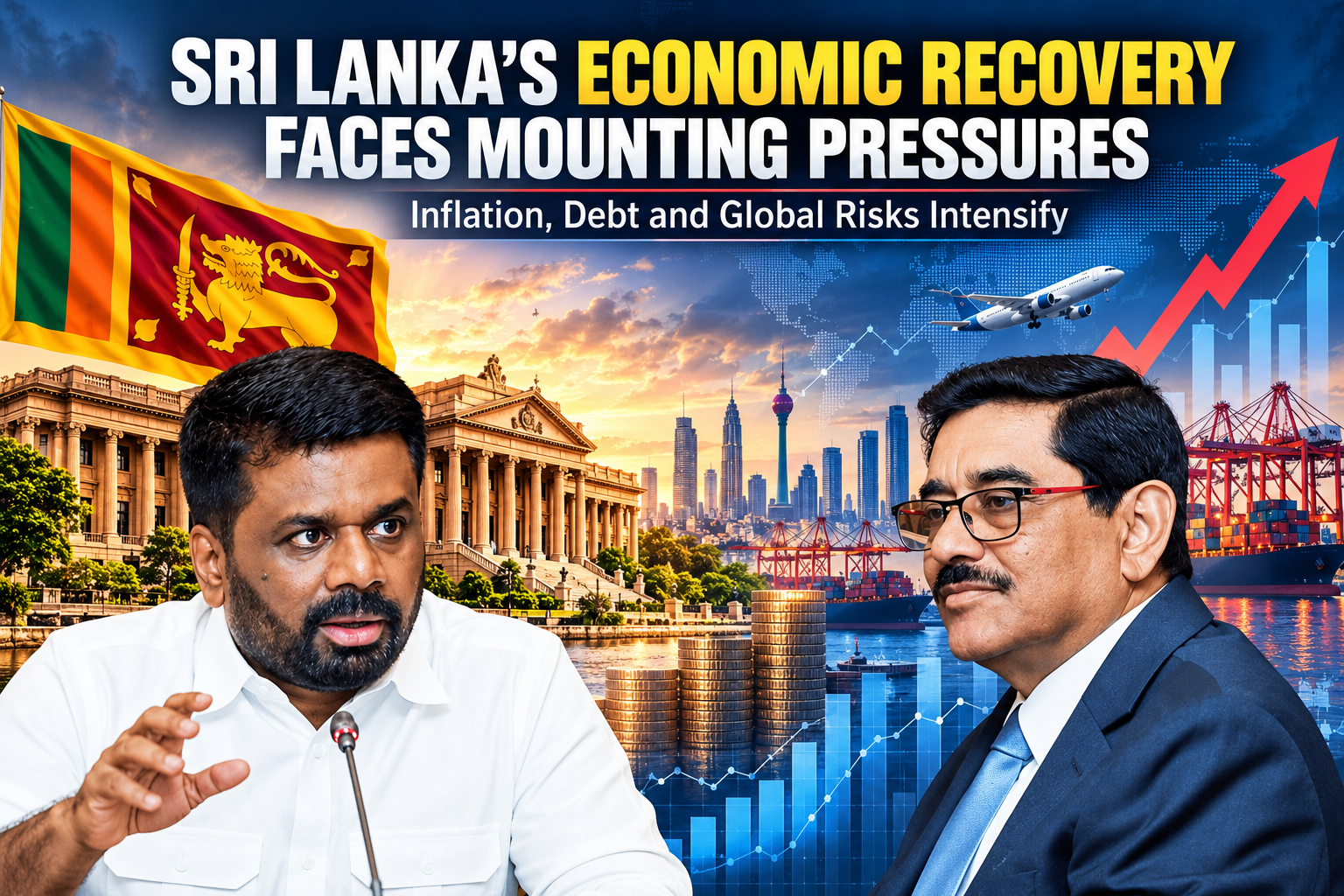
Colombo, October 2026 — Sri Lanka’s economic recovery is showing signs of progress, supported by stronger government revenue, rising workers’ remittances, expanding exports and an improved sovereign credit rating. However, persistent inflation, mounting public debt, weakening tourism earnings, pressure on foreign exchange reserves and escalating geopolitical risks continue to threaten the sustainability of the recovery.
September presented a mixed picture for the economy. While several headline indicators pointed towards greater stability following the country’s debt restructuring, underlying vulnerabilities remained significant. The central challenge for policymakers is increasingly shifting from stabilisation towards generating sustainable economic growth, strengthening external buffers and ensuring that the benefits of recovery reach households and businesses.
Sovereign Rating Upgrade Improves Investor Sentiment
One of the most significant developments during September was Fitch Ratings’ decision to upgrade Sri Lanka’s long-term foreign-currency issuer default rating from CCC+ to B−, with a stable outlook.
Submit Your Press Release
Get your company news, announcements, launches, appointments and events in front of a wider audience.


The upgrade reflected progress in fiscal consolidation, stronger government revenue, a declining debt-to-GDP ratio and reduced external financing risks. The rating agency also projected that official foreign exchange reserves could reach approximately US$7.7 billion by the end of 2026.
The improved rating represents an important milestone in Sri Lanka’s recovery from its sovereign debt crisis. It could strengthen investor confidence, improve access to financing and support the country’s eventual return to international capital markets.
Nevertheless, the upgrade does not eliminate the risk of renewed external financing difficulties. Sri Lanka continues to face substantial foreign currency obligations, limited immediately available reserves and exposure to international energy prices. Sustaining the improved credit outlook will depend on continued fiscal discipline, export growth and the accumulation of stronger external buffers.
The Colombo Stock Exchange responded positively to the improved sovereign rating, although the market remained volatile. The All Share Price Index fluctuated within the 21,000–21,600 range during September. The market’s response was accompanied by relatively modest turnover and continued foreign selling, suggesting that the immediate improvement in sentiment did not necessarily represent a broad-based return of international equity capital.
Cumulative foreign net outflows from the equity market had reached approximately US$166 million by the end of August, exceeding the outflows recorded throughout 2025.
IMF Programme Advances Amid Continuing Economic Risks
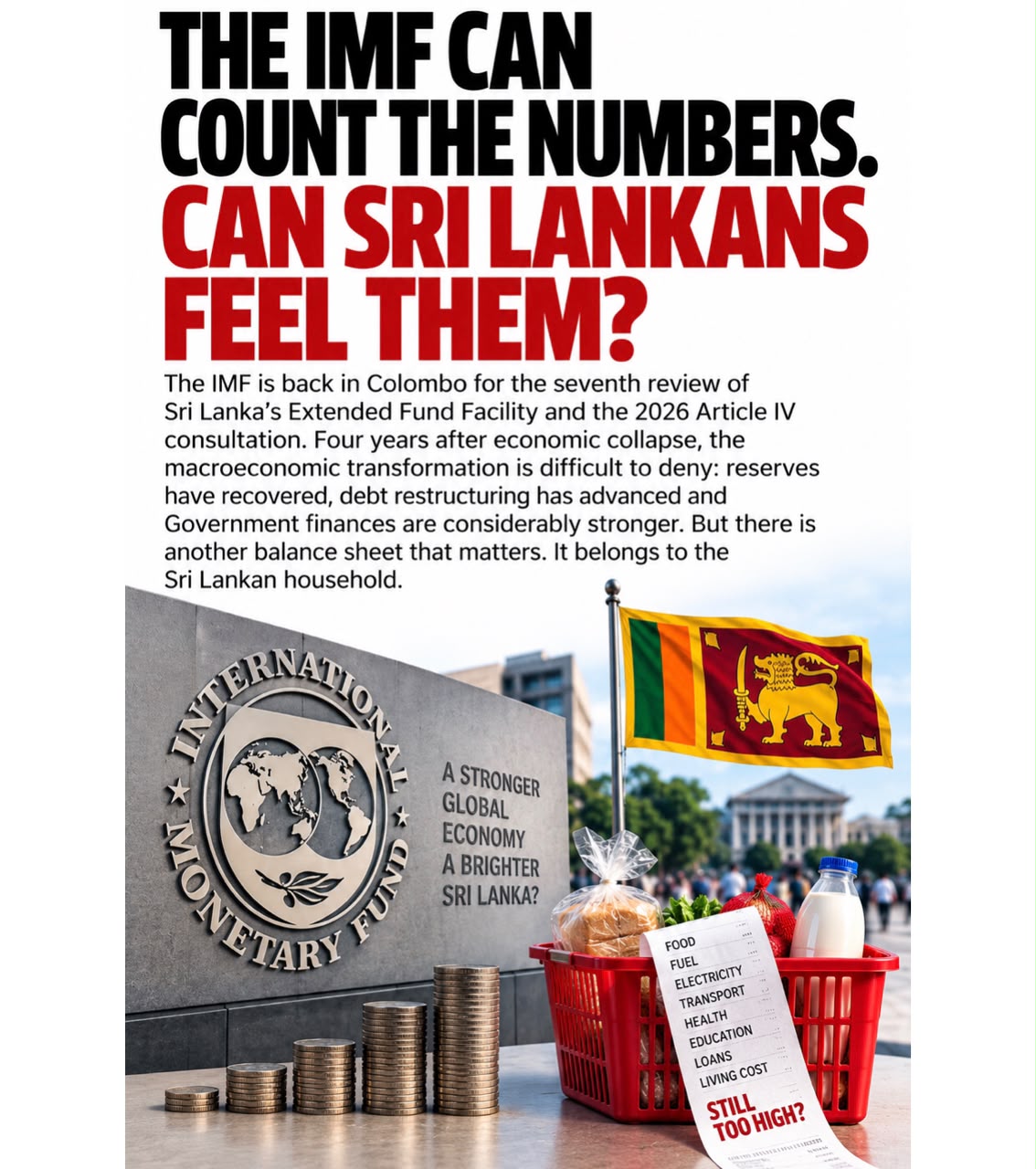
Sri Lanka continued discussions with the International Monetary Fund following the conclusion of the mission for the seventh review under the Extended Fund Facility and the 2026 Article IV consultation. However, a staff-level agreement had not yet been finalised.
The IMF acknowledged the economy’s resilience, citing year-on-year GDP growth of 4.2% in the second quarter of 2026 and gross official reserves of approximately US$6.9 billion at the end of August. Debt restructuring was also described as largely completed.
At the same time, the Fund highlighted risks arising from the Middle East conflict, uncertainty surrounding global trade policies, climate-related pressures, inflation and the need for stronger tax administration.
Energy cost recovery, exchange-rate flexibility and the rebuilding of fiscal and external buffers also remain important policy priorities.
The discussions underline the difficult transition facing Sri Lanka. The country has made progress in stabilising public finances and restoring economic confidence, but the next phase will require policies that support investment, productivity, employment and export competitiveness without undermining fiscal stability.
Inflation Returns as a Major Concern
Inflation remained one of the most immediate economic challenges during September.
National consumer price inflation, measured by the Colombo Consumer Price Index, stood at 8.0%, unchanged from August. Food inflation increased to 8.7%, while non-food inflation reached 7.7%. Core inflation, which excludes certain volatile components, accelerated to 5.4%.
The return of higher inflation represents a significant shift from the exceptionally low inflation experienced during 2024 and 2025.
Rising global energy prices, exchange-rate depreciation and domestic cost pressures are contributing to an increasingly challenging environment for households and businesses. The Central Bank of Sri Lanka is expected to remain focused on bringing inflation towards its 5% target while monitoring the effects of higher energy costs.
The Central Bank maintained its Overnight Policy Rate at 8.75% on 30 September, signalling continued caution amid inflationary pressures and uncertainty in international energy markets.
Treasury bill yields also remained elevated during September. By mid-month, yields stood at approximately 9.18% for 91-day bills, 9.36% for 182-day bills and 9.88% for 364-day bills.
Higher yields may attract investors to government securities, but they also increase the cost of government borrowing and can influence lending rates across the banking system.
For households, the persistence of high prices means that improvements in nominal economic indicators may not translate into equivalent gains in living standards. With the official poverty line at Rs.17,719 in August 2026, lower-income households remain particularly vulnerable to increases in food, transport and other essential expenses.
Government Revenue Improves, but Debt and Borrowing Remain High
Sri Lanka recorded a substantial improvement in government revenue during the first eight months of 2026.
Revenue reached approximately Rs.4 trillion, representing an increase of around 21% year-on-year. The primary fiscal surplus rose to approximately Rs.1.6 trillion, reflecting stronger revenue collection and continuing efforts to control expenditure.
However, the improvement in the primary balance has not removed the broader fiscal challenge.
Capital expenditure remained relatively low, at approximately 25% of the annual allocation, raising concerns about the pace of public investment in infrastructure and development. At the same time, the Government continues to rely heavily on domestic borrowing.
The proposed 2027 Budget framework envisages approximately Rs.9.92 trillion in total expenditure, including statutory expenditure, while the net government borrowing ceiling is set at Rs.3.8 trillion. The Appropriation Bill also provides for approximately Rs.4.99 trillion in service expenditure.
These figures highlight the difficulty of balancing debt sustainability with economic development and social protection.
Sri Lanka must continue generating primary surpluses while servicing restructured debt, investing in productive infrastructure and supporting vulnerable households. Excessive reliance on taxation and restrictions on public investment could constrain private-sector activity and weaken longer-term growth if not accompanied by improvements in spending efficiency and economic productivity.
The key question is whether the country can move beyond short-term fiscal adjustment towards a more sustainable public finance framework.

Foreign Exchange Reserves Require Closer Examination
Gross official foreign exchange reserves increased to approximately US$6.9 billion at the end of August, supported partly by substantial foreign currency purchases by the Central Bank.
The Central Bank purchased approximately US$579 million from the domestic market during August, taking cumulative purchases during January–August to more than US$1.48 billion.
These purchases demonstrate progress in rebuilding the headline reserve position. However, gross reserves should not be interpreted as equivalent to immediately available foreign currency.
The reported reserve stock includes short-term foreign currency obligations and swap-related liabilities that reduce the amount available for unrestricted use.
An indicative reconciliation of the end-August position places gross official reserves at US$6.929 billion. After deducting approximately US$2.333 billion in short-term foreign currency loans, US$3.575 billion in short-term swaps and other adjustments, estimated usable reserves fall to around US$1.019 billion.
The position could come under further pressure if foreign investors were to withdraw funds from domestic government securities. Foreign holdings of Treasury bonds were approximately Rs.210.7 billion on 4 September, equivalent to around US$641 million at the exchange rate used in the assessment.
Although these estimates depend on the treatment and timing of individual liabilities, they highlight an important distinction between gross reserves and the foreign currency available to meet immediate obligations.
The quality, liquidity and accessibility of reserves will therefore remain critical indicators of Sri Lanka’s external financial strength, particularly as larger external debt-service payments approach.
Rupee Depreciation Adds to External Debt Pressures
The Sri Lankan rupee closed September at approximately Rs.330.83 against the US dollar, compared with Rs.328.01 at the end of August. The currency had depreciated by approximately 6.3% against the dollar during 2026.
A gradual adjustment in the exchange rate may help absorb external economic pressures. However, depreciation increases the rupee value of foreign currency debt and raises the domestic cost of imported fuel, raw materials, machinery and other essential goods.
The impact is particularly important for the Government and businesses with significant dollar-denominated liabilities but limited foreign currency earnings.
Continued pressure on global energy prices could create additional demand for foreign currency and place further pressure on the exchange rate during the final quarter of the year.
Sri Lanka’s ability to maintain exchange-rate stability will depend partly on export earnings, remittance inflows, tourism receipts, foreign investment and the management of external debt obligations.
Remittances and Exports Provide Important Support
Workers’ remittances continued to provide one of the strongest sources of foreign exchange for the economy.
Inflows reached US$748.6 million in August, taking cumulative remittances for January–August to approximately US$6.13 billion, an increase of 19.8% compared with the corresponding period of 2025.
These inflows support household consumption, strengthen the external account and provide foreign currency to the domestic banking system.
Foreign employment remains an important contributor, with approximately 300,000 Sri Lankans reportedly leaving the country annually for overseas employment.
Exports also recorded moderate growth. Total exports reached approximately US$12.01 billion during January–August, representing a 4.26% increase year-on-year. Merchandise exports accounted for around US$9.41 billion, while services exports contributed approximately US$2.60 billion.
The growth of services exports and emerging sectors such as information and communication technology, electronics, food and beverages, and boat-building provides opportunities to diversify the country’s export base.
However, traditional export industries continue to face challenges. Tea export volumes were down by approximately 5%, while apparel remains exposed to weak external demand and changes in international trade policies.
Sri Lanka needs to accelerate export diversification, improve productivity and attract investment into higher-value industries if it is to generate the sustained foreign exchange earnings required to support long-term economic growth.
Tourism Faces a Spending Challenge
Tourist arrivals reached 158,557 in September, taking total arrivals for January–September to approximately 1.694 million.
September arrivals were marginally below the 158,971 recorded in the same month of 2025. The figures suggest that visitor numbers have yet to establish a consistently stronger growth trajectory.
More concerning is the performance of tourism earnings. August receipts amounted to approximately US$264 million, while cumulative earnings for January–August reached around US$2.1 billion, a decline of approximately 10% year-on-year.
The divergence between arrivals and earnings suggests that increasing visitor numbers have not translated into proportionately higher foreign exchange receipts.
Sri Lanka must therefore focus not only on attracting tourists but also on increasing average visitor spending, extending stays, improving the quality of tourism services and developing higher-value tourism products.
The expansion of outbound travel by Sri Lankan residents, including travel for education and medical treatment, also deserves greater attention because it represents a potential source of foreign exchange outflows.
Foreign Investment Remains Below Expectations
Foreign direct investment showed some improvement during the first half of 2026, with realised inflows estimated at approximately US$405 million to US$450 million.
However, the increase does not yet indicate a decisive breakthrough in new investment. Reinvestment by existing businesses remains an important component of the reported inflows, while the pipeline of major new projects is still developing.
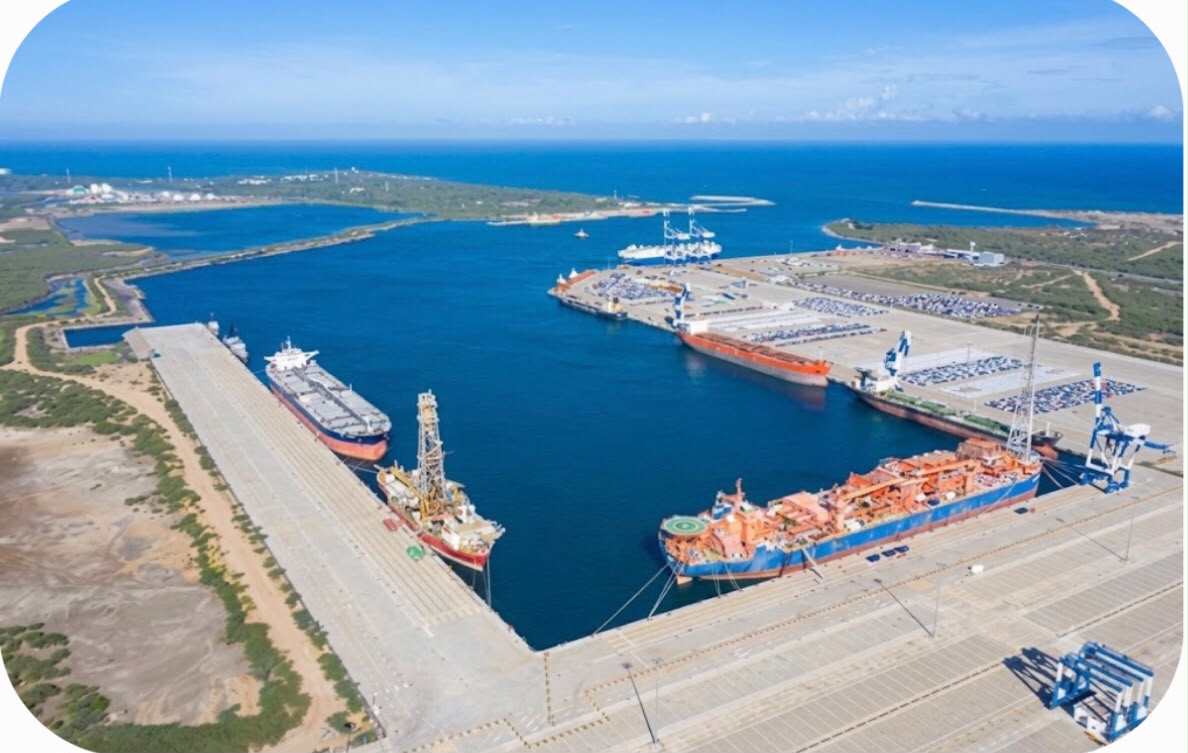
Potential investments in port logistics, manufacturing and other productive sectors could support future growth, but converting commitments into actual capital inflows will require improvements in the investment climate.
Investors are likely to remain sensitive to taxation, regulatory consistency, policy predictability, access to financing and the availability of reliable infrastructure.
For Sri Lanka, stronger foreign direct investment would help expand productive capacity, create employment, transfer technology and reduce excessive dependence on debt financing.
Global Energy Shock Threatens the Recovery
The continuing conflict in the Middle East emerged as a major risk to Sri Lanka’s economic outlook during September.
International oil prices remained above US$100 per barrel amid disruptions and uncertainty affecting energy infrastructure, shipping routes and regional supply chains.
The consequences extend beyond crude oil prices. Disruptions to refined petroleum products, liquefied natural gas, shipping, tanker insurance and port operations can affect the availability and cost of essential imports.
Sri Lanka is particularly exposed because of its dependence on imported energy.
The country’s fuel import expenditure increased by 61.6% to approximately US$4.07 billion during January–August 2026. A prolonged period of elevated energy prices could widen the trade deficit, increase transport and production costs and intensify inflationary pressures.
The effects could also weaken tourism, reduce household purchasing power and place additional pressure on the exchange rate.
Sri Lanka recorded GDP growth of 4.2% in the second quarter and 4.7% during the first half of 2026. Although these figures indicate a continuing recovery, growth in the final quarter could fall short of the Government’s 6% full-year aspiration if the energy shock persists.
Global Financial Conditions Become Less Favourable
International financial markets experienced considerable uncertainty towards the end of the third quarter.
US Treasury yields rose above 5%, while government bond yields in Japan and Europe reached multi-year highs. Concerns about persistent inflation and elevated energy prices also increased expectations that US monetary policy could remain restrictive for longer.
Higher international yields can raise the cost of capital for emerging markets and make investors more selective when allocating funds to countries with elevated sovereign risk.
Consequently, Sri Lanka’s improved credit rating alone may not be sufficient to ensure a rapid return to international capital markets. Global financing conditions, reserve adequacy, debt sustainability and investor confidence will continue to influence the timing and cost of external borrowing.
Meanwhile, continuing trade tensions between the United States and China are encouraging countries and businesses to reconsider supply chains and investment locations.
Sri Lanka could benefit from these changes by positioning itself as a competitive location for logistics, manufacturing and services. Realising those opportunities, however, will require a stable policy environment and stronger domestic competitiveness.
Government Securities Attract Foreign Investors
An important development during September was the increase in foreign holdings of Sri Lankan government securities.
Foreign holdings of rupee-denominated Treasury instruments rose to approximately Rs.213.4 billion by 10 September. Foreign investors recorded net inflows of around US$70.2 million into government securities during August, taking cumulative inflows for January–August to approximately US$208 million.
The trend contrasts with the continued foreign selling observed in the equity market.
The divergence suggests that international investors may be willing to take exposure to Sri Lanka’s sovereign debt while remaining cautious about listed equities.
The improved credit rating may have contributed to the change in sentiment, although relatively attractive domestic yields could also be influencing investment decisions.
While foreign inflows into government securities can support market liquidity and foreign exchange availability, these funds can be sensitive to changes in interest rates, exchange-rate expectations and global risk appetite.
A sudden reversal could create pressure on the exchange rate and reserve position, making the stability of these inflows an important consideration for policymakers.
Small Businesses and Farmers Face Continuing Pressure
Despite improvements in several macroeconomic indicators, business conditions remain difficult for many small and medium-sized enterprises.
Businesses continued to raise concerns about taxation, regulatory uncertainty, customs procedures, administrative delays and access to financing.
These constraints can limit investment, discourage formal business expansion and reduce the ability of smaller enterprises to benefit from the economic recovery.
Farmers also protested over the absence of a satisfactory guaranteed paddy price and rising production costs, including expenditure on fertiliser, seeds, machinery and labour.
The pressures facing these groups illustrate the gap between national economic stabilisation and conditions experienced by households and businesses.
Sustained recovery will require policies that improve the operating environment for productive enterprises, strengthen agricultural value chains and ensure that economic growth generates wider employment and income opportunities.
Constitutional Changes and Governance Concerns
September also witnessed significant political and institutional developments.
Parliament passed the 22nd Amendment to the Constitution on 25 September by 158 votes to 62, exceeding the required two-thirds majority. The accompanying Judicature Amendment was also passed.
The changes increased the retirement age of Supreme Court judges from 65 to 67 and that of Court of Appeal judges from 63 to 65, while also expanding the judicial establishment.
The Government has presented the measures as institutional strengthening, while critics have questioned their timing and potential implications for judicial independence.
The legislation has therefore added to the wider debate about institutional reform, constitutional governance and the independence of the judiciary.
Separately, a proposed Protection of the State from Terrorism Bill was gazetted to replace the Prevention of Terrorism Act. The proposed legislation has implications for national security, civil liberties, ethnic reconciliation and Sri Lanka’s international human-rights commitments. Concerns have been raised about whether certain powers in the proposed framework could continue to undermine fundamental rights.
These developments are important not only for the political environment but also for investor confidence, which depends partly on predictable institutions, transparent decision-making and the consistent application of the law.
Corruption Investigations and Organised Crime Raise Concerns
A series of corruption allegations and criminal investigations continued to attract attention during September.
Parliamentary scrutiny of the release of 323 containers from Colombo Port without mandatory physical inspection remained ongoing. The investigation has raised concerns about compliance with established procedures, potential revenue losses, national security and public safety. Allegations regarding the contents of the containers require careful investigation and should not be treated as established facts without supporting evidence.
Questions also continued over coal procurement and emergency purchasing arrangements. A special audit by the Auditor General identified approximately US$1.575 million in excess payments associated with coal transactions during 2015–2016. More recent procurement arrangements have faced allegations relating to supplier qualifications, pricing, product quality and supply delays.
Separately, investigations into an alleged US$2.5 million Treasury fraud continued, with attention focused on the processing of payments against emailed invoices and the examination of electronic records.
In the political sphere, the arrest and remanding of Namal Rajapaksa in connection with an alleged Rs.100 million payment linked to the SriLankan Airlines Airbus procurement affair renewed debate over accountability and the independence of investigations. Former President Gotabaya Rajapaksa was also questioned in September in connection with the MiG-27 matter.
These cases remain subject to the relevant investigative and judicial processes. Their broader significance lies in the need for credible enforcement, transparent public procurement and consistent accountability regardless of political affiliation.
Meanwhile, suspected organised-crime-related shootings continued to raise security concerns. Police figures indicated 34 suspected underworld-linked shootings during 2026 by early September, resulting in 17 deaths and 18 injuries.
The expansion of organised criminal networks can threaten public safety, weaken confidence in law enforcement and create risks for legitimate businesses and institutions.
Global Gold Prices Correct After a Strong Rally
International gold prices fell by approximately 6.6% during September, with spot gold ending the month at around US$4,153 per ounce.
The decline followed a strong rally earlier in 2026 and reflected rising US Treasury yields and expectations of tighter monetary policy.
Despite the correction, geopolitical uncertainty, central-bank diversification and concerns about global fiscal sustainability could continue to support demand for gold over the coming months.
For investors, the price movement illustrates the interaction between safe-haven demand and interest-rate expectations in determining the performance of precious metals.
Outlook: Recovery Must Translate into Sustainable Growth
Sri Lanka enters the final quarter of 2026 with a combination of encouraging economic progress and persistent structural weaknesses.
GDP growth of 4.7% during the first half, remittances of approximately US$6.13 billion, exports exceeding US$12 billion, improved government revenue and a higher sovereign credit rating provide evidence that the economy has moved beyond the most severe phase of its crisis.
However, these gains remain vulnerable to inflation, exchange-rate depreciation, high energy import costs, substantial borrowing requirements and uncertainty in international financial markets.
The weakness of tourism earnings, limited genuinely new foreign investment and continued foreign selling in equities also indicate that investor confidence remains uneven.
The most important concern is the quality of the recovery. Higher tax revenue and stronger headline reserves are positive developments, but they do not automatically translate into greater household purchasing power, stronger productive investment or improved capacity to meet future foreign currency obligations.
The distinction between gross and usable reserves will be particularly important as external debt-service requirements increase. Likewise, fiscal consolidation must be accompanied by more productive public spending, stronger private investment and export diversification.
Over the coming months, policymakers will need to balance inflation control with growth, maintain fiscal discipline while protecting essential services, strengthen external buffers and improve the conditions for domestic and foreign investment.
Sri Lanka’s economic recovery has gained credibility, but its durability will depend on whether the country can convert macroeconomic stabilisation into higher productivity, stronger foreign exchange earnings, sustainable public finances and tangible improvements in living standards