Sri Lanka needs foreign investment. After bankruptcy, depleted reserves and years of weak public finances, pretending otherwise would be economic fantasy.
The more important question is whether the country sufficiently understands the difference between attracting capital and surrendering long-term control over strategic assets.
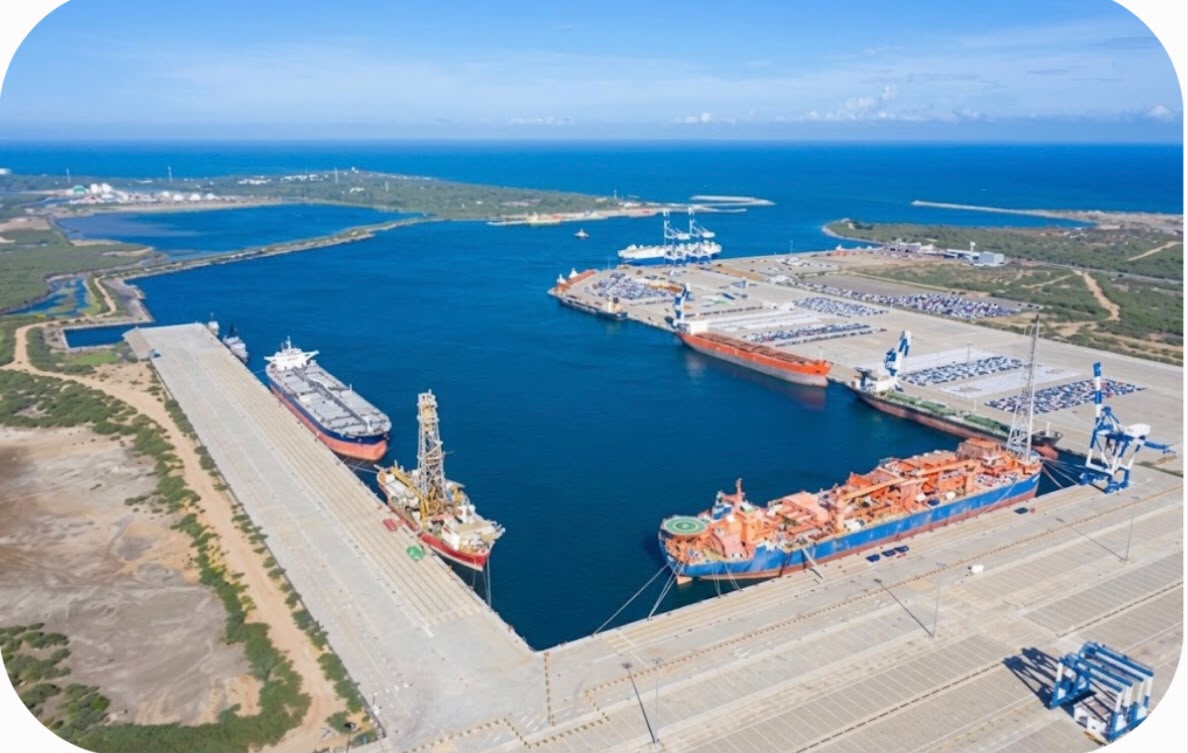
Hambantota Port operates under a 99-year lease involving China Merchants Port Holdings. At Colombo Port City, marketable land is similarly made available to developers on 99-year leases, while CHEC Port City Colombo holds leasehold rights over 116 hectares. These may be lawful commercial arrangements, but their duration means decisions taken by one generation will bind several that follow.
Submit Your Press Release
Get your company news, announcements, launches, appointments and events in front of a wider audience.


India’s role is also expanding. Indian interests are present in Colombo’s container-terminal development, petroleum infrastructure and the emerging strategic contest surrounding Trincomalee. China, India and other external powers are not investing out of charity.
Each has commercial and geopolitical objectives.
That does not make foreign participation inherently improper. The danger lies in agreements negotiated without adequate public disclosure, parliamentary scrutiny or a clearly stated national policy identifying which assets may be leased, which may be jointly operated and which must remain under effective Sri Lankan control.
Ownership itself can also mislead. An asset may legally remain with the State while its pricing, operation, technology or commercial direction rests elsewhere.
Sri Lanka must therefore publish a transparent register of major concessions, leases, public-private partnerships and strategic foreign investments.
The public is entitled to know who owns what, who controls what, for how long and on whose terms.
Be that as it may, sovereignty is not protected by slogans. It is protected by contracts the country can defend and citizens are permitted to examine.