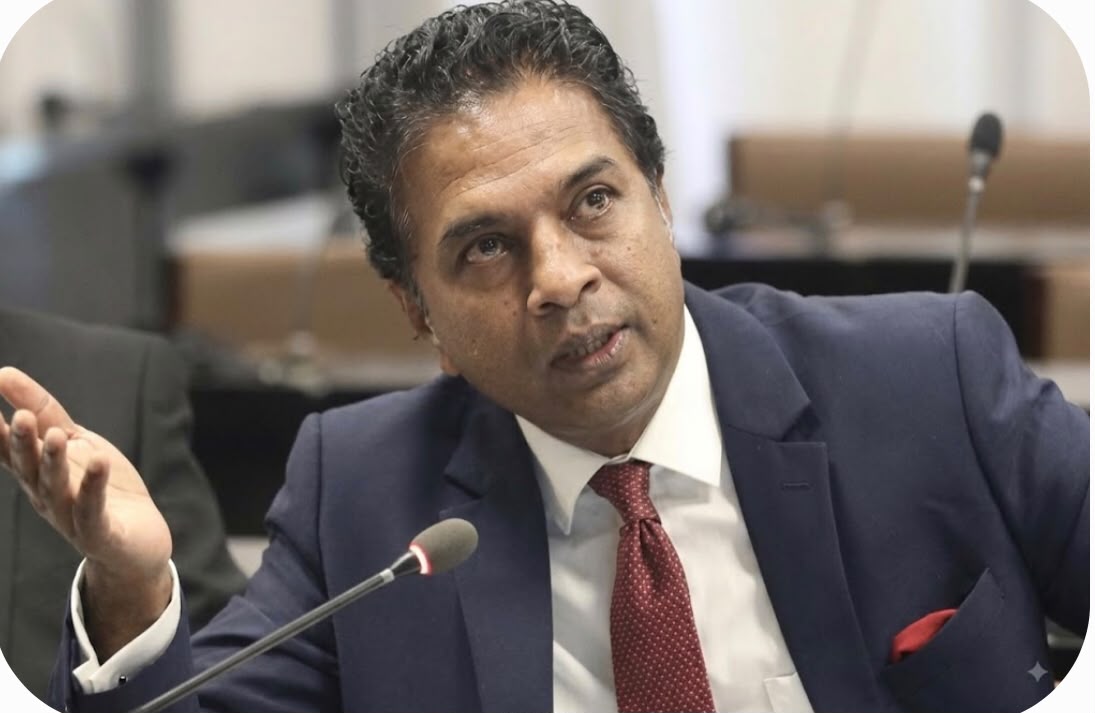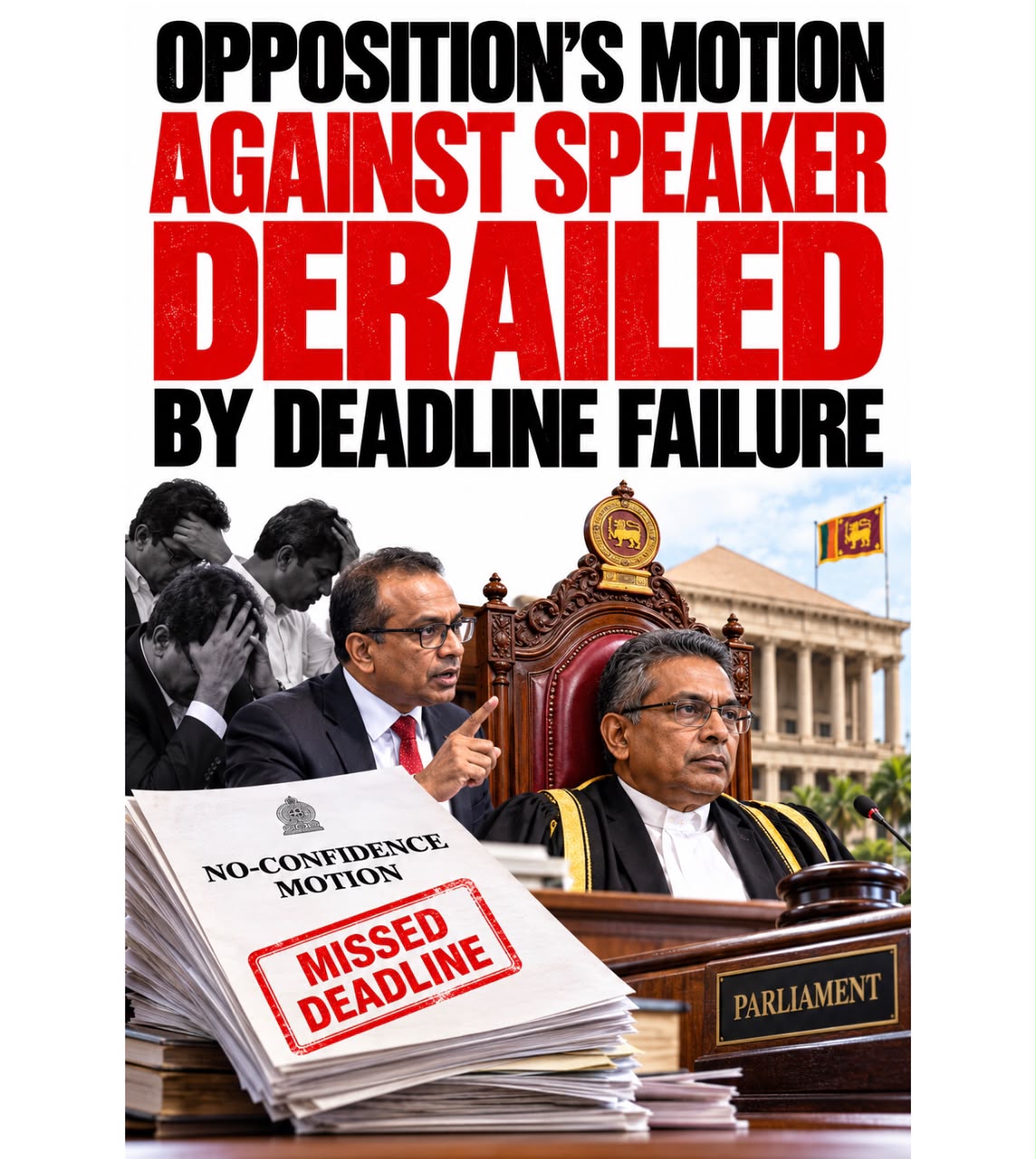
The November 3 debate on the no-confidence motion against Speaker Dr. Jagath Wickramaratne has been canceled, replaced by a harmless adjournment discussion. Leader of the House Bimal Rathnayake pointed to a basic Opposition blunder: failing to amend the text to meet procedural rules and missing the October 28 resubmission deadline. But while the Opposition’s paperwork fumble gave the government an easy exit, the saga exposes a deeper, mutual dysfunctions in how the House is run.
For the Opposition, led by the Samagi Jana Balawegaya, the motion was born out of genuine, lingering frustration with how Wickramaratne handles the chair. Opposition benchers routinely complain of choked microphones, truncated speaking allocations during critical debates, and a partisan heavy-handedness that prioritizes government business at the expense of parliamentary oversight. But when given the chance to force an accountable floor debate, their execution faltered. Submitting a draft loaded with sub judice flaws, followed by a missed deadline, proved that grandstanding at press briefings still outpaces basic legislative discipline. And in politics, strategy doesn’t go far if you do not read the fine print.
The ruling administration, however, is far from a passive bystander. Government business leaders were quick to use legal vetting by the Attorney General as a stalling tactic, leveraging every bureaucratic friction point available to delay the floor fight. By strictly enforcing the October 28 cutoff rather than allowing a short extension for a corrected filing, the government effectively used the rulebook to shield the Speaker from uncomfortable public scrutiny just before the 2027 Budget cycle begins.
Submit Your Press Release
Get your company news, announcements, launches, appointments and events in front of a wider audience.


This mutual reliance on technicalities over substance does little for the credibility of Parliament. The Opposition looks inept for failing to submit a clean draft on time, while the government looks eager to dodge a substantive debate on how the Speaker conducts House business.
Speaker Wickramaratne remains comfortably in his chair, untouched by formal censure. But floor proceedings will continue to look less like high-stakes legislative oversight and more like a badly managed debate club, unless it is made clear that standing orders aren’t being weaponized with cynicism by whoever holds power.