
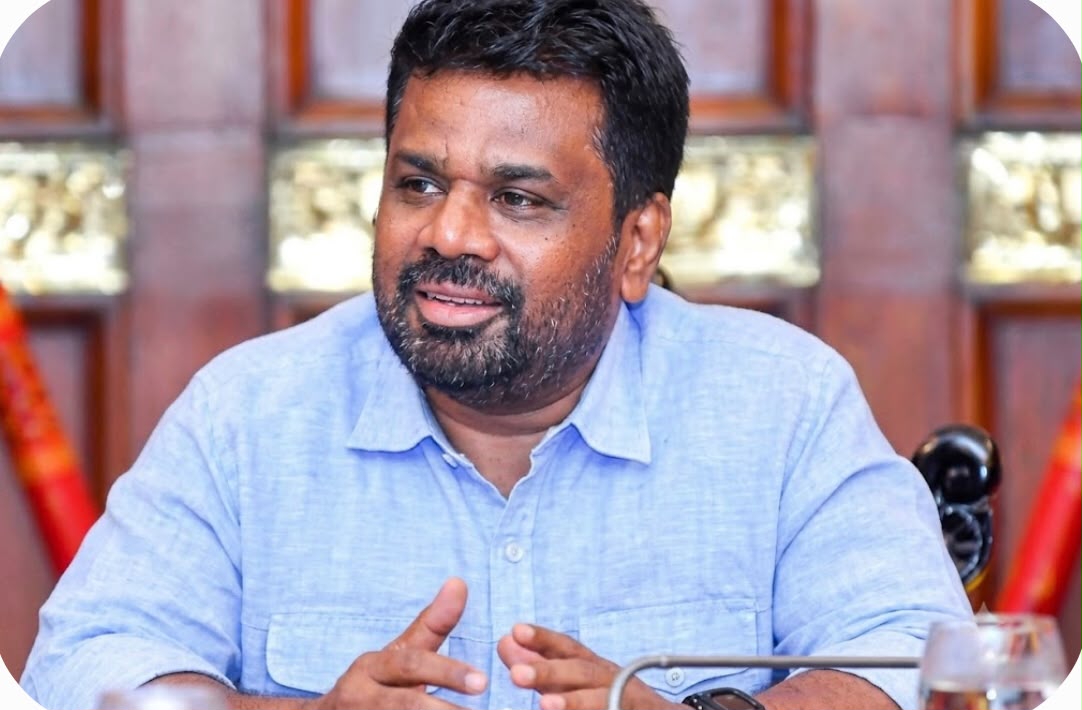
“President Anura Kumara Dissanayake has thrown his weight behind the most ambitious attempt in years to reform the governance of Sri Lanka Cricket, signalling that restoring credibility to the country’s most cherished sporting institution is now being viewed as a matter of national importance.”
Sri Lanka’s long-troubled cricket administration appears set for its most significant transformation in decades after President Anura Kumara Dissanayake met members of the Cricket Transformation Committee and reaffirmed the Government’s commitment to comprehensive reform of the sport’s governance.
The committee has submitted a draft constitution aimed at fundamentally reshaping the administration of Sri Lanka Cricket.
The proposed reforms seek to strengthen governance, improve accountability, modernise administration and restore public confidence in an institution that has repeatedly found itself at the centre of controversy.
While successive governments have spoken of reforming cricket administration, few have ventured beyond political rhetoric. The President’s direct engagement with the process suggests the current administration intends to treat the issue as one of national governance rather than merely sporting administration.
Cricket occupies a unique place in Sri Lankan society. It remains the country’s most recognised international sporting brand, generates substantial commercial activity and serves as one of the nation’s most visible ambassadors abroad. When governance within the game comes under question, the consequences extend well beyond the boundary rope.
The proposed reforms follow several years marked by allegations of administrative failures, disputes over governance structures, concerns regarding transparency and questions surrounding the integrity of competitions. Those controversies have gradually eroded public confidence while placing Sri Lanka Cricket under increasing international scrutiny.
Supporters of reform argue that stronger governance is now indispensable. They contend that sporting excellence can only be sustained where administration is transparent, financially accountable and insulated from unnecessary political or commercial influence.
Critics, meanwhile, caution that constitutional reform alone will not guarantee better administration. They argue that meaningful change will depend on the calibre, independence and integrity of those entrusted with implementing the new framework.
The President’s intervention nevertheless sends a powerful signal that the Government regards cricket not merely as a sporting pastime but as an institution whose credibility carries national importance.
Restoring confidence in Sri Lanka Cricket has implications for sponsors, international partners, supporters and, above all, the thousands of young cricketers who aspire to represent their country.
Whether this latest initiative succeeds where previous attempts have faltered will depend not simply upon constitutional amendments but upon a sustained commitment to transparency, accountability and professional administration.
For many Sri Lankans, this may represent the best opportunity in a generation to place the governance of their national game on a firmer and more credible foundation.


