CBSL calls for blockchain technology developers
By Miquelaa Fernando
The word ‘blockchain’ probably brings to mind that time you thought of researching on Cryptocurrency and then let it go as the technical jargon gave you a mental block instead.However, our paradise island seems to be taking a technological leap, with the Central Bank of Sri Lanka calling for blockchain developers to come forward in order to create a “Know-Your-Customer” (KYC) platform. This does seem at odds with the many previous warnings from the CBSL against the dangers of cryptocurrency and even the banning of Bitcoin just last year. The answer lies in the fact that the CBSL has decided not to throw the “baby out with the bathwater.”
What is Blockchain?
Blockchain, is the ingenious foundation that the entire cryptocurrency universe is built on. In the vast vacuum of digital space, blockchains are glowing blocks of records linked by chains of crytography. Each block can only have one owner and be accessed by an encrypted key known by the owner. Often described as “digital ledger”, this technology allows for information to be distributed but not duplicated. Information is constantly reconciled and is immediately updated and verifiable.
How does this apply to KYC?
Anyone who has tried to apply for a credit card or a loan knows the tedious KYC process that is currently undertaken to verify identification.
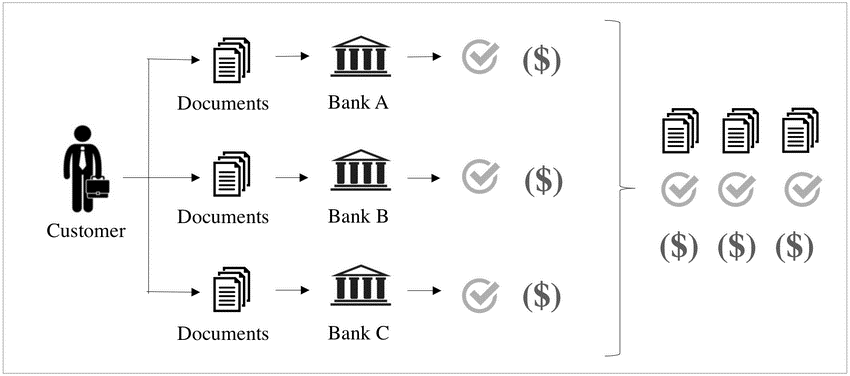
This process will have to be repeated several times, such as if you take a loan from several different banks. The time and money spent is enormous. Moreover, you have no control of all this personal information once it leaves your hands and it can be used for dubious means, such as money laundering and fraud. In addition, this data is often stored in a centralized system that is prone to the risk of hackers.
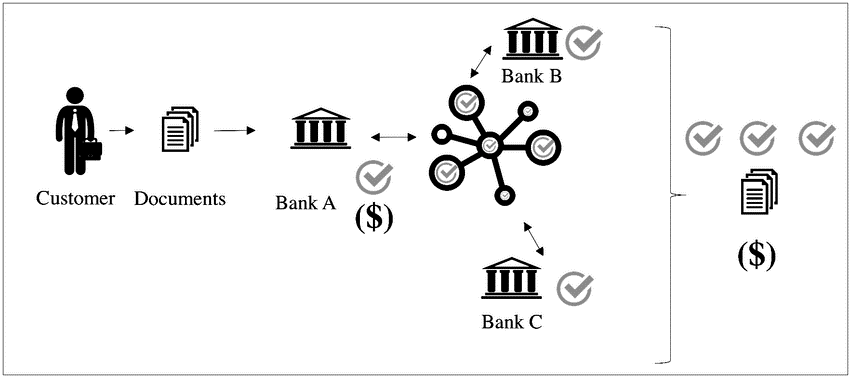
Blockchain technology, can in fact solve all these issues and more. Once information is entered into this “digital ledger” it can be accessed by multiple institutions (with prior permission of course), saving money and valuable time, as the user will only have to go through the KYC process once. Blockchain also records all transactions and modifications, making it harder to get away with fraud and money-laundering. The decentralized distribution system ensures that the information is stored on several servers, making it harder for hackers to intercept data.
What does this mean for Sri Lanka?
Blockchain technology seems to solve many problems facing the banking industry and other institutions, mainly the ever present issue of money laundering and fraud. Many countries such as Singapore have already successfully tested this technology with renowned companies such as IBM. It will however be a steep learning curve for many Sri Lankans, especially in rural communities, that will have to understand the concept and be convinced they are not being elaborately scammed. There is also the issue of finding the right developer for the blockchain platform to ensure authenticity and confidence. With the deadline set by the CBSL for the 31st of December for developers, this small step for the Central Bank of Sri Lanka may in fact be a giant leap for Sri Lanka as a whole, in the right direction.