Cabinet accelerates pharmaceutical policy – affordability and quality placed at centre of five-year plan
Cabinet has approved the expedited implementation of Sri Lanka’s National Pharmaceutical Policy for 2026–2030, promising safer, better-quality and more affordable essential medicines.
The updated policy has been developed against a difficult background: disruptions in international supply chains, dependence on imported pharmaceuticals, pressure on public-health expenditure and repeated concerns over the quality and procurement of medicines.
Submit Your Press Release
Get your company news, announcements, launches, appointments and events in front of a wider audience.


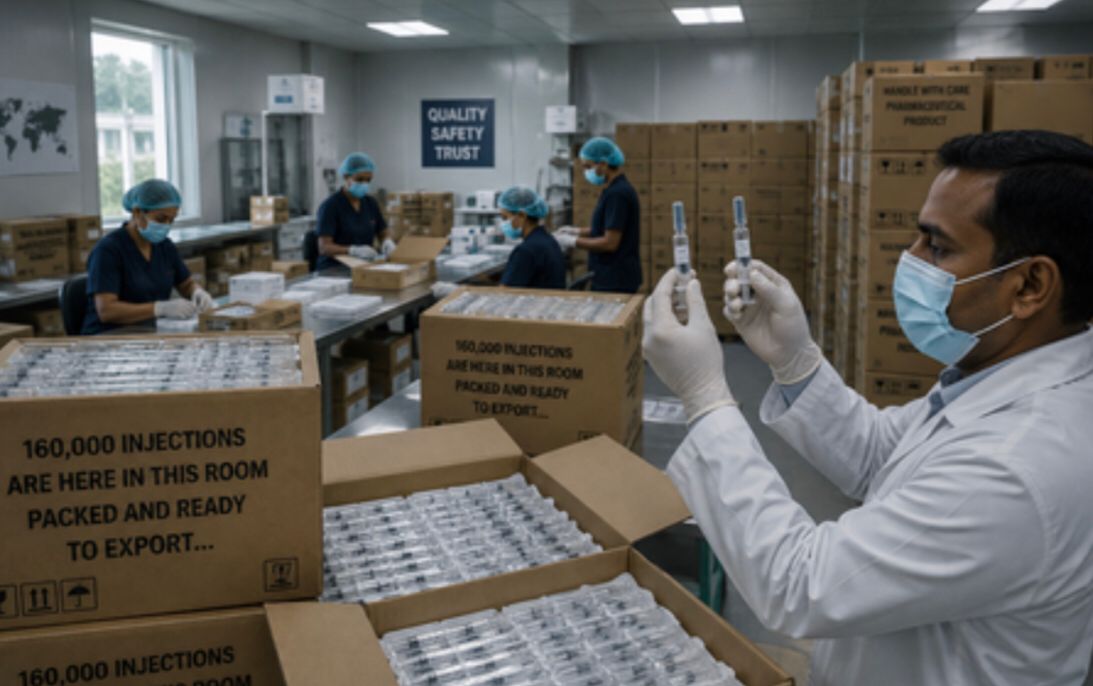
Work to update the national policy introduced in 2005 had been undertaken between 2020 and 2025 but was not completed. Cabinet has now approved a proposal by the Health and Mass Media Minister to prioritise implementation of the new framework. Its objectives include equitable access to medicines meeting internationally recognised standards, scientifically sound prescribing, reduction of waste and increased local manufacture of essential medical products.
All of that is welcome. But Sri Lanka’s difficulty has rarely been a shortage of elegantly written policies. The failure usually occurs somewhere between approval and execution.
The new framework must therefore be accompanied by measurable deadlines, transparent procurement, independent quality testing, disclosure of supply contracts and an accountable system for dealing with shortages. Local production should be encouraged, but not protected at the expense of safety, quality or competitive pricing.
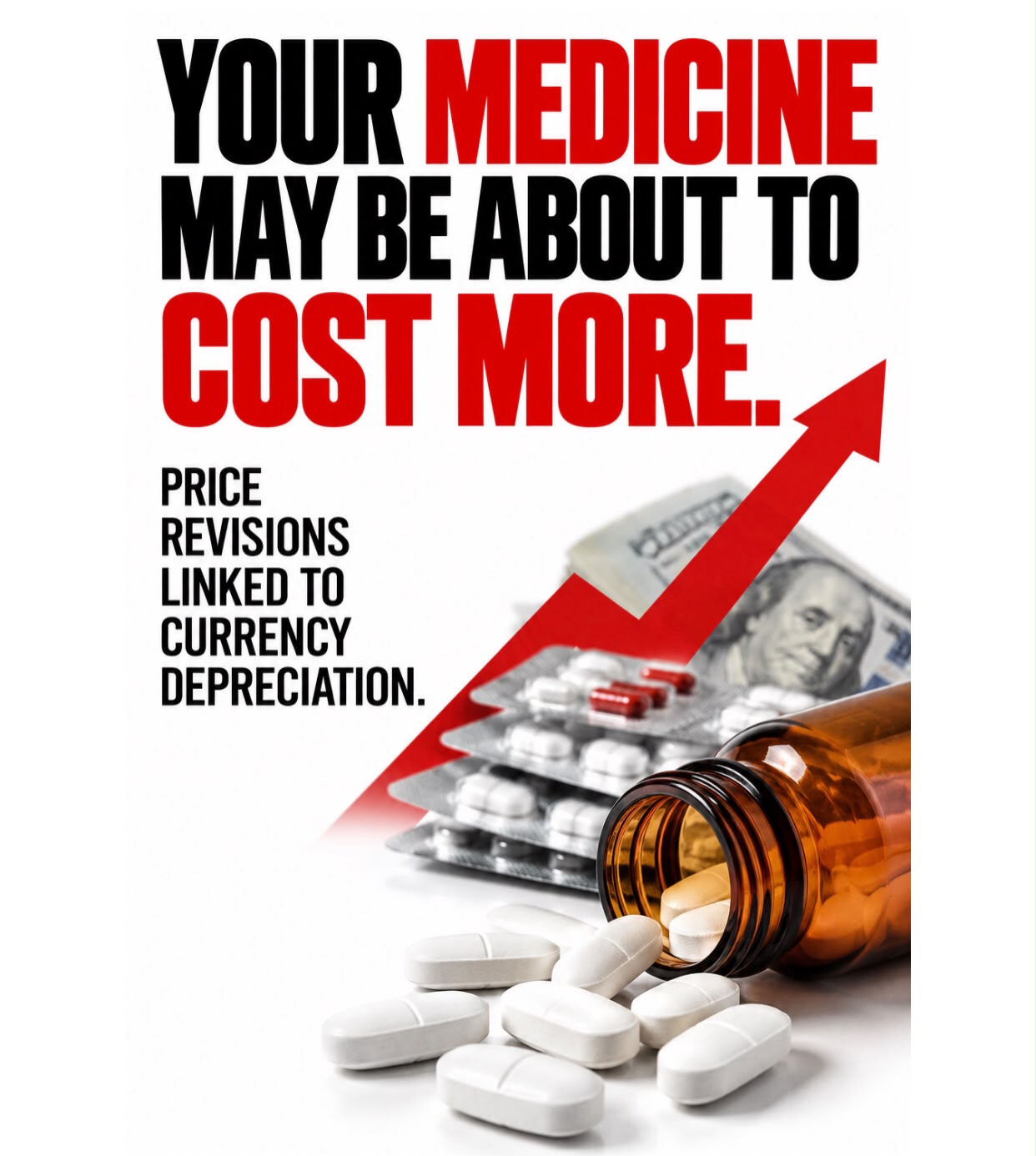
Patients do not experience pharmaceutical policy as a Cabinet document. They experience it at the hospital counter when a medicine is unavailable, at the pharmacy when its price is unaffordable-or in the worst circumstances, when its quality is uncertain.
The policy’s success will be judged there, not at its launch.