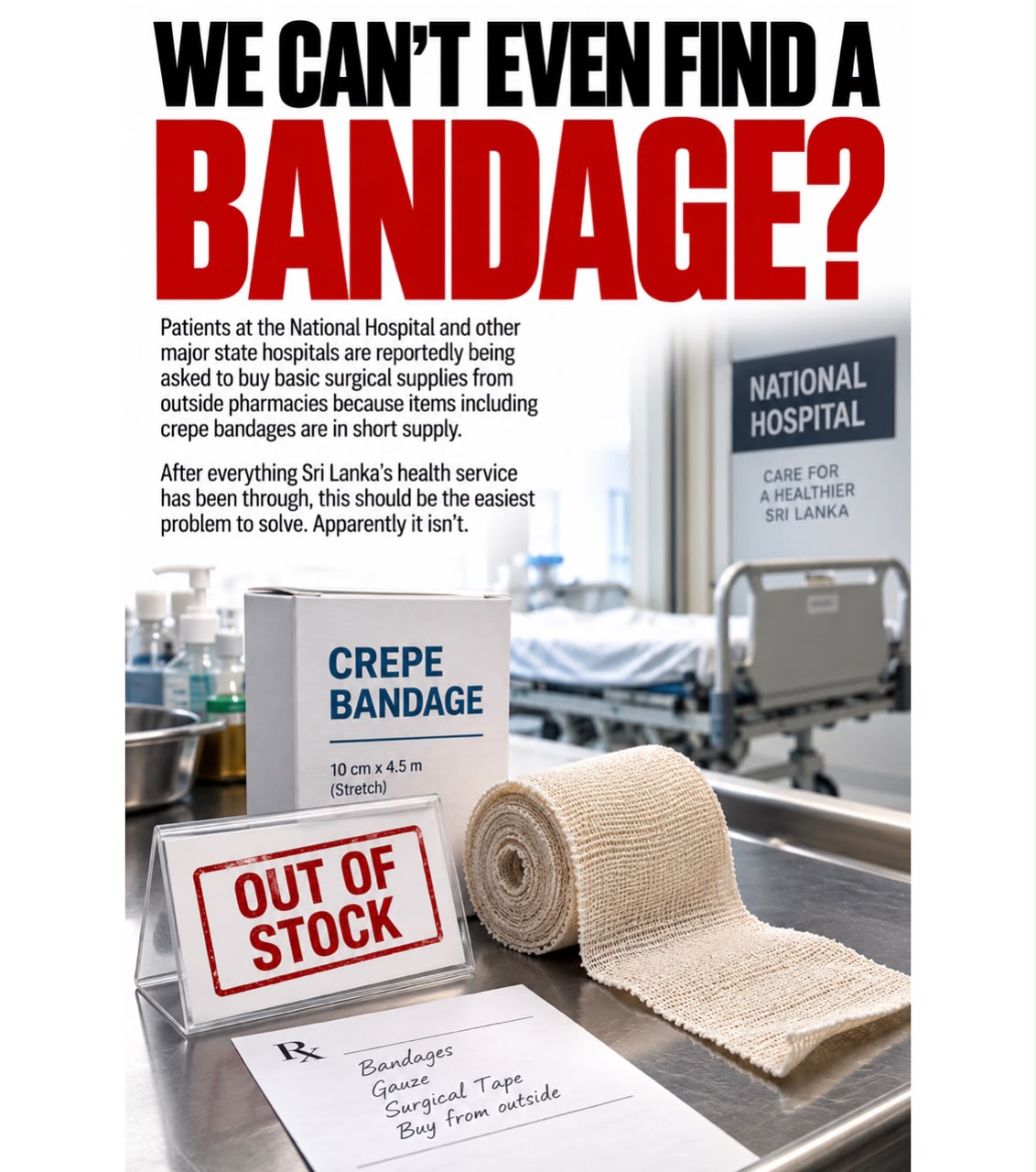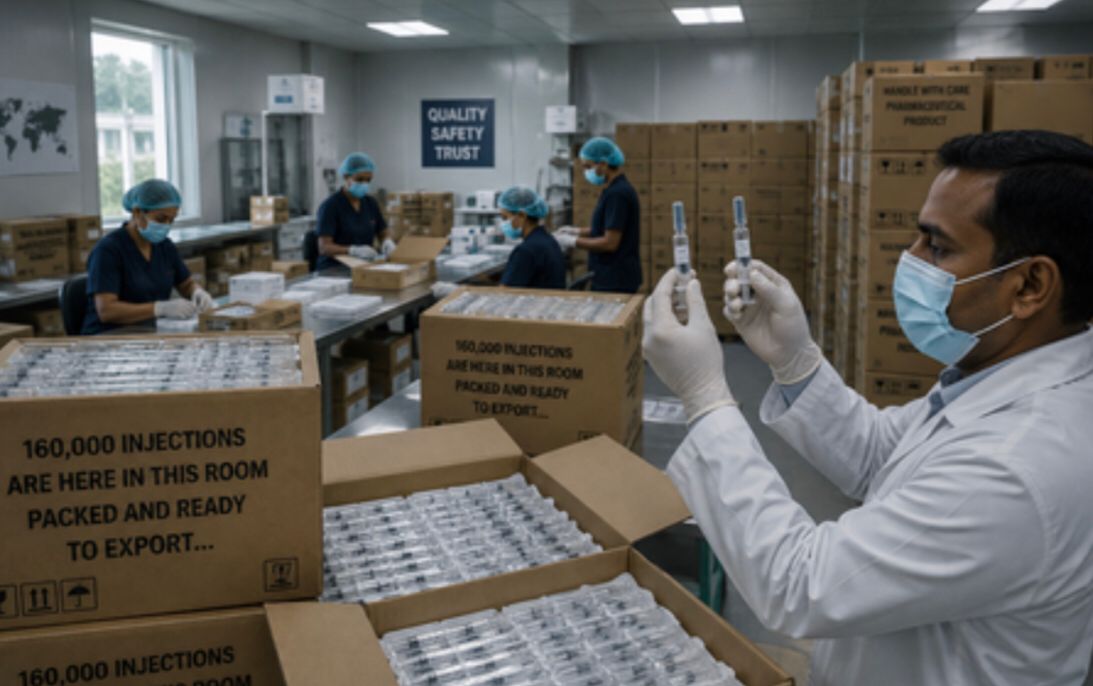
The Filgrastim consignment remains caught in quarantine over labelling deficiencies while cancer patients face shortages. But NewsLine has examined the purchase contract – and it appears to contain a mechanism specifically allowing penalties for labelling errors.
The controversy surrounding approximately 160,000 vials of Filgrastim presently held from distribution has taken a significant turn following NewsLine’s examination of the contractual provisions governing the supply.
The injections are already in Sri Lanka. Cancer patients need them. Hospitals are facing shortages. Yet the consignment which arrived on July 28 remains unavailable for routine distribution because of deficiencies associated with its labelling.
Submit Your Press Release
Get your company news, announcements, launches, appointments and events in front of a wider audience.


Health Minister Dr Nalinda Jayatissa has publicly addressed the problem and explained that the stock cannot presently be released because of the regulatory issue.
NewsLine’s scrutiny of the procurement documentation, however, raises an important question about whether the Medical Supplies Division already possesses a contractual mechanism for dealing with precisely such a problem.
The purchase contract contains provisions under which penalties may be imposed for specified shortcomings associated with supplied medicines. Among the matters expressly contemplated are deficiencies involving labelling.
That does not automatically mean that the entire consignment can simply be released tomorrow morning. Regulatory requirements governing medicines exist for good reason and patient safety cannot be compromised merely because the country faces a shortage.
But it does mean that another question now requires an answer.
If the defect affecting this consignment is one contemplated by the contract, and if the contract provides for a financial penalty to be imposed in such circumstances, why cannot that mechanism be used to resolve the present impasse, subject to the necessary assurance that the medicine itself is safe and conforms to the required specifications?
The distinction is crucial.
There would be an entirely different public-health problem if the medicine had failed tests concerning its composition, sterility, potency or safety. A defective medicine cannot be made safe by imposing a fine on its supplier.
A labelling deficiency is different if the underlying medicine is otherwise compliant and the discrepancy can lawfully be corrected or dealt with under the procurement agreement.
That is why the precise nature of the defect matters.
NewsLine is therefore not arguing that officials should ignore the regulations. We are asking whether the regulations and the contract already provide a lawful route through them.
The numbers make the question particularly urgent.
Sri Lanka requires approximately 27,500 vials of Filgrastim each month, with Apeksha Hospital in Maharagama alone accounting for around 9,000 vials. A consignment of 160,000 vials therefore represents several months of national requirements.
Filgrastim is used to stimulate the production of white blood cells and is particularly important for patients whose immune systems have been weakened by chemotherapy and other treatment.
For those patients, this is not an argument about procurement paperwork conducted somewhere inside the bureaucracy. It is about whether the medicine prescribed by their doctors is available when they need it.
Kanthi, the 67-year-old cancer patient whose circumstances NewsLine highlighted yesterday, represents the human reality behind those numbers. She must travel more than 200 kilometres from Southern Sri Lanka to Apeksha Cancer Hospital in Maharagama for treatment.
There will be many more Kanthis.
That is why the contractual provision now deserves an immediate and transparent response from the Medical Supplies Division and the Ministry of Health.
Officials should explain precisely what is wrong with the labelling, whether the medicine itself has satisfied the necessary quality and safety requirements, whether the contractual penalty provision applies to the deficiency identified and, if it does, what prevents the Government from invoking it.
The Minister should also be told clearly what options are available under the contract.
Ministers are entitled to rely on the technical advice of their officials. But when a shortage affects medicines required by cancer patients, every lawful option contained in the very agreement under which those medicines were purchased ought to be placed before the Minister.
If the contract cannot be used to release the stock, the authorities should say why. There may be a perfectly legitimate regulatory reason.
A notable feature is that there is a precedent for this sort of supply – the sort that has issues with labelling forr instance. There is a clause in the purchase contract to address such issues. The purchaser is not a naïve purchaser doing this for the first time – in as much as the supplier and the manufacturer are not new boys on the block.
It strikes NewsLine that the real issue is that the three departments involved are all protecting their turf and in effect standing on ceremony. In the meantime Sri Lankan citizens afflicted with cancer have their chances of survival heightened.
It leaves a certain distate – that the State is uncaring. The question then leads to a very potent one. Is the NMRA the SPC and the MSD playing “pandu” with the government? Are they – heaven forbid – engineering discontent and unhappiness by being inflexible and pedantic in their outlook?
If the medication can be used, however, every additional day of delay becomes considerably more difficult to explain.
This should not become a contest between patient safety and patient access. A functioning medicines regulatory and procurement system must be capable of protecting both.
The objective must remain straightforward: establish that the medicine is safe, comply with the law, impose whatever contractual penalty is warranted and, if the legal requirements permit it, get the injections to the hospitals that need them.
Sri Lanka voted for this government in a marked effort to change personality politics – it really is hoped that whoever is not trying to cause discomfort to the elected representatives of the people – including the likes of ‘Kanthi’ who may well have voted at the last general elections.
Be that as it may, 160,000 vials sitting in quarantine cannot treat a single patient. If the contract itself provides a lawful way through the problem, somebody needs to explain why that door remains closed.