As the clock struck midnight and turned the page to today, motorists pulling up to Ceylon Petroleum Corporation sheds across the island watched the numbers on the pump ticking upwards yet again. Octane 92 petrol moved up by LKR 10 to LKR 424 per litre, Octane 95 climbed by LKR 15 to LKR 490, Auto Diesel ticked up by LKR 5 to LKR 397, and Super Diesel took a LKR 15 hit, reaching LKR 543.
For citizens who have spent over half a century chronicling the economic cycles of this country, today’s revision brings about a familiar, yet sobering reality. It is a stark reminder that despite all the press conferences and assurances of recovery, Sri Lanka continues to walk a tightrope over an abyss, completely lacking the fiscal cushions to absorb even the mildest external shock.
Look at the sequence of events that brought us to this price hike. Over the past four weeks, global crude markets faced predictable instability as geopolitical frictions stirred shipping channels across the Middle East and OPEC production tweaks tightened global supply. In any mature economy with proper treasury management, a nation buffers its citizens against short-term global turbulence through specialized energy stabilization funds or strategic hedging contracts.
Submit Your Press Release
Get your company news, announcements, launches, appointments and events in front of a wider audience.


In Sri Lanka, we have neither.
For decades, successive administrations in Colombo treated the CPC not as a commercial entity, but as a political ATM. They suppressed prices artificially to win elections, loading state banks with toxic debt until the entire house of cards collapsed into the catastrophic default of 2022. Now, under the strict oversight of international lenders, the pendulum has swung to the opposite extreme. The government has instituted an automatic formula that simply passes every ripple of the international market straight onto the shoulders of the public.
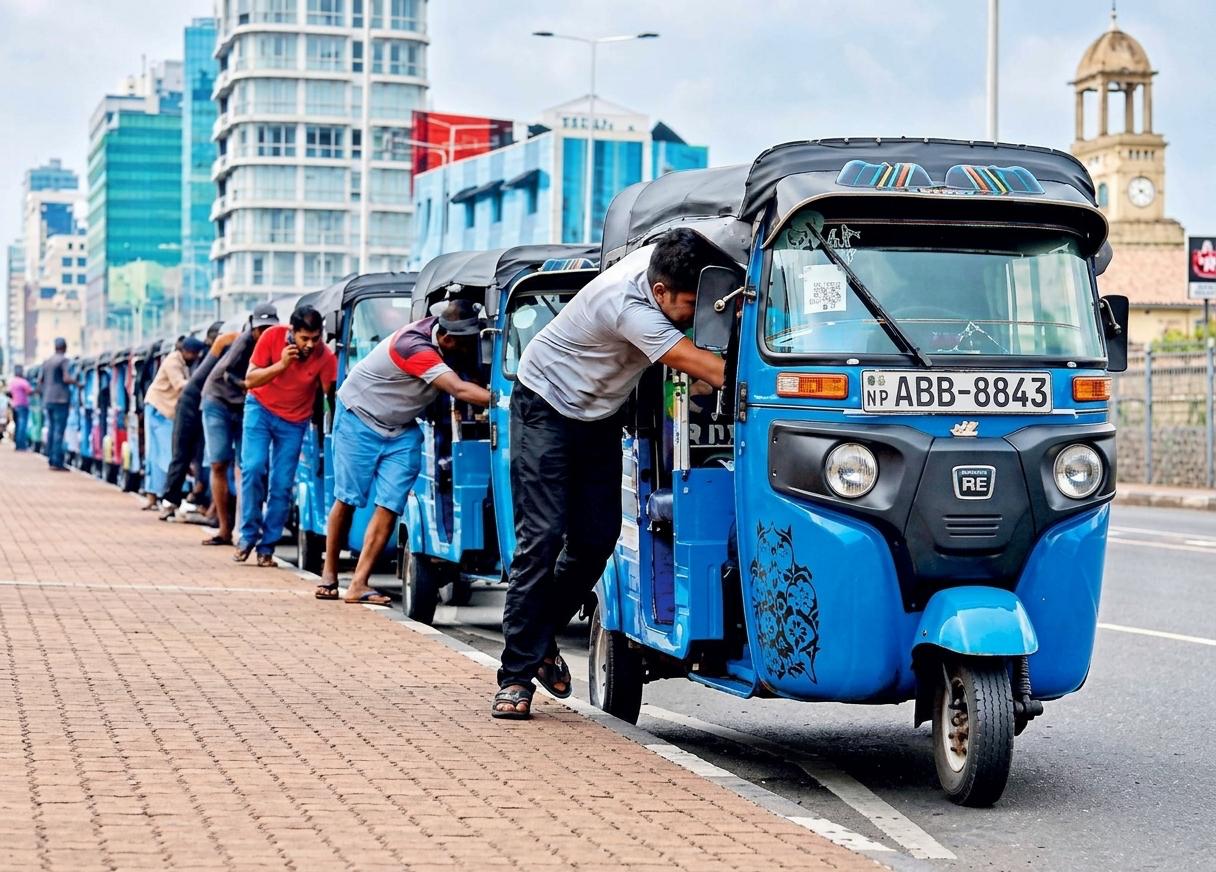
The fundamental issue is not that fuel prices go up when global oil surges. The issue is that after years of talk regarding fiscal restructuring, Sri Lanka’s economic reserves remain so thin that the state cannot cushion its own productive sectors for even a single fortnight. Small business owners, three-wheeler drivers, and supply chain operators must absorb the immediate fallout because our balance sheet possesses zero elasticity.
Today’s price hike is more than a routine adjustment. It is a clear warning that until our policymakers build genuine foreign exchange buffers and move past reactive balance-sheet management, the citizen will remain perpetually exposed to every wind that blows across the international sea lanes.