
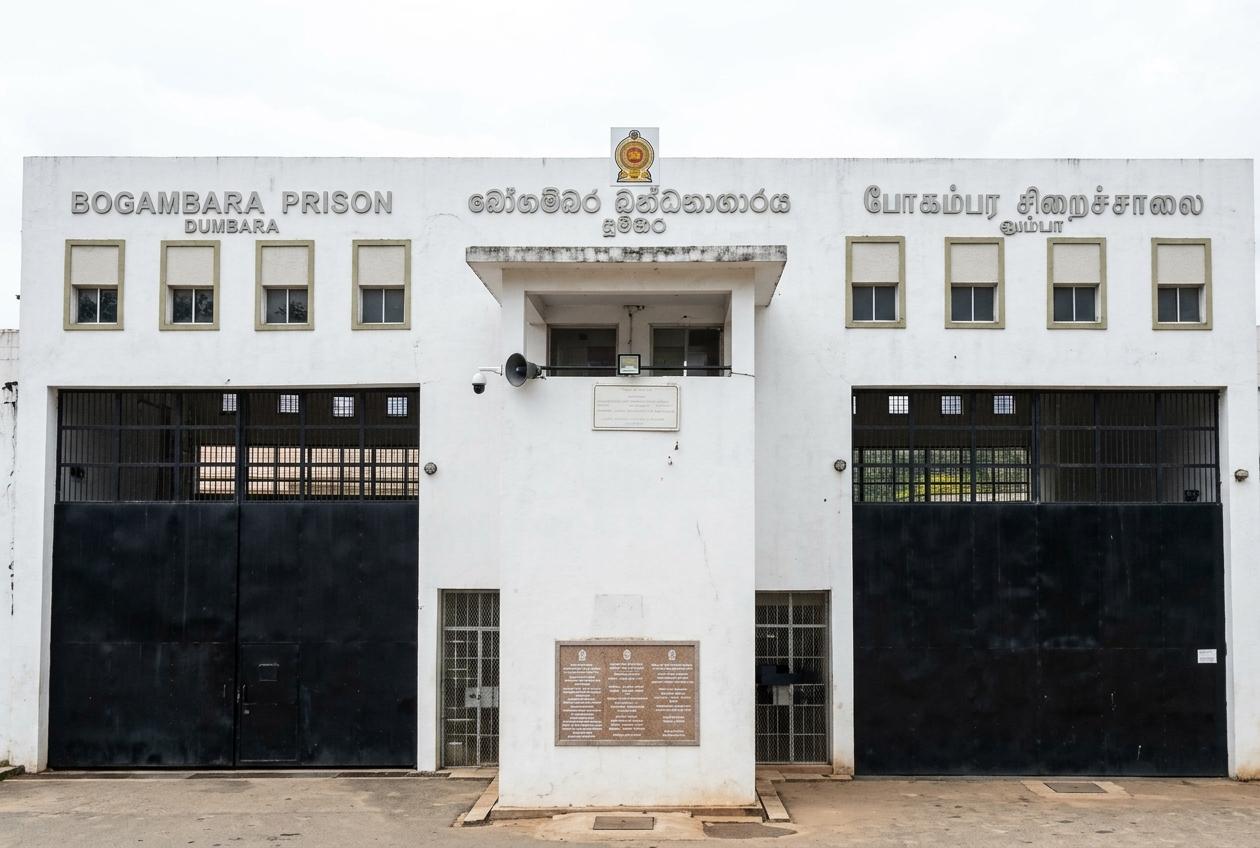
A 27-year-old remand prisoner was shot dead by guards inside the Dumbara Prison complex in Pallekele, Kandy, around 8:00 p.m. on Sunday. According to Prisons Media Spokesman and Commissioner Senaka Pallathtenna, the inmate was fatally wounded while attempting to escape the facility and actively trying to seize a firearm from a prison officer. The deceased, a resident of Galagedara who had been remanded over allegations of possessing seven grams of narcotics, had been in custody for less than a week. His body was subsequently transferred to the Kandy National Hospital for post-mortem examination, while joint inquiries involving local police and judicial authorities were initiated.
Beyond the immediate official sequence of events, however, the incident has raised significant concern and sparked an intense emotional outcry from the deceased’s family. Relatives state they were never formally notified of the shooting by prison administration or local police, discovering the tragedy only through informal channels. Upon traveling to both the Galagedara Police Station and the Kandy National Hospital, family members report being met with limited information and denied access to view the body. They have also raised troubling claims regarding rumors of broken bones prior to the fatal shot, insisting on an impartial investigation to establish complete clarity.
Balancing these accounts requires examining the severe operational pressures and security risks confronting correctional personnel. High-security facilities like Dumbara manage volatile environments where an attempt to disarm a perimeter guard poses an immediate, lethal threat to officers, other inmates, and public safety. In such high-stress scenarios, guards are trained to deploy decisive force to prevent a weapon from falling into unauthorized hands or allowing a breach of the perimeter.
Submit Your Press Release
Get your company news, announcements, launches, appointments and events in front of a wider audience.


At the same time, custodial deaths place a heavy burden of accountability on state institutions. A standard self-defense assertion does not negate the necessity for procedural transparency, particularly when a newly remanded suspect dies within days of entering a state facility. With the deceased having married six months ago and leaving behind a pregnant wife, the human toll underscores why routine press statements are insufficient to satisfy public trust.
The ongoing magistrate’s inquiry and official post-mortem at the Kandy National Hospital must now provide objective forensic findings. Establishing the full truth serves both sides of the fence, verifying whether correctional officers acted strictly within lawful self-defense protocols, while guaranteeing the grieving family an open, verifiable accounting of the events that transpired behind Dumbara’s walls.



