The Supreme Court has cleared the central constitutional hurdle facing the proposed extension of judges’ retirement ages. But it has also required changes to the Bill.
Sri Lanka will not require a referendum to enact the proposed 22nd Amendment to the Constitution extending the retirement ages of superior court judges.
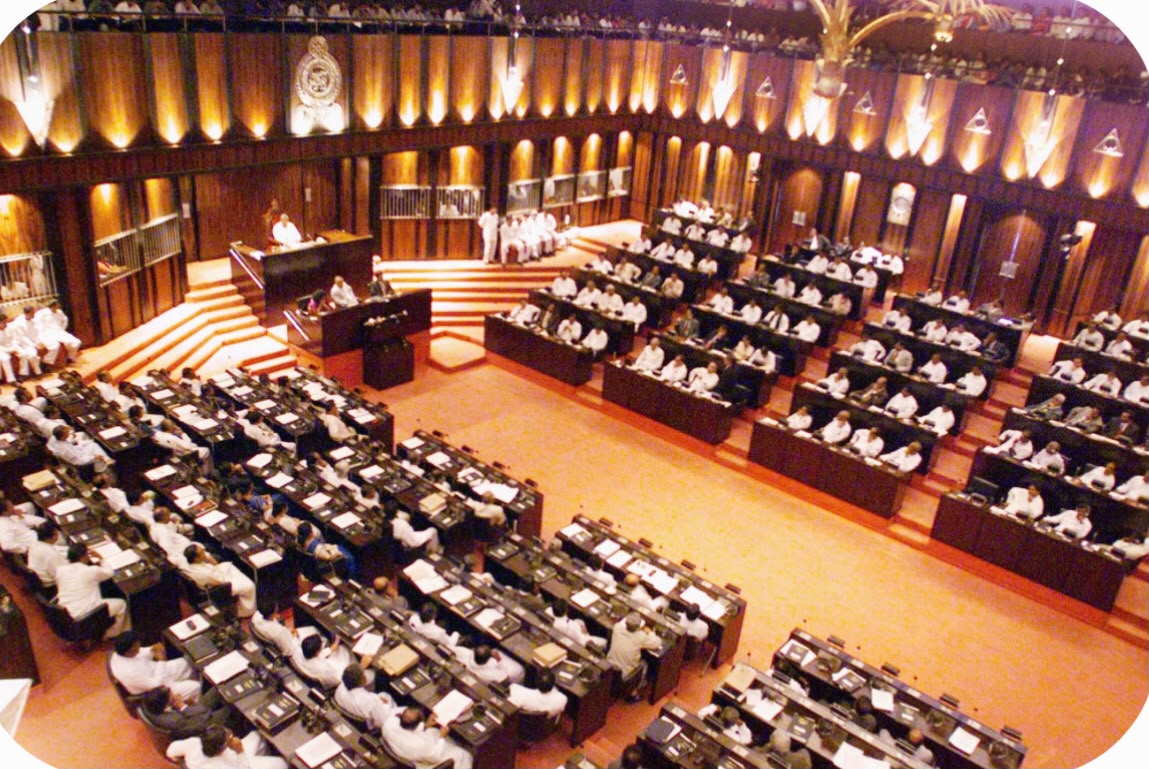
Speaker Jagath Wickramaratne announced the Supreme Court determination in Parliament yesterday. The Court held that neither the 22nd Amendment nor any part of it requires approval by the people at a referendum under Article 83 of the Constitution. The constitutional amendment can therefore proceed with the required special parliamentary majority.
Submit Your Press Release
Get your company news, announcements, launches, appointments and events in front of a wider audience.


But the Court did not simply wave the legislation through unchanged.
It directed a wording change concerning the age of 67 and required a second proviso specifying that the proposed six-year term limit would not apply to the person holding the office of Chief Justice when the amendment comes into operation.
The accompanying Judicature (Amendment) Bill was found not inconsistent with the Constitution and can be passed by a simple majority. Parliamentary debate on the legislation is scheduled for September 24 and 25.
That changes the argument.
For weeks the question was whether the Constitution itself would require the people to decide.
The Supreme Court has answered that question.
Now Parliament must decide whether extending the tenure of serving judges is something it should do simply because constitutionally it can.