Government Also Worries About What Happens If India Restricts Food Exports
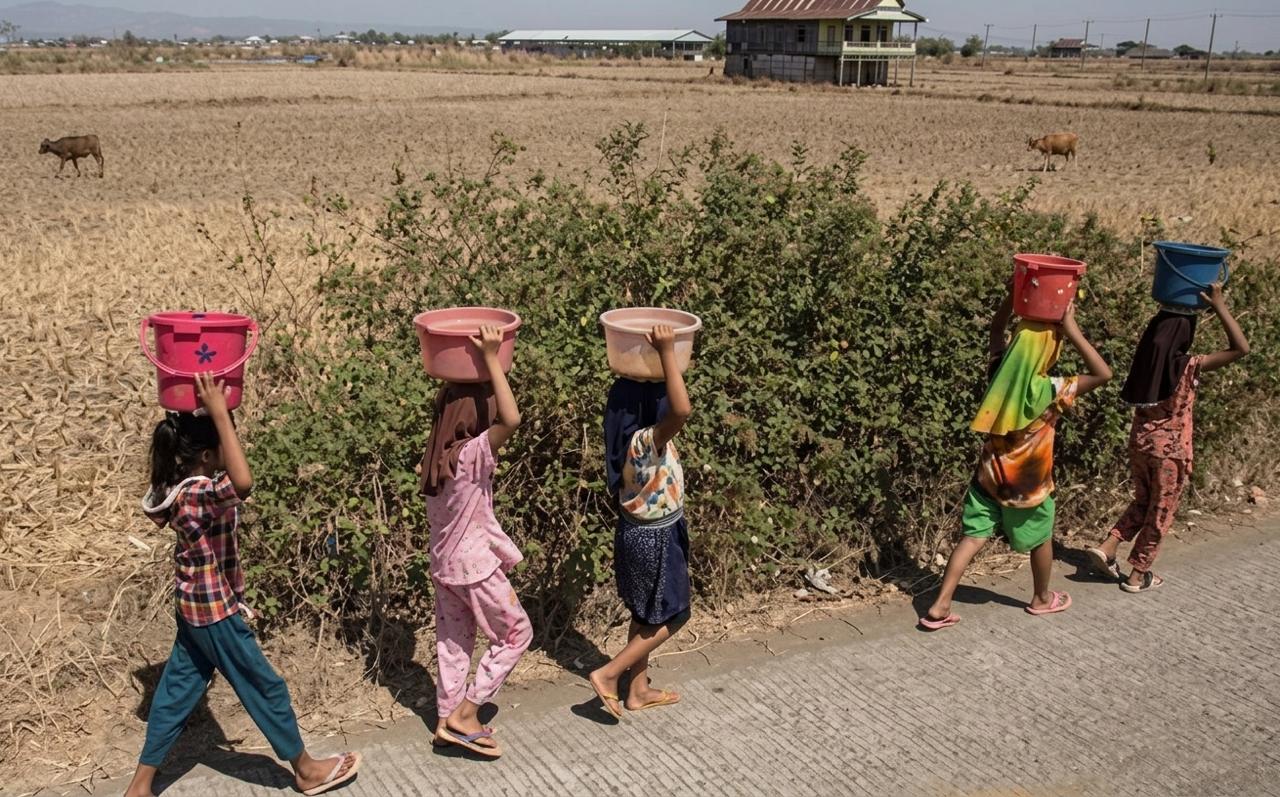
More than 84,000 people are now reported affected by Sri Lanka’s worsening dry conditions as the Government sets aside Rs.3 billion to compensate farmers for crop losses linked to El Niño.
Nearly 8,000 acres belonging to around 7,000 farmers have already been affected across Monaragala, Polonnaruwa, Hambantota, Anuradhapura and Ampara.

Compensation of Rs.100,000 per hectare is to be available for affected paddy, maize, big onions, potatoes, soybeans and chillies, subject to a maximum of five acres per farmer.
But an equally serious concern may lie beyond Sri Lanka’s shores.
The Government is discussing contingency measures should El Niño affect agricultural production in India sufficiently for New Delhi to restrict or suspend exports of essential food items.
Sri Lanka remains heavily dependent upon India for a range of food imports.
Deputy Trade, Commerce and Food Security Minister R.M. Jayawardena has confirmed that the possibility has been discussed at a meeting chaired by President Dissanayake, although no specific contingency measure has yet been decided.
That makes El Niño more than a drought problem.
Sri Lanka must protect its own harvest while preparing for the possibility that a principal supplier may decide it must protect its own people first.
Food security, after all, begins long before the shelves become empty.