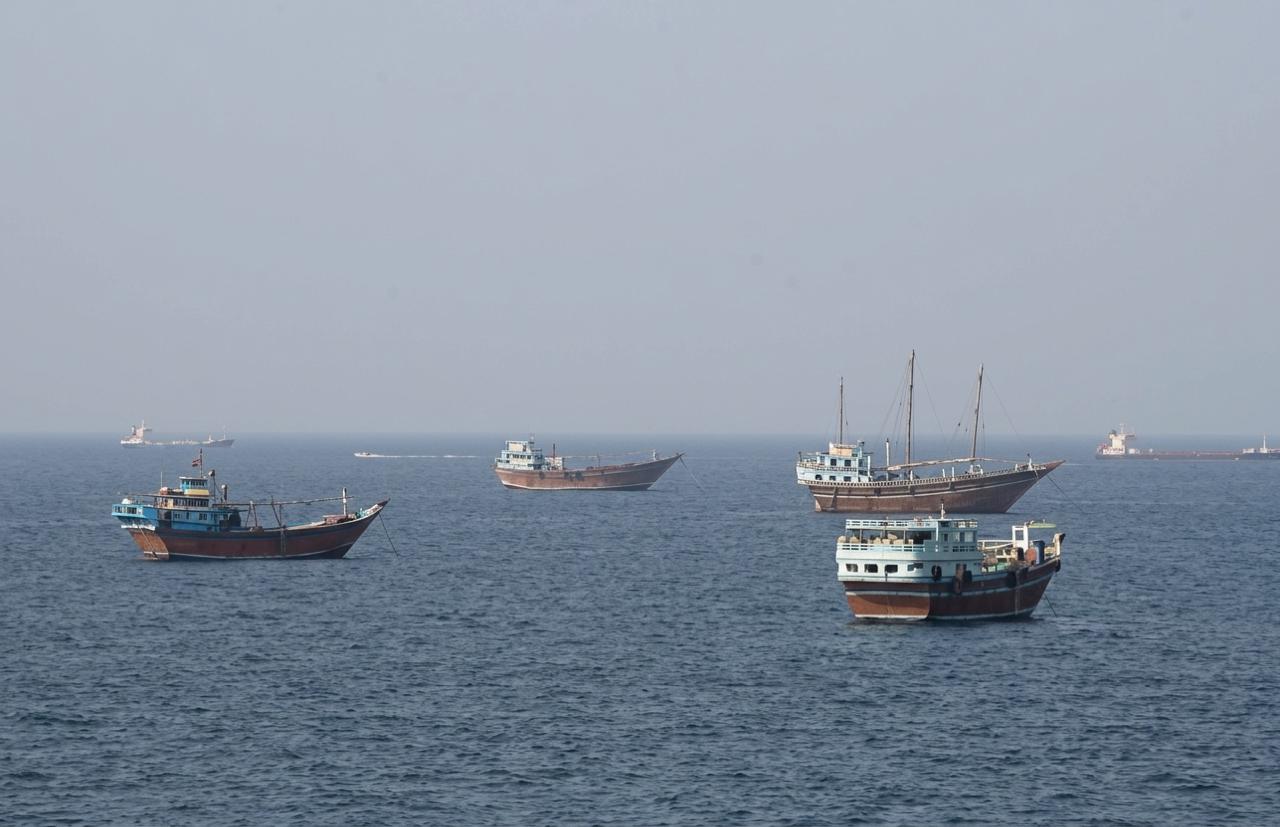
Eleven US-Sanctioned Iranian Oil Tankers Are Being Monitored off the Southern Coast — They Are Outside Sri Lankan Waters, But an Escalating American Economic War Against Tehran Has Arrived Uncomfortably Close to Galle
COLOMBO – Sri Lanka has found itself an unlikely spectator to the intensifying confrontation between the United States and Iran, with 11 US-sanctioned Iranian oil tankers now being monitored just beyond the country’s southern territorial waters.
The vessels have gathered in international waters off the island as the American blockade and sanctions campaign against Iran leaves sections of the country’s merchant fleet effectively stranded.

Foreign Minister Vijitha Herath has made Sri Lanka’s position clear. The vessels remain outside the country’s 12-nautical-mile territorial limit and Colombo has neither control over them nor facilitated their presence.
Sri Lankan reconnaissance aircraft and naval patrol vessels are nevertheless monitoring the tankers.
Authorities say there is presently no evidence of ship-to-ship oil transfers or illegal discharge of pollutants which would provide grounds for Sri Lankan intervention. The vessels have also not sought permission to enter Sri Lankan territory.
That may settle the immediate legal question. It does not make their presence strategically insignificant.
The United States this week dramatically widened its economic campaign against Iran, targeting vessels, entities and individuals while warning countries and businesses against helping Tehran circumvent sanctions. Washington’s pressure on Iranian shipping has become an important component of its attempt to squeeze the country’s economy.
The Strait of Hormuz crisis has meanwhile become one of the world’s most serious threats to energy security. Before the present conflict, roughly one-fifth of global oil supply passed through the waterway.
Sri Lanka sits close to the principal east-west shipping routes connecting the Gulf with Asia. What happens in Hormuz therefore has consequences extending far beyond Iran and the United States, particularly for an island economy dependent upon imported petroleum.
There is another reason for vigilance. Sanctioned and so-called shadow fleets have generated increasing international concern over insurance, vessel condition, ownership transparency and environmental liability. An accident involving a tanker does not respect a line drawn 12 nautical miles from shore.
For the moment, Sri Lanka is doing what international law permits it to do: watching.
But the sight of 11 sanctioned Iranian tankers waiting beyond Galle is an extraordinary reminder that a geopolitical conflict several thousand kilometres away can suddenly appear on Sri Lanka’s doorstep.
Be that as it may, they may be outside our territorial waters – but eleven sanctioned oil tankers sitting off the southern coast are far too close for Sri Lanka to look the other way.
Sri Lankan authorities confirm that 11 sanctioned Iranian vessels are being monitored outside territorial waters, while the latest Reuters reporting shows Washington continuing to intensify economic pressure on Tehran amid attempts to restore normal navigation through Hormuz.