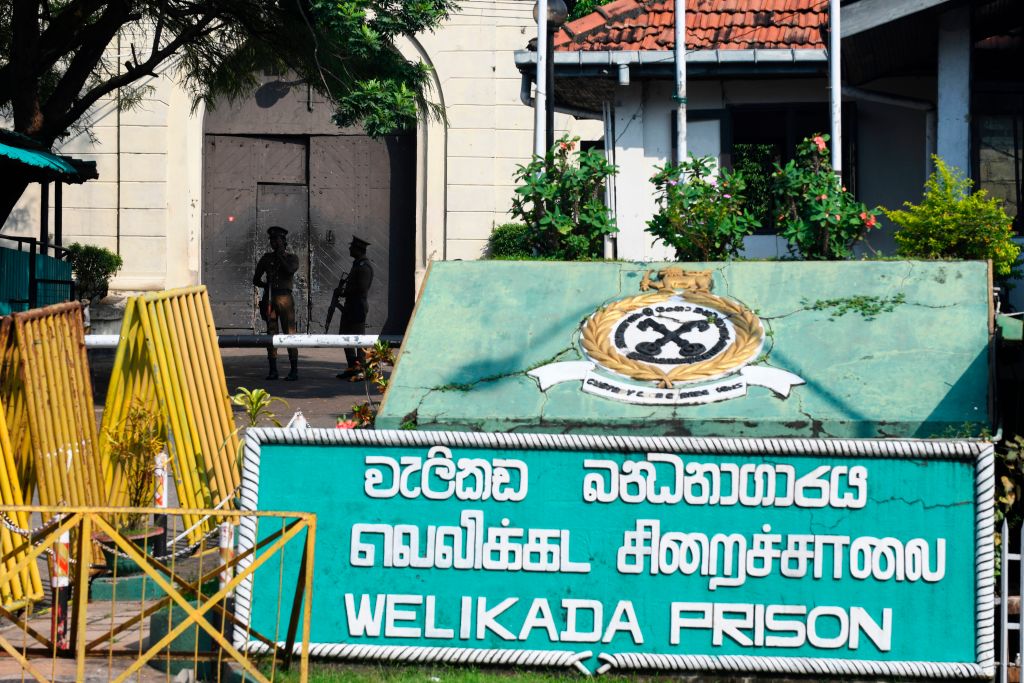
The Mahara Prison unrest has transformed what initially appeared to be an isolated disturbance into something far more troubling: a stark warning that Sri Lanka’s correctional system is under unprecedented strain.
One inmate was killed and six others injured after violence erupted inside the maximum-security prison on Saturday. By Sunday, police, military personnel and prison authorities had restored order, but not before extensive damage had been caused to prison buildings, administrative offices and other facilities. Authorities have since tightened security at prisons across the country.
The timing is impossible to ignore.
Submit Your Press Release
Get your company news, announcements, launches, appointments and events in front of a wider audience.


Barely weeks have passed since the deadly violence at Negombo Prison claimed the lives of prison officers and inmates in what became Sri Lanka’s worst prison disturbance in well over a decade. The Government responded then by promising reforms, additional recruitment, prisoner transfers and a renewed focus on security. Mahara now raises the inevitable question of whether those measures have been sufficient.
Unlike many public institutions, prisons are expected to maintain control every hour of every day. When that control is lost – even briefly – the consequences extend well beyond prison walls. Families gather in fear outside the gates. Rumours spread rapidly. Public confidence is shaken, and law enforcement resources must be diverted simply to restore order.
Mahara also highlights another problem that has been discussed for years but seldom addressed with sustained urgency: overcrowding.
Successive governments have acknowledged the problem.
Proposals have included reopening former prisons, expanding accommodation, recruiting additional officers and reviewing sentencing policies for low-risk offenders. Yet the statistics suggest that capacity has struggled to keep pace with demand, particularly as drug-related convictions have increased in recent years.
The immediate priority will naturally be determining precisely what triggered Saturday’s violence. Authorities will also need to establish whether intelligence warning signs existed beforehand and, if they did, whether they were acted upon quickly enough.
The broader challenge, however, is more fundamental.
Sri Lanka cannot afford for prison disturbances to become recurring national events. A prison system operating far beyond its intended capacity places inmates, prison officers and ultimately the wider public at greater risk.
Mahara should therefore not be viewed as merely another riot. It is the latest symptom of structural pressures that have been building for years and which now demand sustained attention rather than temporary crisis management.