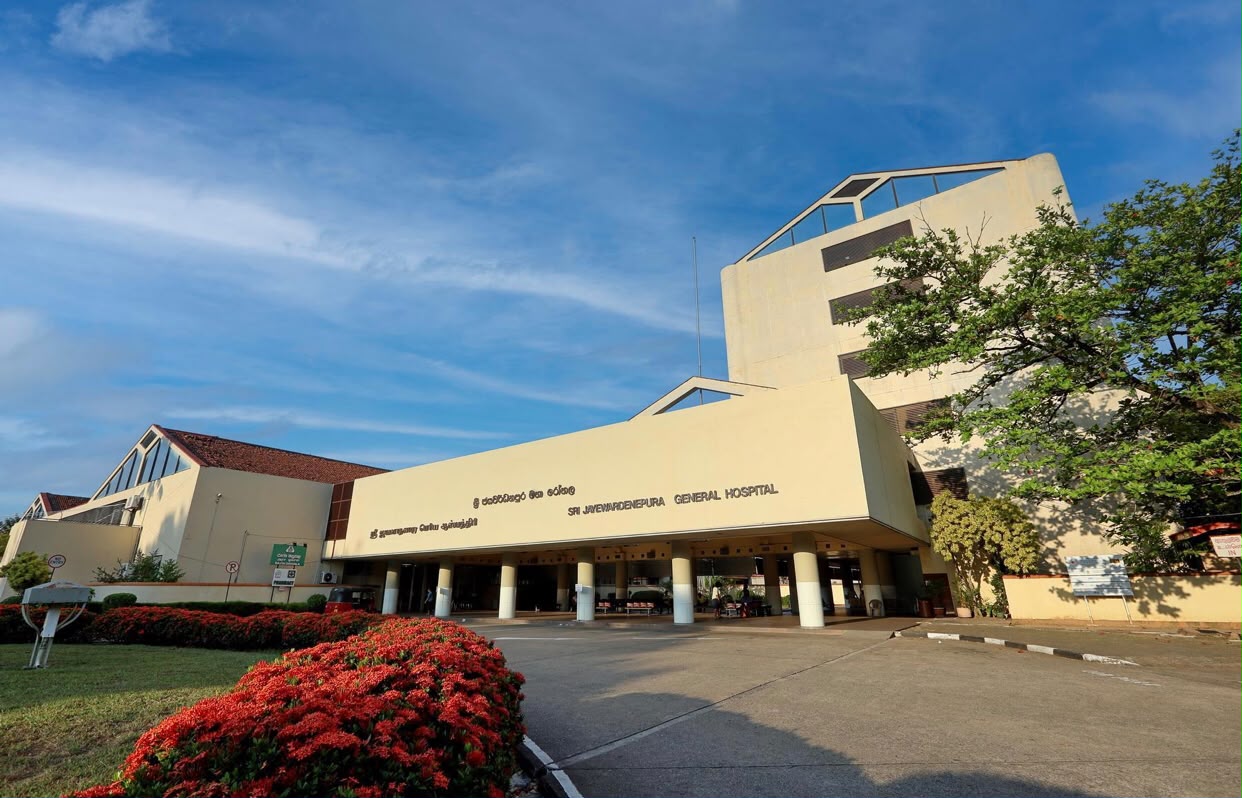
Thirty-nine health-sector projects are heading towards implementation from 2027. New hospitals, buildings and equipment photograph beautifully. The less glamorous question is what happens ten years later. Sri Lanka needs to become as good at maintaining public infrastructure as it is at building it.
There is welcome news for Sri Lanka’s public health service. After evaluating health-sector project proposals submitted during 2025 and 2026, 39 projects considered sufficiently ready are to proceed as part of the country’s public investment programme.
The purpose is sensible: address infrastructure shortages in government healthcare institutions and upgrade facilities to modern standards. NEWSLINE hopes every worthwhile project gets built.
Submit Your Press Release
Get your company news, announcements, launches, appointments and events in front of a wider audience.


But we would add one requirement: maintain it.
Sri Lanka’s public sector contains an extraordinary amount of infrastructure purchased with taxpayers’ money or foreign assistance that subsequently deteriorates because maintenance becomes somebody else’s problem. A building is commissioned, a plaque is unveiled and a photograph is taken. Then the political attention moves elsewhere.
Hospitals make the consequences particularly serious. Sophisticated medical equipment requires servicing, air-conditioning and electrical systems require maintenance, laboratories require consumables and buildings require repairs. An impressive new unit without doctors, nurses, technicians and operating budgets is ultimately an expensive shell.
This is not a criticism peculiar to the present administration. It is an institutional weakness accumulated over many governments. Capital expenditure attracts attention because something tangible appears at the end of it. Maintenance expenditure rarely does.
Nobody cuts a ribbon because an MRI machine received its scheduled preventive maintenance. But that maintenance may ultimately save taxpayers considerably more money than replacing the machine after it fails.
The 39 projects therefore provide an opportunity to change the model. Every project should have a life-cycle cost before construction begins: capital cost, expected staffing, annual maintenance, equipment replacement schedules and the recurrent expenditure required to operate the facility properly.
Then Parliament and the public could judge not simply whether something was built, but whether Sri Lanka can afford to operate what it builds. The same principle should eventually extend beyond hospitals to roads, schools, reservoirs, government buildings, railway infrastructure and water systems.
Sri Lanka does not suffer only from an infrastructure deficit. It suffers from a maintenance deficit.
If these 39 health projects are still functioning beautifully twenty years from now, that will be a considerably greater achievement than opening all 39 on time.
Be that as it may.