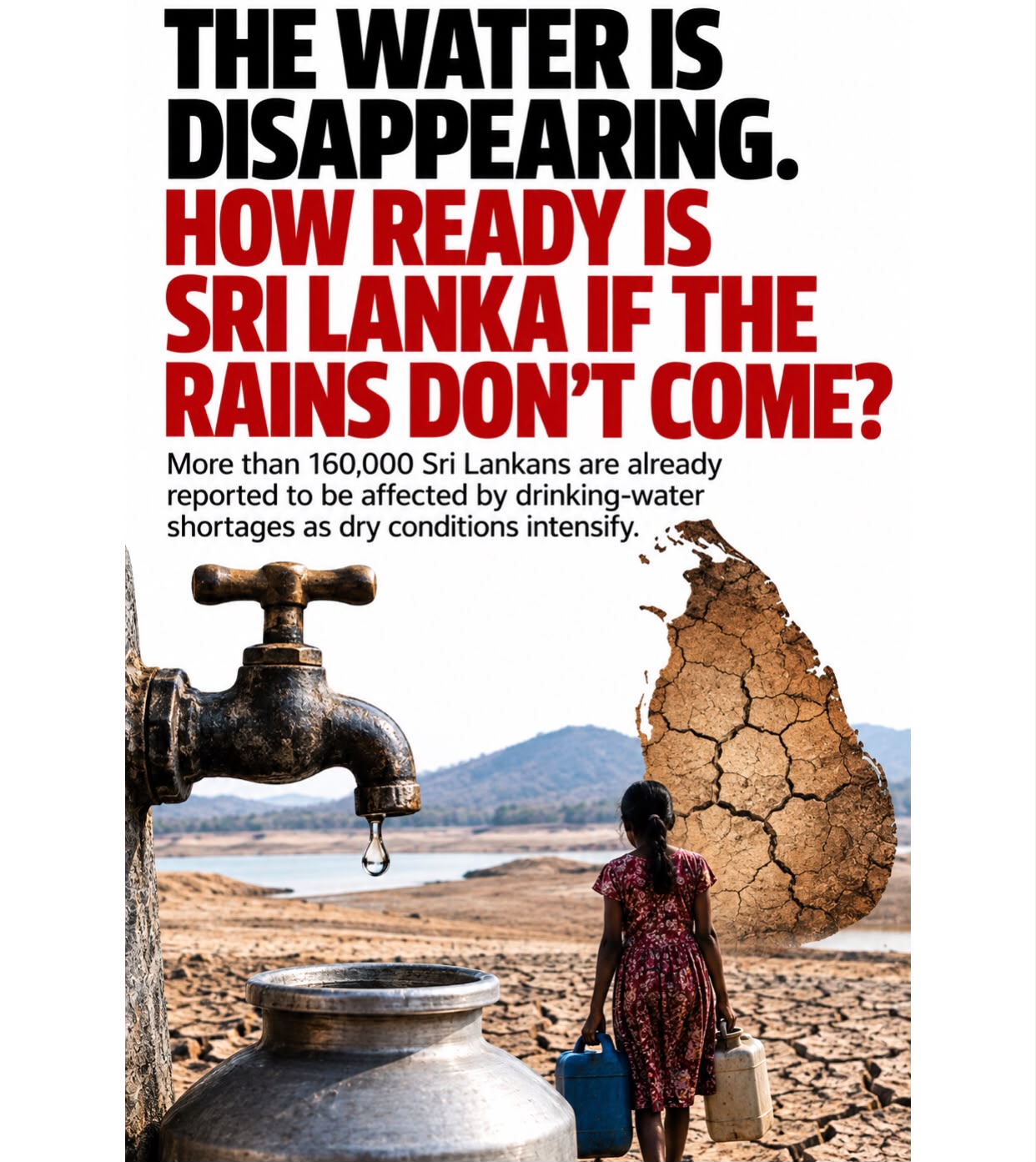
More Than 84,000 Hit by the Dry Spell as Government Sets Aside Rs. 3 Billion for Farmers and Vegetable Prices Face Fresh Pressure
COLOMBO – The number of people affected by Sri Lanka’s worsening dry spell has climbed beyond 84,500 as El Niño conditions tighten their grip across large parts of the country, damaging crops, straining water supplies and threatening another rise in food prices.
Latest Disaster Management Centre figures put the number affected at 84,546 people from 24,144 families, with the dry conditions extending across the Northern, Eastern, North Central, Southern and North Western provinces.
Submit Your Press Release
Get your company news, announcements, launches, appointments and events in front of a wider audience.


The agricultural damage is already substantial enough for the Government to allocate Rs.3 billion to compensate farmers affected by the drought.
Around 8,000 acres belonging to approximately 7,000 farmers have been reported damaged across Monaragala, Polonnaruwa, Hambantota, Anuradhapura and Ampara.
Compensation of Rs.100,000 per hectare is to be made available for affected paddy, maize, big onions, potatoes, soybeans and chilli cultivation, subject to a maximum of five acres per farmer.
The next impact may arrive at the market.
Vegetable traders are warning that reduced water available for cultivation could begin pushing prices higher as supplies tighten. Beans were already selling at around Rs.300 a kilogram, carrots at Rs.200 and capsicum at around Rs.400, according to prices cited by market representatives.
That makes this more than a weather story.
Sri Lanka has spent much of the past several years fighting inflation and attempting to restore household purchasing power after the economic crisis. A prolonged drought capable of simultaneously damaging farmer incomes and raising food prices would strike both sides of that recovery.
Compensation can help farmers after a crop has failed. It cannot manufacture the food which the failed crop was supposed to put into the market.
Nor is this an unfamiliar Sri Lankan problem. Drought arrives, reservoirs fall and water conservation suddenly becomes a national priority. Then the rains return, reservoirs refill and much of the urgency disappears with the drought.
Climate volatility is making that habit increasingly expensive.
The country therefore needs to think beyond compensating farmers for the rain that did not fall and towards capturing considerably more of the rain when it does.
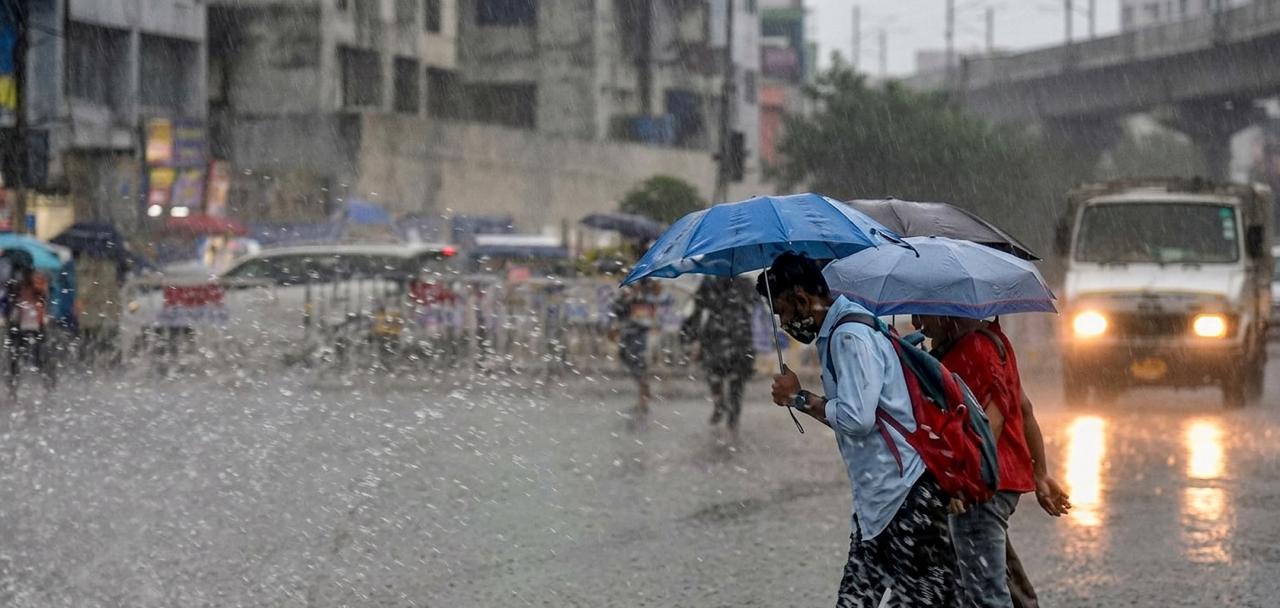
Be that as it may, the rain will eventually come. The real question is whether, when it does, Sri Lanka will once again allow enough of tomorrow’s water to run straight into the sea.
The latest reported DMC figure is 84,546 people affected. Separately, the Government has allocated Rs.3 billion for crop compensation, with nearly 8,000 acres belonging to around 7,000 farmers reported affected.