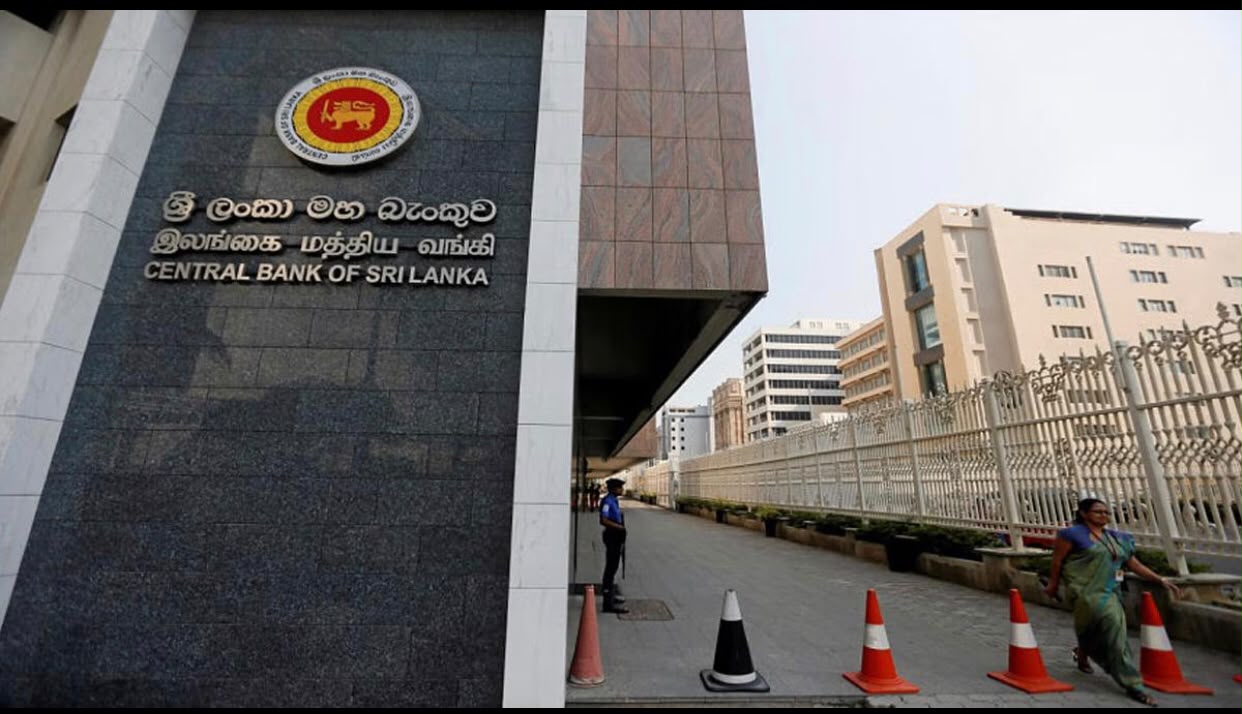
The country has regained growth, IMF backing and improved credit ratings after its 2022 default. But slower growth, vulnerable reserves and a formidable schedule of foreign-currency repayments mean the real test of its recovery is still ahead.
Sri Lanka has spent four years rebuilding its economy after its historic sovereign default. It has negotiated debt relief, secured an International Monetary Fund bailout, restored economic growth and regained some of the confidence of international investors. Yet the next phase of its recovery may prove more difficult than the first.
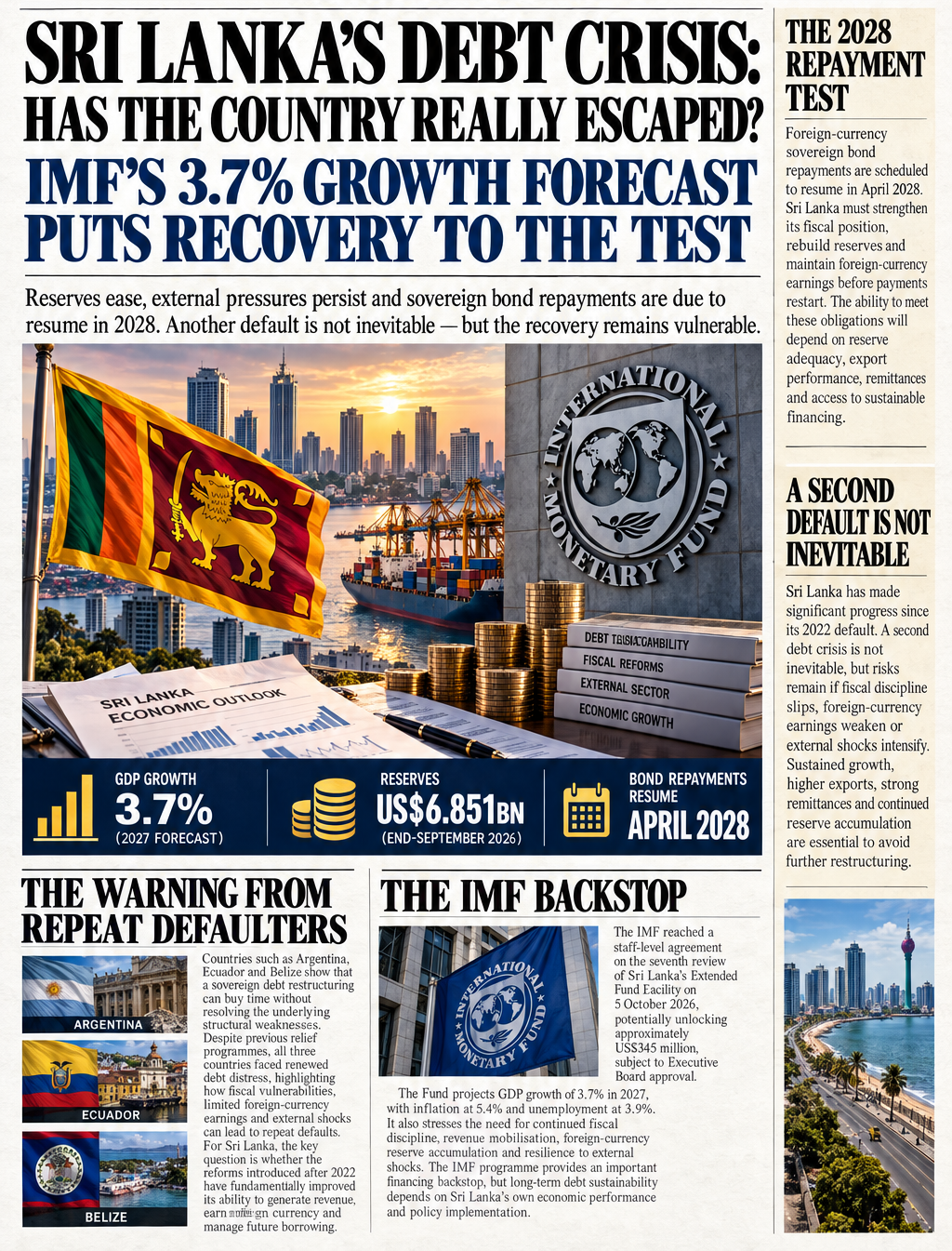
The IMF’s latest World Economic Outlook projects Sri Lanka’s economic growth to moderate to 3.7 per cent in 2027. Foreign exchange reserves, meanwhile, fell to US$6.85bn at the end of September, despite continued dollar purchases by the Central Bank. The country is also approaching the resumption of foreign-currency sovereign bond repayments in April 2028.
Submit Your Press Release
Get your company news, announcements, launches, appointments and events in front of a wider audience.


None of these developments means another default is imminent. But together they expose the central question confronting policymakers: can Sri Lanka generate enough government revenue and foreign currency to meet its obligations without repeatedly relying on fresh borrowing or emergency international assistance?
The experience of countries such as Argentina, Ecuador and Belize suggests that a sovereign debt restructuring can buy time without resolving the structural weaknesses that caused the original crisis. Sri Lanka’s challenge is to ensure that the relief secured since 2022 becomes a durable improvement in its capacity to pay.
A Recovery That Remains Vulnerable
The latest IMF forecast represents a moderation rather than a collapse in economic activity. Growth is projected at 4 per cent in 2026 before easing to 3.7 per cent in 2027, compared with approximately 5 per cent in 2025. The Fund also projects inflation of 5.4 per cent and unemployment of 3.9 per cent in 2027.
The numbers are consistent with an economy that has stabilised but continues to face constraints. Positive growth should support tax revenue, employment and investment, yet the pace of expansion matters when public debt remains high and the government must rebuild financial buffers.
External conditions complicate the outlook. The IMF has warned about the consequences of the Middle East conflict, energy-price volatility, uncertainty in global trade and climate-related shocks. For an import-dependent economy such as Sri Lanka, an increase in oil prices can raise the import bill, put pressure on inflation and weaken the external balance.
The IMF’s October forecast is not a prediction of another debt crisis. Its significance lies in the demands placed on an economy that must simultaneously fund development, maintain fiscal discipline and prepare for substantial future repayments.
The distinction between recovery and debt sustainability is crucial. An economy can grow for several consecutive quarters while remaining vulnerable to a shortage of foreign currency or an inability to refinance maturing obligations.
The IMF Backstop Remains Important
Sri Lanka’s recovery continues to depend in part on the IMF’s four-year Extended Fund Facility, approved in March 2023 for approximately US$3bn.
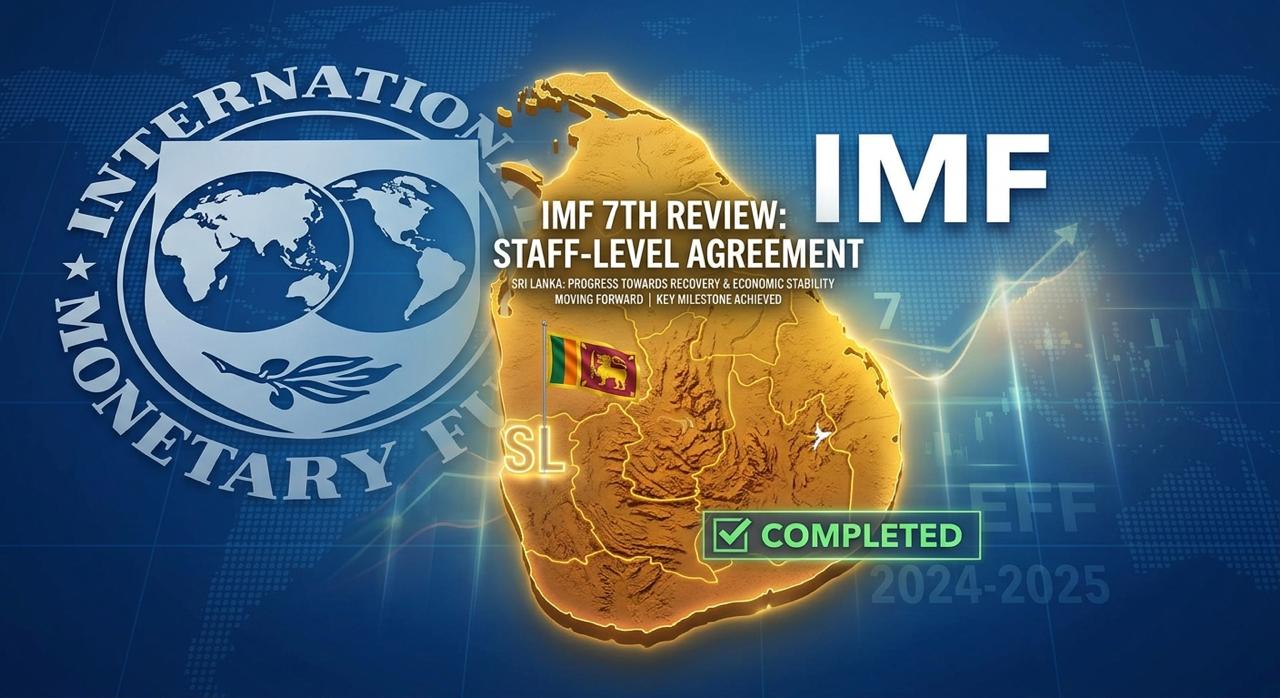
In May 2026, the IMF Executive Board completed the combined fifth and sixth reviews, allowing approximately US$695mn in further financing. On 5 October, IMF staff reached a staff-level agreement on the seventh review, potentially unlocking another US$345mn following Executive Board approval.
The proposed disbursement is subject to conditions, including the presentation of a 2027 Budget consistent with programme parameters and a financing-assurances review covering multilateral financing and progress on debt restructuring.
The distinction matters. A staff-level agreement is not final Board approval, and the prospective disbursement should not be treated as money already received.
In its September assessment, the IMF reported that economic activity had expanded by 4.2 per cent in the second quarter of 2026, marking eleven consecutive quarters of growth. It also cited strong first-half fiscal performance, reserves of about US$6.9bn at end-August and a banking sector that remained well capitalised and profitable.
The Fund nevertheless urged the authorities to maintain fiscal discipline, improve revenue collection, preserve cost-recovery energy pricing and allow greater exchange-rate flexibility. It also emphasised the importance of protecting governance and anti-corruption reforms.
The message is that Sri Lanka has made substantial progress, but the recovery remains conditional on policy continuity. The IMF programme provides financing and a framework for reform; it cannot replace the country’s need to generate its own sustainable revenue and foreign exchange.
Reserves Are the Immediate Test
The external position provides a more direct measure of the challenge ahead.
Sri Lanka’s gross official reserves fell 1.1 per cent to US$6.851bn at the end of September, from US$6.929bn a month earlier, according to EconomyNext. The Central Bank made net foreign-currency purchases of US$64.2mn during September, yet the overall reserve stock still declined.
The figures do not, on their own, indicate an approaching crisis. Reserve movements reflect multiple transactions, including external debt repayments, import payments, official inflows and other changes in foreign assets and liabilities. A single month’s decline should therefore be interpreted cautiously.
Nevertheless, the direction of reserves matters when a country is preparing to resume significant foreign-currency debt payments.
The Central Bank has been rebuilding reserves since the crisis, supported by foreign-currency purchases and external financing. The September report noted that the authorities were targeting further reserve accumulation and expected additional multilateral inflows to support that effort.
But reserves must be assessed against the country’s prospective obligations, not simply their absolute size. The ability to meet external debt payments depends on the combination of reserves, export earnings, remittances, tourism receipts and access to sustainable financing.
Sri Lanka’s trade position adds to the challenge. The Central Bank’s August 2026 external-sector report showed that the cumulative merchandise trade deficit widened to US$7.2bn in January–August, from US$4.3bn in the same period of 2025. Tourism earnings fell by about 10 per cent year-on-year to US$2.1bn, while workers’ remittances increased by 19.8 per cent to US$6.1bn.
The rise in remittances is a positive development, helping offset some of the pressure from imports and weaker tourism earnings. Yet the widening trade deficit shows why sustained foreign-currency inflows remain essential.
The concern is not that a trade deficit automatically causes default. It is that persistent external deficits can become difficult to finance if reserves stop growing, foreign investment weakens or borrowing becomes more expensive.
Debt Relief Has Reduced the Burden, Not Removed It
Sri Lanka’s restructuring has materially improved its debt position. The IMF’s May 2026 review reported that public debt declined from 125.8 per cent of GDP in 2022 to 101.1 per cent in 2025. Gross financing needs fell from 33.9 per cent of GDP to 19 per cent over the same period, while interest payments as a share of revenue declined from 79 per cent to 46 per cent.
Those are substantial improvements. But the IMF also cautioned that debt vulnerabilities remain high and that the projected gains depend on sustained reform momentum, revenue-based fiscal consolidation and effective liability management.
The distinction between reducing debt and managing debt service is particularly important. A restructuring can extend maturities and reduce the present value of obligations, easing immediate pressure on the government. It does not automatically generate the revenue or foreign currency required to meet the revised payment schedule.
Sri Lanka’s external debt stock also increased during the first half of 2026, according to Treasury figures reported by EconomyNext. Government external debt reached approximately US$38.0bn at end-June, compared with US$37.7bn at end-December 2025.
The increase should not be interpreted in isolation. New multilateral disbursements, repayments, exchange-rate movements and other changes in liabilities can affect the total. What matters is whether new borrowing supports sustainable economic activity and whether the resulting obligations remain affordable.
The IMF’s medium-term debt targets illustrate the scale of the task. The May programme review envisaged public debt falling below 95 per cent of GDP by 2032, average central government gross financing needs below 13 per cent of GDP during 2027–32, and annual central government foreign-currency debt service below 4.5 per cent of GDP in each year from 2027 through 2032.
These are programme objectives, not guaranteed outcomes. Their achievement depends on growth, fiscal performance, debt management and the country’s exposure to external shocks.
The 2028 Repayment Test
April 2028 is an important milestone in Sri Lanka’s post-restructuring debt profile, when repayments to sovereign bondholders are scheduled to resume.
The date should not be treated as a deadline for a new crisis. The government has time to strengthen its fiscal position, accumulate reserves and improve foreign-currency earnings before payments resume.
However, the period leading up to 2028 will test whether the restructuring has created a genuinely sustainable position. Policymakers must prepare for the size and timing of principal and interest payments, while accounting for other external obligations and essential imports.
The challenge is made more complex by the fact that Sri Lanka needs to rebuild reserves without unnecessarily restricting the imports, investment and economic activity required for growth.
If export receipts, tourism and remittances remain strong, and the government maintains credible fiscal targets, the country should be better placed to meet its obligations. If foreign-currency earnings weaken while debt service rises, reserve accumulation could become more difficult.
The government will also need to manage refinancing risks carefully. Excessive dependence on short-term or expensive borrowing could ease immediate cash pressures while making future obligations harder to service.
The most useful measure of progress will therefore be the government’s ability to meet its obligations from sustainable resources, rather than simply whether reserves rise in any individual month.
Fitch’s Upgrade Reflects Progress and Remaining Weaknesses
Fitch Ratings upgraded Sri Lanka’s long-term issuer default rating from CCC+ to B− with a stable outlook in September 2026.
The upgrade reflects the gains from macroeconomic stabilisation, fiscal adjustment and debt restructuring. It is also a sign that the country’s perceived credit risk has improved from the conditions surrounding the 2022 default.
But the rating agency did not suggest that the country’s debt risks had disappeared. Fitch highlighted the still-high public debt and debt-service ratios relative to rating peers, as well as modest reserve buffers in the context of rising external debt service over the coming years.
A stable outlook is not a guarantee against future deterioration. Credit ratings assess the capacity and willingness to meet obligations under prevailing conditions; they cannot eliminate the impact of major external shocks or policy reversals.
The upgrade is therefore best read as evidence that Sri Lanka has moved away from the acute conditions of its default, while remaining vulnerable to setbacks.
The Warning From Repeat Defaulters
Sri Lanka is not the first country to emerge from a sovereign debt restructuring while carrying significant residual vulnerabilities.
Argentina has repeatedly defaulted and restructured its debt. Ecuador defaulted in 2008 and restructured external bonds again in 2020. Belize restructured its external commercial debt three times between 2006–07 and 2016–17.
Their experiences are not identical to Sri Lanka’s. Each country has a different economic structure, monetary framework, creditor composition and political history. But they illustrate a common problem: restructuring can ease repayment pressure without resolving weak fiscal institutions, limited foreign-currency earnings or dependence on external financing.
An IMF working paper on serial sovereign defaults found that emerging-market countries with a history of default were more likely to default again than countries without such a history, even when their external debt-to-GDP ratios were similar. It also found that repeat default episodes often occurred relatively close together.
The research covers historical episodes and does not provide a probability of a second Sri Lankan default. Its relevance is more fundamental: a country’s history of debt distress can remain important even after a restructuring has been completed.
Belize offers a particularly clear example. Its third restructuring occurred less than four years after its second and within a decade of its first. The IMF concluded that liquidity relief and partial improvements in long-term debt sustainability would need to be supported by fiscal consolidation and growth-enhancing reforms to secure durable gains.
Sri Lanka faces the same broad test, although its current circumstances are different. The restructuring must be followed by an improvement in the economy’s capacity to pay, not merely a postponement of payments.
Sources: IMF — Serial Sovereign Defaults and Debt Restructurings; IMF — Belize’s 2016–17 Sovereign Debt Restructuring.
A Second Default Is Possible, but Not Inevitable
There is no sound basis in the cited IMF assessments for assigning Sri Lanka a precise probability of a second default. The available evidence supports a more qualified conclusion: the country has reduced immediate debt pressures but remains exposed to risks that could intensify if several adverse developments occur together.
A sustained recovery would require the government to maintain fiscal discipline, improve tax collection, expand exports and tourism, and continue rebuilding reserves. In that scenario, growth would support revenue and debt reduction, while prudent liability management would limit refinancing pressure.
A less favourable outcome could emerge if oil prices remain elevated, growth disappoints, fiscal targets become harder to achieve and foreign-currency earnings weaken. Such conditions would complicate debt management and could require further fiscal adjustment or new financing arrangements, without necessarily leading to default.
A more severe crisis would require a combination of persistent fiscal slippage, a major external shock, falling reserves and restricted access to financing. If the government then became unable to meet its contractual obligations, it could be forced to seek further debt relief or restructuring.
The distinction between vulnerability and an impending default is essential. Sri Lanka’s current indicators warrant scrutiny, but they do not establish that another default is imminent.
The Real Test Is Economic Capacity
Sri Lanka’s priorities are clear. It must preserve fiscal credibility, increase productive foreign-currency earnings, manage maturities well ahead of the 2028 repayment milestone and prevent new liabilities from accumulating through poorly managed state-owned enterprises or public investment.
Growth must also translate into higher productivity, employment and a stronger tax base. The IMF’s 3.7 per cent forecast for 2027 is compatible with continued recovery, but the quality and composition of that growth will matter as much as the headline rate.
A country that grows while relying on imports and borrowing faster than its capacity to earn foreign currency may remain vulnerable. A country that expands exports, strengthens institutions and generates reliable government revenue can gradually reduce that vulnerability even when its debt stock remains substantial.
Sri Lanka has made real progress since 2022. The IMF programme, completed restructuring agreements and Fitch upgrade are meaningful signs of improvement. Yet reserves, external balances and future debt-service requirements show why the recovery cannot be taken for granted.
The lesson from repeat defaulters is not that Sri Lanka is destined to follow their path. It is that debt relief buys time, and the use of that time determines whether a crisis is truly resolved.
Sri Lanka’s next achievement must be to move from a country that has restructured its debt to one that can reliably service it. Until that capacity is established, the possibility of another debt crisis cannot be dismissed — but neither should it be presented as inevitable.
Sources
- IMF — Sri Lanka country and programme reports
- IMF — October 2026 World Economic Outlook coverage
- Central Bank of Sri Lanka — External Sector Performance, August 2026
- EconomyNext — Foreign reserves fall in September 2026
- EconomyNext — IMF projects 2027 growth at 3.7%
- Daily FT — IMF reaches staff-level agreement on seventh review
- Daily FT — Fitch upgrades Sri Lanka
- IMF — Sri Lanka’s sovereign debt restructuring: lessons from complex processes
- IMF — Serial sovereign defaults and debt restructurings
- IMF — Belize’s 2016–17 sovereign debt restructuring
Figures reflect the cited publication dates. Forecasts are not final outcomes, and historical examples are used to illustrate risk rather than predict Sri Lanka’s future.