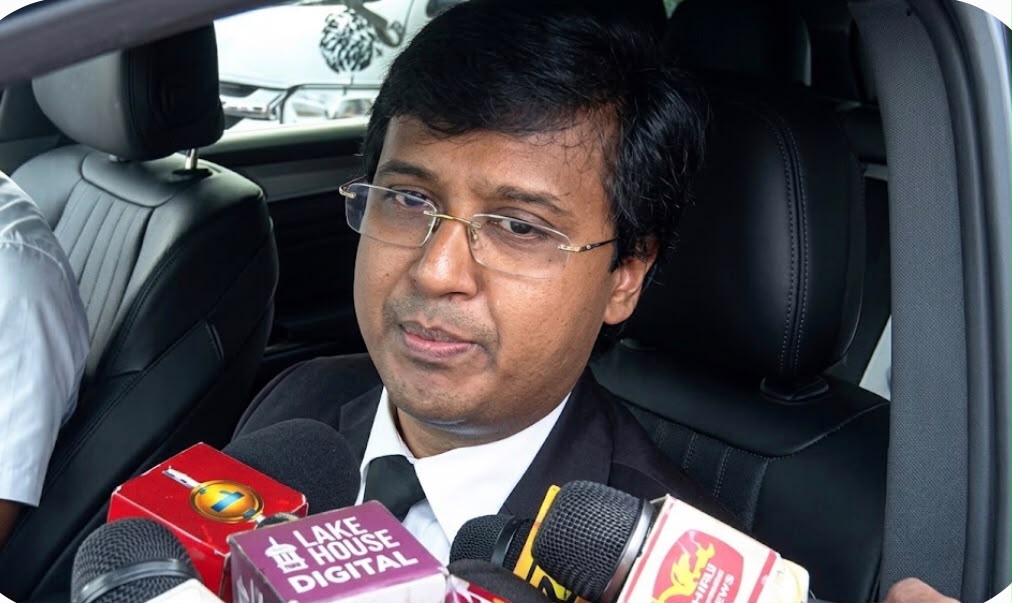
Lawyers signal every legal avenue remains open as dispute over 22nd Amendment moves closer to a constitutional confrontation
COLOMBO, Thursday – The controversy over the Government’s proposed extension of the retirement age of Sri Lanka’s superior court judges intensified Thursday, with the Bar Association of Sri Lanka maintaining its opposition and signalling that available legal avenues remain open as the proposed 22nd Amendment moves towards Parliament.
The latest position comes after representatives of the BASL met President Anura Kumara Dissanayake at the Presidential Secretariat to discuss the proposed constitutional changes, which would increase the retirement age of Supreme Court judges to 67 and Court of Appeal judges to 65.
Submit Your Press Release
Get your company news, announcements, launches, appointments and events in front of a wider audience.


The BASL has urged the Government not to proceed with the amendment in its present form and has called for wider consultation involving legal experts, academics and other stakeholders before a change of such constitutional significance is pursued.
The lawyers’ body has also maintained that altering the retirement provisions governing superior court judges engages constitutional safeguards concerningjudicial independence and should therefore be subjected to the appropriate constitutional process, including, in its view, approval by the people at a referendum.
President Dissanayake, however, has rejected suggestions that the proposed change has been designed to benefit any particular judge or group of judges. He has maintained that the proposal forms part of a broader attempt to address issues affecting the administration of justice.
The President has also indicated that meaningful political and constitutional reform inevitably involves taking risks and that he is prepared to face the consequences of pursuing changes the Government considers necessary.
That leaves the Government and the organised Bar occupying substantially different positions on an issue that goes considerably beyond whether judges should remain on the Bench for another two years.
At its heart is the question of whether changing the retirement age of judges already holding office could affect public confidence in the independence of the judiciary – and whether such a change can constitutionally be made without direct approval from the electorate.
The issue has acquired an international dimension following concerns raised by the UN Special Rapporteur on the independence of judges and lawyers over the implications of applying an extension to serving judges.
Meanwhile, opposition to the amendment has widened beyond the legal profession, with civil society organisations, lawyers, trade unions and political activists forming a common platform opposing the proposed constitutional change.
The Government therefore faces a potentially significant constitutional test if it proceeds.
The debate that began over two additional years on the Bench is rapidly becoming a much larger argument over judicial independence, constitutional procedure and the limits of parliamentary power.
Be that as it may, the next decisive arguments over the retirement age of Sri Lanka’s judges may no longer be made across a negotiating table – but before the judges themselves.