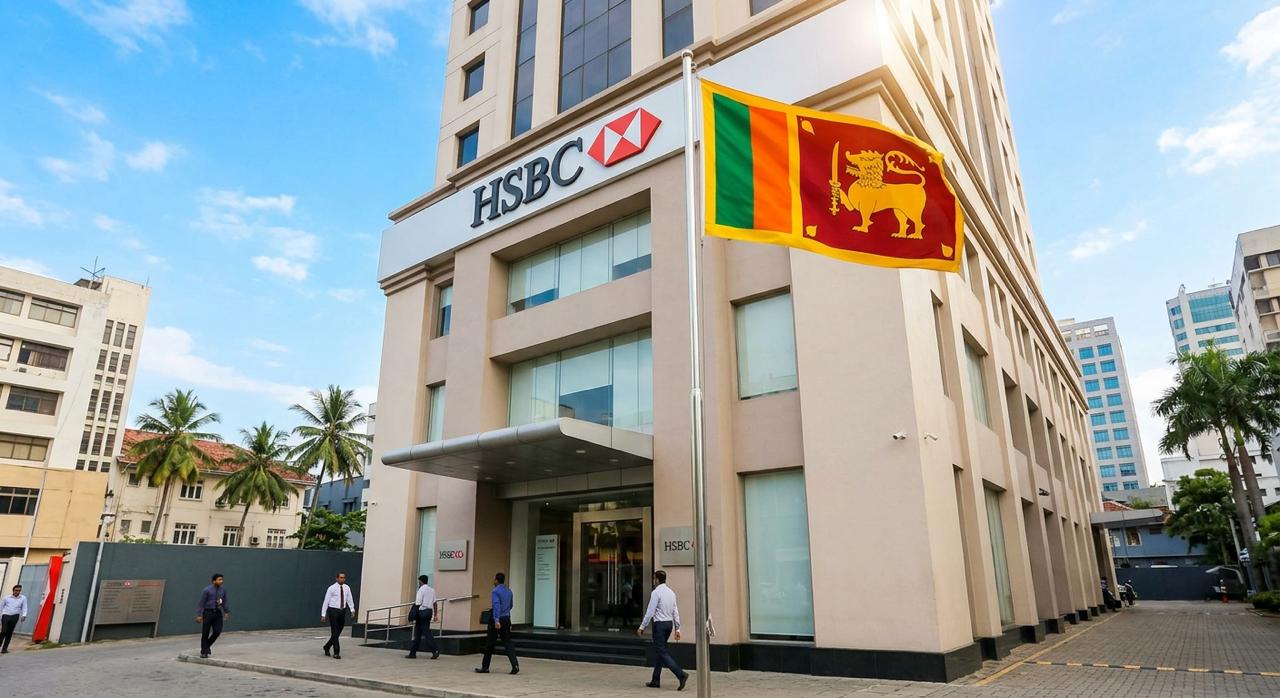
Opposition Leader Sajith Premadasa has raised concerns that HSBC’s Global Service Centre could relocate operations to the Philippines by December 2027. The suggestion remains unconfirmed, but the implications for employment and investor confidence deserve immediate scrutiny.
Sri Lanka’s investment climate faces a potentially uncomfortable test following claims that HSBC’s Global Service Centre may relocate its operations to the Philippines. Opposition Leader Sajith Premadasa says information reaching him suggests that such a move could place approximately 3,000 direct jobs and another 500 indirect jobs at risk. Crucially, these figures and the proposed relocation have not been independently established, and Premadasa himself has expressed the hope that the information is incorrect.
Nevertheless, the possibility deserves more than a routine political exchange. A multinational service operation supports skilled employment, foreign exchange earnings, professional development and a network of local businesses. Losing such an operation, if the reports prove accurate, would raise legitimate questions about Sri Lanka’s competitiveness in the international services sector.
Submit Your Press Release
Get your company news, announcements, launches, appointments and events in front of a wider audience.


The Government should establish whether HSBC has communicated any restructuring plans and whether discussions have taken place concerning the future of its Sri Lankan operation. HSBC, for its part, should clarify its position, particularly given the uncertainty that public speculation could create among employees. Until then, predictions of thousands of job losses must remain conditional rather than being presented as an accomplished fact.
The concern arises against the background of China Merchants Port Holdings’ reported withdrawal from the proposed US$392 million South Asia Commercial and Logistics Hub project. The circumstances surrounding these two matters may be entirely different, but together they sharpen questions about investment retention as well as investment attraction.
Sri Lanka cannot build a competitive economy merely by announcing investment summits and celebrating expressions of interest. It must demonstrate that companies already operating here have compelling commercial reasons to remain, expand and employ Sri Lankans.
The immediate challenge is to establish the facts before speculation becomes economic damage.