
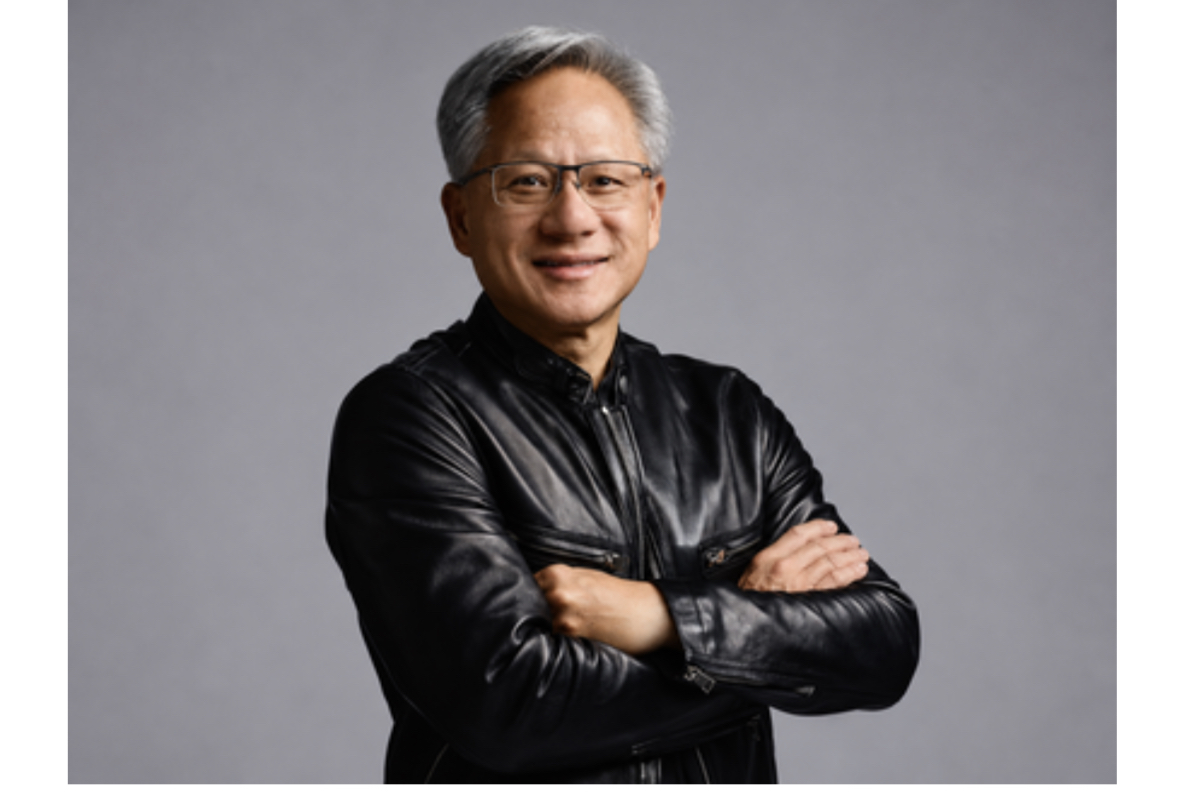
Silicon Valley loves a redemption arc, yet even the best public relations teams in California could not script a survival plan for Nvidia co-founder Jensen Huang. Yesterday, November 12, the longtime face of the artificial intelligence boom abruptly resigned as chief executive, president, and board member effective immediately, bringing a stunning end to a 33-year run that turned a graphics card startup into a multi-trillion-dollar juggernaut.
The unraveling began in late October when The New York Times reported that Huang had engaged in an extramarital affair with Huang Le, a Singapore-based datacenter executive known as Alice Huang whom US intelligence agencies suspect of having ties to Chinese intelligence. Although Huang admitted the infidelity in an internal memo to staff on November 8, insisting he had no idea of any alleged espionage links, the fallout snowballed fast. Shareholder lawsuits followed, Nvidia’s market valuation slipped below four trillion dollars, and reports surfaced of additional workplace relationships involving two female Nvidia employees. By Thursday, the board installed Chief Financial Officer Colette Kress as interim CEO and prepared Huang to testify before Congress.
While the personal indiscretions gave corporate governance hawks plenty of ammunition, the timing of the leaks has raised sharp eyebrows among market watchers and political observers alike. Just days before the explosive intelligence disclosures hit the front pages, Huang broke ranks with Silicon Valley’s billionaire class by publicly endorsing California’s Proposition 40 wealth tax. While tech titans poured millions into defeating the ballot measure or quietly relocated their residences out of state, Huang casually remarked that he was fine paying a potential seven to eight billion dollar tax bill, noting he was not afraid of taxes, only of being poor. Watching the one billionaire willing to defend wealth taxation get torched by a sudden torrent of classified leaks right afterward struck many observers as remarkably convenient.
Submit Your Press Release
Get your company news, announcements, launches, appointments and events in front of a wider audience.


Beyond tax politics, the episode has fueled intense speculation about deeper geopolitical intervention from Washington. US intelligence agencies reportedly knew about Huang’s relationship for over a year, and Secretary of State Marco Rubio had already circulated a classified warning inside the administration. Critics point out that Huang had been lobbying hard to loosen American export restrictions on advanced chips to China, putting him directly at odds with national security hawks determined to keep AI hardware out of Beijing’s reach. Whether the sudden public exposure was an organic security reckoning or a calculated push to remove a chief executive too eager to do business with China, the result is identical: Washington now has a far more pliable leadership structure atop America’s most critical chipmaker.



