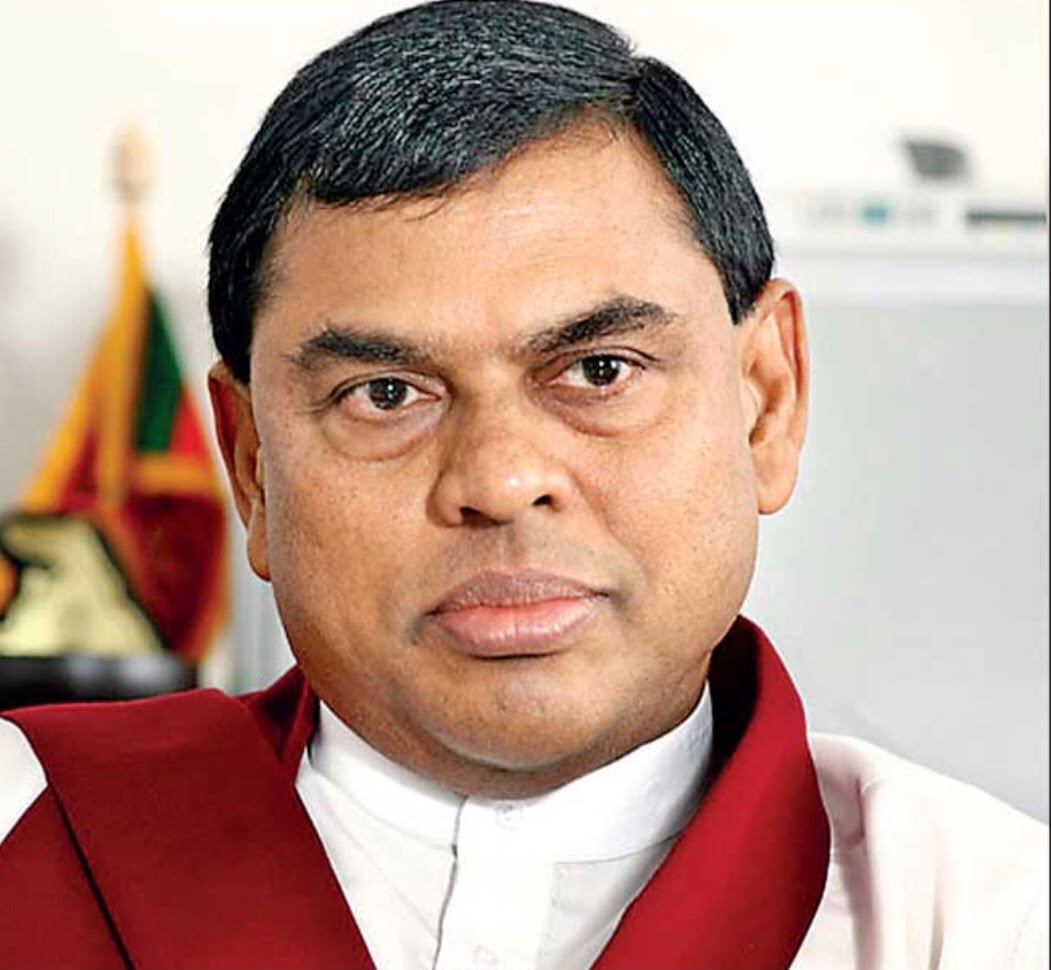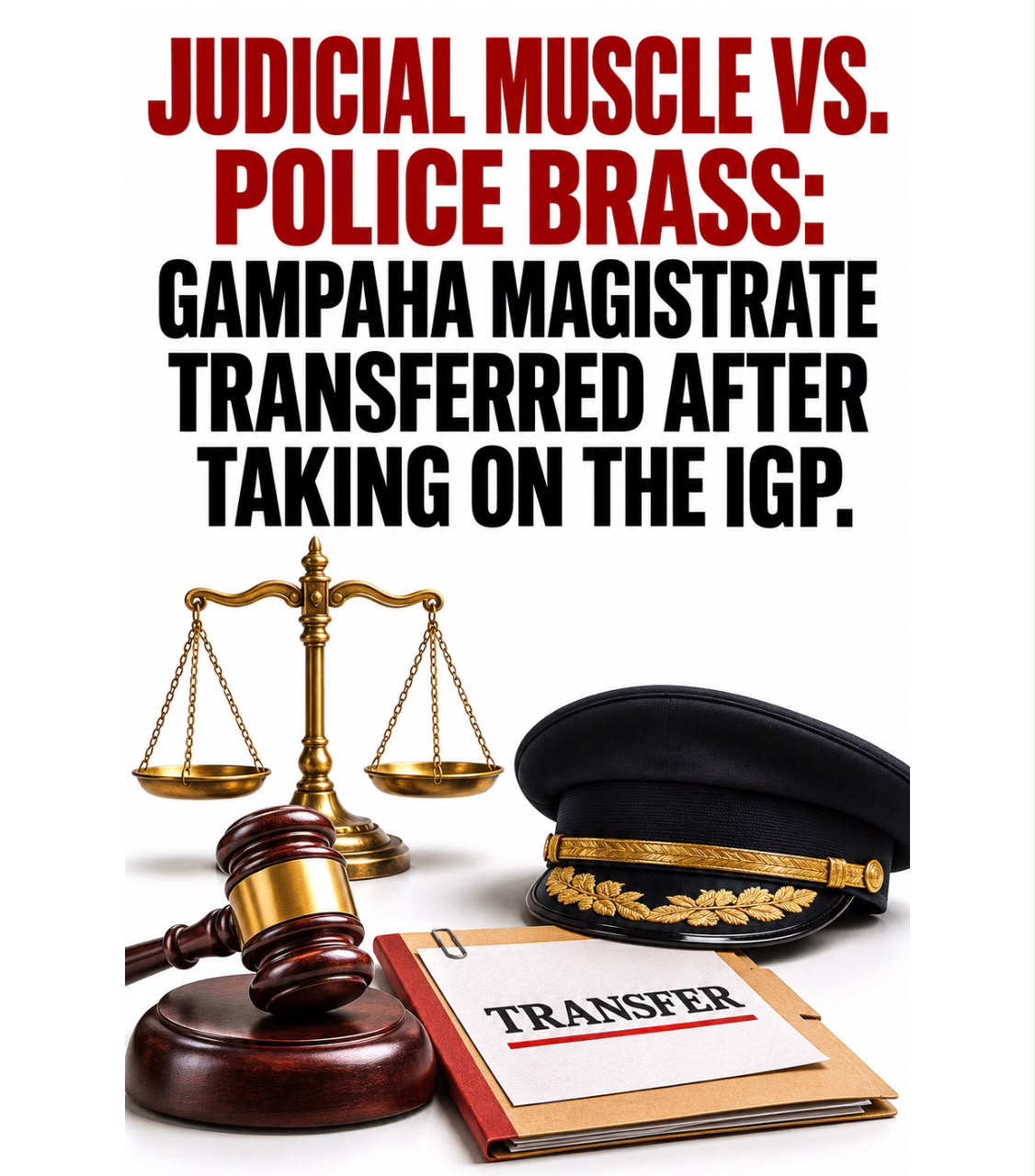
It appears that in Sri Lanka’s administrative ecosystem, questioning the police chief’s compliance with judicial orders turns out to be a quick route to an academic reassignment. Gampaha Magistrate Bandula Gunaratne, who recently made headlines by taking aim at Inspector General of Police (IGP) Priyantha Weerasooriya, found himself summarily transferred to the Judges’ Training Institute by order of Judicial Service Commission Secretary Prasanna Alwis.
The swift relocation came shortly after Magistrate Gunaratne submitted his formal observations regarding a counter-complaint lodged against him by the IGP. While official notices framing the transfer maintain an administrative polish, the timing leaves little doubt about the volatile friction behind the decision.
The feud began when Magistrate Gunaratne directed the police chief to issue a official circular instructing all law enforcement personnel to stop filing frivolous legal proceedings against innocent citizens. Giving the police hierarchy nearly five months to implement the directive, the Magistrate grew increasingly impatient as compliance stalled, eventually accusing the police leadership of attempting to mislead the bench.
Submit Your Press Release
Get your company news, announcements, launches, appointments and events in front of a wider audience.


Escalating the matter, Magistrate Gunaratne referred the case file directly to the President of the Court of Appeal to initiate formal contempt of court proceedings against the IGP, arguing that failing to enforce judicial instructions brought the administration of justice into disrepute.
Rather than quietly issuing the circular, the top brass fired back. The IGP lodged an official complaint against Magistrate Gunaratne with the Judicial Service Commission. When the Commission asked the Magistrate to respond, Gunaratne submitted his written observations. Almost immediately after the ink dried on those submissions, the order arrived removing him from the bench and sending him to the training institute.
When a local magistrate attempts to rein in systemic police overreach, the machinery moves with remarkable speed, not to enforce the original court directive, but to reshuffle the judge off the active bench.
Whether Magistrate Gunaratne’s lectures at the Judges’ Training Institute will include a module on the risks of holding the police chief accountable remains an open question. Meanwhile, the initial issue that started the entire fight, namely police officers hauling innocent citizens before the courts on baseless charges, remains as unaddressed as the ignored judicial circular itself.