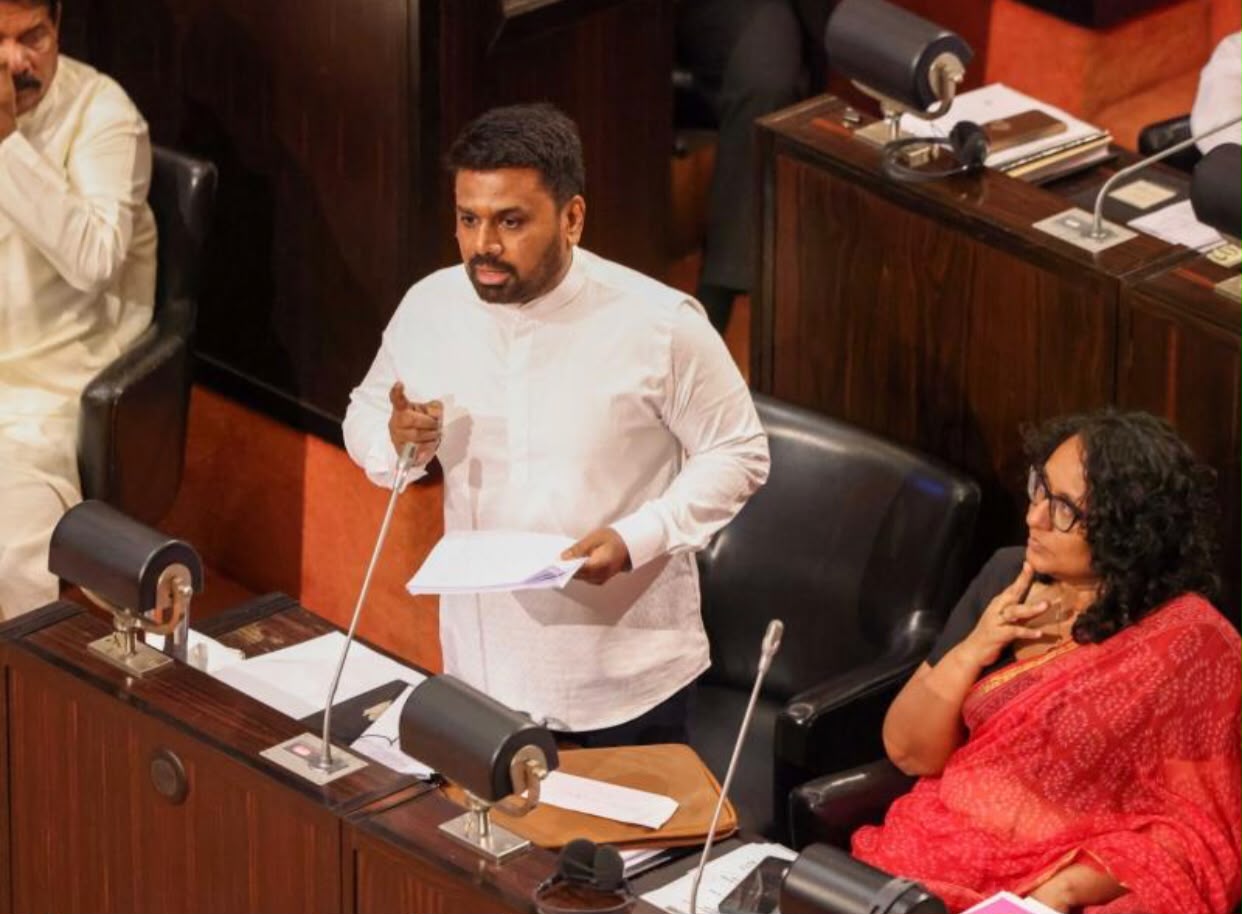
The 2027 Appropriation Bill has arrived in Parliament. Yet a more uncomfortable number sits behind the next Budget: capital expenditure has been running substantially behind allocation. Before asking Parliament for another year of money, the Government should explain why so much of this year’s money has been so difficult to spend.
Governments enjoy announcing budgets.
Budgets provide large numbers, ambitious programmes, ministerial speeches and attractive promises about roads, hospitals, schools, investment, technology and development. Spending the money effectively is rather less glamorous.
Submit Your Press Release
Get your company news, announcements, launches, appointments and events in front of a wider audience.


The 2027 Appropriation Bill has now been presented to Parliament, beginning the formal process through which the Government will obtain authority for expenditure during the next financial year and for the financing necessary to support it.
That is routine parliamentary business.
What should not become routine is weakness in actually executing capital expenditure.
Capital expenditure is not simply government consumption. Properly deployed, it is the part of public spending that builds things the country expects to use tomorrow: infrastructure, hospitals, irrigation, schools, transport networks, water systems, technology and other productive assets.
When a country is recovering from bankruptcy, capital expenditure becomes even more important.
Sri Lanka cannot borrow and spend as though 2022 never happened. Fiscal discipline is necessary. Debt sustainability matters. Revenue must be collected. Waste must be controlled.
But fiscal discipline and administrative paralysis are not the same thing.
If Parliament approves development expenditure and the Government subsequently cannot deploy it, the country faces a different problem. Money may exist on paper while projects remain unbuilt, contractors wait, reconstruction proceeds slowly and economic activity that should have been generated by public investment never materialises.
That also raises a question about capacity.
The NPP arrived in office promising not merely cleaner government but better government. Those are different objectives.
Stopping theft is essential. Eliminating unnecessary expenditure is desirable. Requiring procurement to withstand scrutiny is sensible. Making public officials accountable for the decisions they take is long overdue.
But a Government that becomes so afraid of making decisions that it cannot spend authorised development money has not solved the problem. It has merely changed its form.
There may be perfectly legitimate explanations for underspending. Procurement takes time. Projects may be delayed. Expenditure can accelerate sharply during the second half of a financial year. Some allocations may deliberately have been withheld until particular conditions were met.
Then tell the public.
Which capital allocations are behind schedule? Which ministries are responsible? Which projects have stalled? How much has now been spent? What percentage of the 2026 capital programme does the Government expect to complete before December 31?
Those are measurable questions.
Reconstruction expenditure deserves particular scrutiny because it carries a different urgency. When money has been allocated after natural disasters or other emergencies, delays are not simply accounting problems. Somewhere beyond the spreadsheet may be a damaged road, a displaced family, a school requiring repairs or a community waiting for infrastructure to be restored.
Sri Lanka has traditionally measured governments by the amount they allocate.
Perhaps it is time to measure them by the amount they competently deliver.
That principle should apply to the 2027 Budget from the beginning.
Every large capital allocation should have a timetable. Every major project should have measurable milestones. Parliament should be able to compare allocation with actual expenditure. The public should be able to see which ministry is performing and which one is sitting on money while announcing another programme.
The Government has one enormous advantage.
It has 159 seats in Parliament.
It does not face the parliamentary instability that has paralysed governments elsewhere. It does not need to bargain for every vote or wonder whether its Budget will survive.
That makes the responsibility greater, not smaller. There is also a wider economic consequence to underspending. Sri Lanka desperately needs investment. Private investment remains cautious. Foreign direct investment remains well below what the country requires. In that environment, intelligently targeted public capital expenditure can help create the conditions in which private investment follows.
Roads matter. Electricity matters. Ports matter. Water matters. Digital infrastructure matters. Efficient public transport matters. None of those things becomes economically useful because an allocation appears in a Budget speech.
They become useful when they are built.
The Appropriation Bill tells Sri Lanka how much the Government intends to spend.
The more revealing document would tell us how much it actually managed to spend, what the country received for it and why the rest remained unused.
In public finance, intentions are free. Delivery is what costs money.