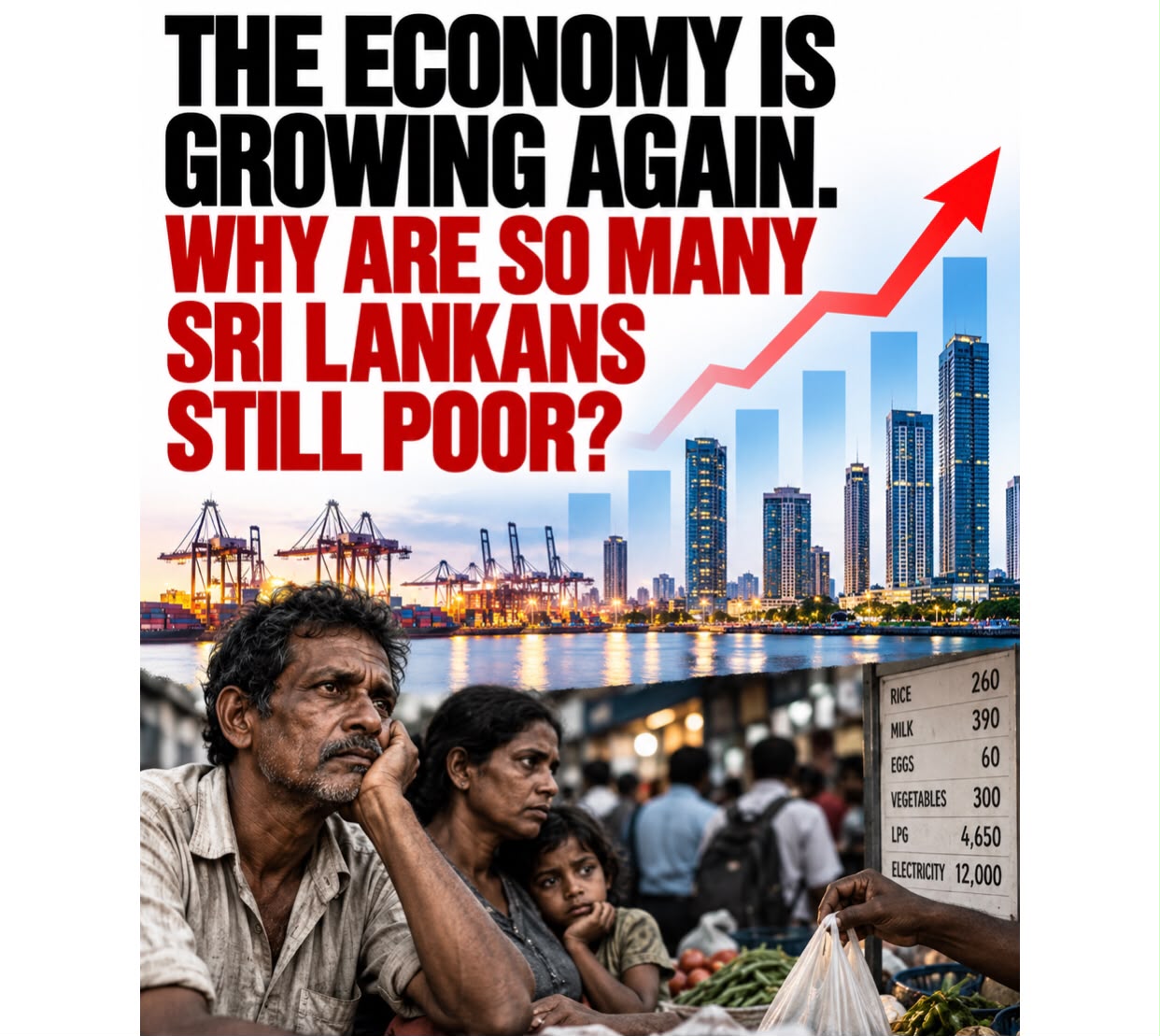
Sri Lanka’s recovery is now difficult to deny. Growth has returned, reserves have strengthened and another stage of the IMF programme has advanced. Yet poverty remains far above its pre-crisis level. The macroeconomy may be recovering considerably faster than the people living inside it.
There are two Sri Lankan economies at the moment.
One exists in spreadsheets.
Submit Your Press Release
Get your company news, announcements, launches, appointments and events in front of a wider audience.


Growth has returned. Foreign reserves have recovered from the terrifying levels reached during the crisis. Tourism has revived. Inflation was brought under control before subsequently rising again. Government revenue has improved. Debt restructuring has advanced. Sri Lanka has moved further through the IMF programme.
That is progress.
Pretending otherwise would be political rather than economic analysis.
Then there is the other Sri Lankan economy.
It exists at the supermarket checkout, inside the electricity bill, at the pharmacy, on the bus and around the kitchen table.
That economy asks a much simpler question: if the country is recovering, when do I recover?
This is the point at which economic statistics and political reality begin to separate.
GDP can grow without every household becoming better off. Foreign reserves can increase without a pensioner being able to afford medicine. Government revenue can improve while taxpayers feel poorer because part of that improvement comes from collecting more money from them.
None of this means the recovery is false.
It means recovery is not the same thing as restoration.
Sri Lankan households absorbed an extraordinary economic shock after 2022. Prices rose dramatically. Taxes increased. Electricity tariffs climbed. Interest rates hurt borrowers before eventually declining. The rupee lost substantial value. Real purchasing power was destroyed.
When inflation subsequently falls, prices do not normally return to where they were.
They simply stop rising as quickly.That distinction is frequently lost in political discussion.
A family that once bought something for Rs 1,000 and now pays Rs 1,600 does not feel richer because the price is rising by only 5 percent instead of 50 percent. The damage from the earlier increase remains embedded in the household budget.
That is why the Government should resist celebrating macroeconomic statistics without simultaneously confronting household economics.
The IMF programme was never intended to make everybody prosperous overnight. Its immediate purpose was to restore macroeconomic stability, rebuild fiscal credibility, restructure debt and prevent Sri Lanka from returning to the conditions that produced sovereign default.
Those objectives matter enormously.Without stability, poverty would probably be worse.
But stability must eventually create opportunity or it becomes politically unsustainable.
The next stage of Sri Lanka’s recovery therefore cannot simply be another round of revenue targets, reserve accumulation and fiscal ratios. Those remain necessary, but they are not sufficient.
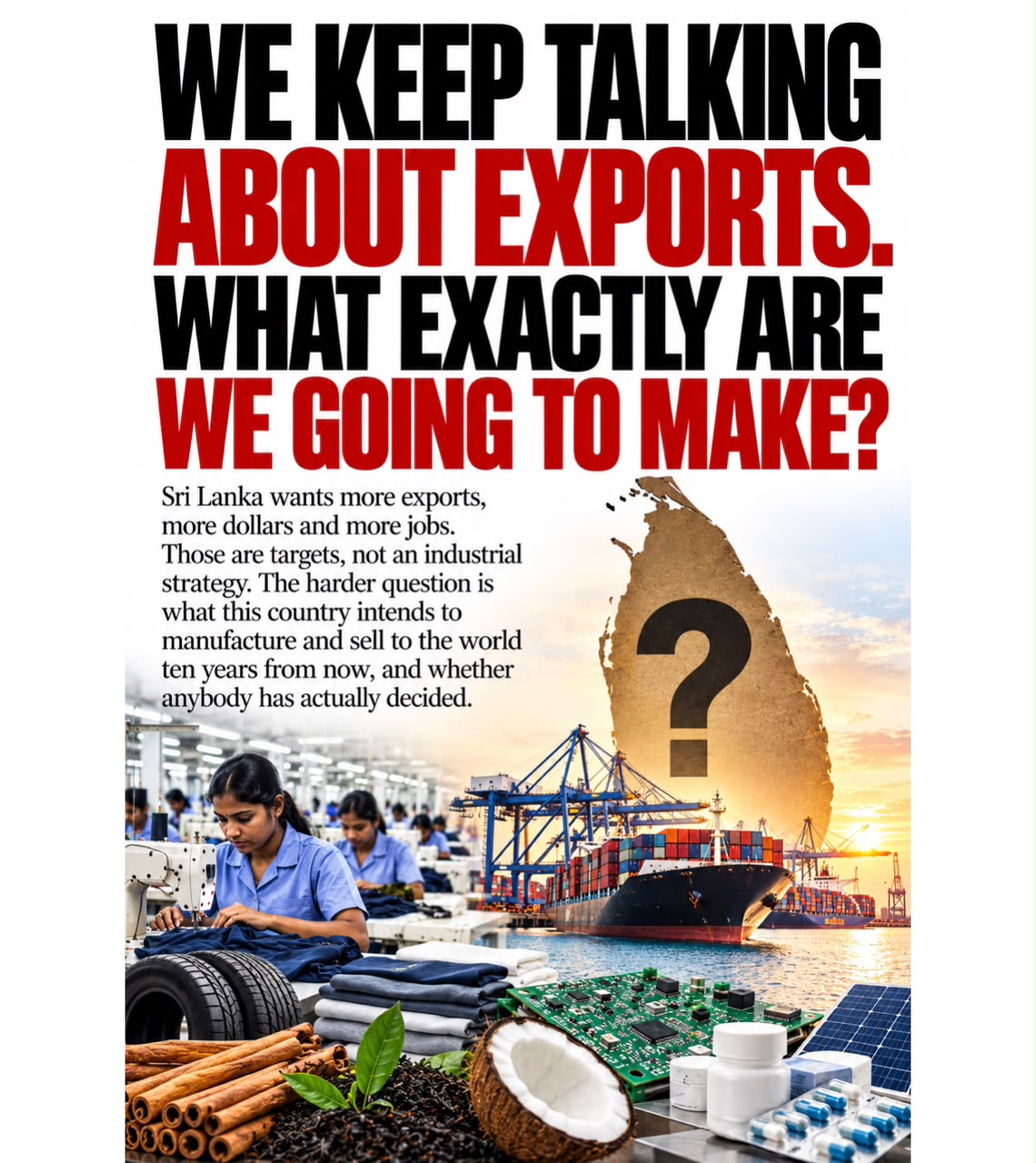
Where are the jobs? Where are the investments capable of producing higher wages? Where is the export strategy? Where is the productivity growth that allows businesses to pay people more without simply passing the cost into prices?
Where is the serious programme for small and medium businesses that survived the crisis but remain weakened by debt, taxes and reduced domestic demand? And where is the mechanism through which Sri Lanka intends to move families back above the poverty line rather than merely record that they remain below it?
President Dissanayake inherited a country that had already travelled some distance along the stabilisation path. His Government now owns the harder part of the journey.
Growth must become income. Investment must become employment. Education must become productivity. Government expenditure must become infrastructure. Taxes must become public services.
Otherwise the recovery will remain statistically impressive and politically fragile.
There is also a danger for the Opposition.
It would be equally foolish to claim that nothing has improved. Sri Lanka today is not the Sri Lanka of fuel queues, power cuts, empty reserves and sovereign default at the height of the crisis.
The serious argument is no longer whether recovery has begun. It has.
The argument is about what kind of recovery Sri Lanka is producing and who is participating in it.
Economic growth is good news. Stronger reserves are good news. Greater fiscal stability is good news. Completing the IMF programme successfully would be good news.
But none of those achievements should become an excuse for ignoring the household that has not recovered.
Sri Lanka went through one of the most severe economic collapses in its modern history. Repairing the Treasury was always going to be easier to measure than repairing the lives damaged by that collapse.
The Government will increasingly be judged by the second measure.
A recovering economy is ultimately supposed to produce recovering people.
Until it does, there are two Sri Lankas occupying the same island: the one appearing in the economic statistics and the one standing at the checkout wondering why recovery still feels so expensive.
Be that as it may.