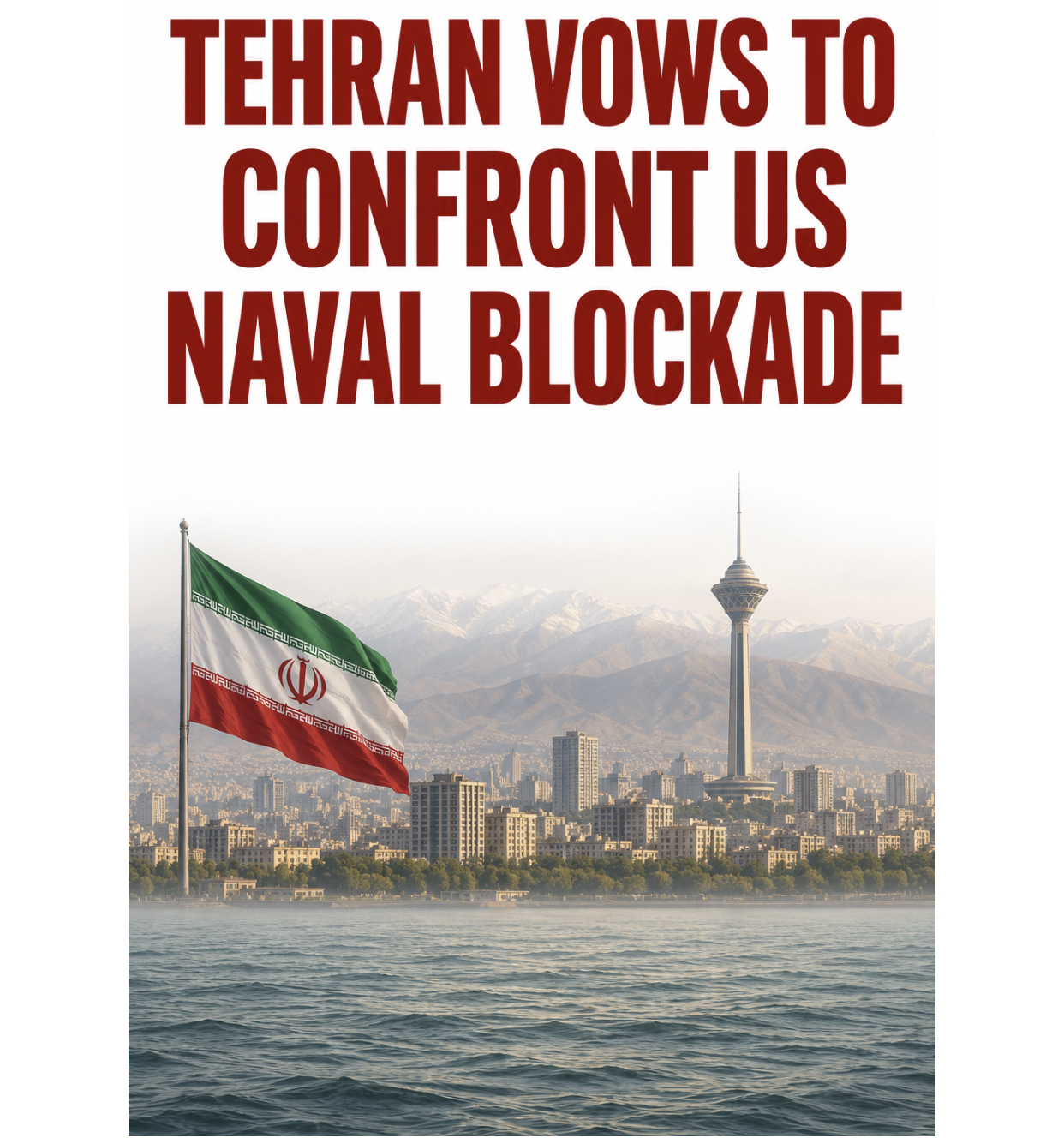
Iran says it will use every means available to confront the United States naval blockade on its oil exports. Foreign Ministry spokesperson Esmaeil Baghaei described the blockade on Monday as military aggression and said Iran reserved the right to defend itself. Washington imposed the blockade in April, lifted it in June after reaching a draft understanding with Tehran, and restored it in July after the understanding fell apart.
Tehran says reopening the Strait of Hormuz depends on Washington halting hostilities, lifting the blockade and waiving sanctions. Baghaei also dismissed as speculation reports that Iranian crude was being loaded for export. Visible Iranian crude exports have fallen close to zero in recent months under the blockade. A confirmed shipment would therefore attract close attention, although a single cargo would offer limited evidence about whether regular exports could resume.
The failed opening in June is central to the current dispute. It showed that Washington and Tehran could reach a preliminary understanding and briefly ease restrictions. It also showed how quickly the relief could be reversed. Any new agreement would need to spell out which measures each side would lift, when those changes would take effect and how each side could establish that the other had complied. Vague commitments are especially difficult for shipowners and insurers to act on when their decisions involve large contracts and the safety of crews.
Submit Your Press Release
Get your company news, announcements, launches, appointments and events in front of a wider audience.


Baghaei’s statement also makes clear that Tehran is treating its oil exports and the passage of other commercial shipping as connected issues in the negotiations. For an importing country, dependable movement through the strait matters even if it buys no Iranian crude. Buyers still need confidence that ships serving other Gulf suppliers can sail on predictable schedules, that companies can secure insurance and that contracts will be honoured.
Countries outside the dispute have an interest in asking for practical steps while the wider negotiations remain unresolved. A dependable channel for reporting incidents at sea, clear notices to commercial operators and agreed procedures for assisting crews in distress would address immediate needs. Such measures would require cooperation across governments and maritime authorities. They could also give both sides a way to reduce risks to civilian shipping while they continue to disagree over the blockade and sanctions.
The development to watch is whether either government offers a proposal with a sequence the other can accept. An agreement that starts with limited steps should specify what those steps cover and when wider relief becomes available. Importers will judge a diplomatic opening by whether ships can move regularly and contracts can be priced with some confidence. Until that happens, the gap between a government statement and a dependable commercial sailing remains considerable.