University of Moratuwa team opens the door to faster legal research and digital preservation
Two young Sri Lankan researchers have developed an artificial intelligence system that could fundamentally change how lawyers, judges, journalists and historians search Sinhala legal documents.
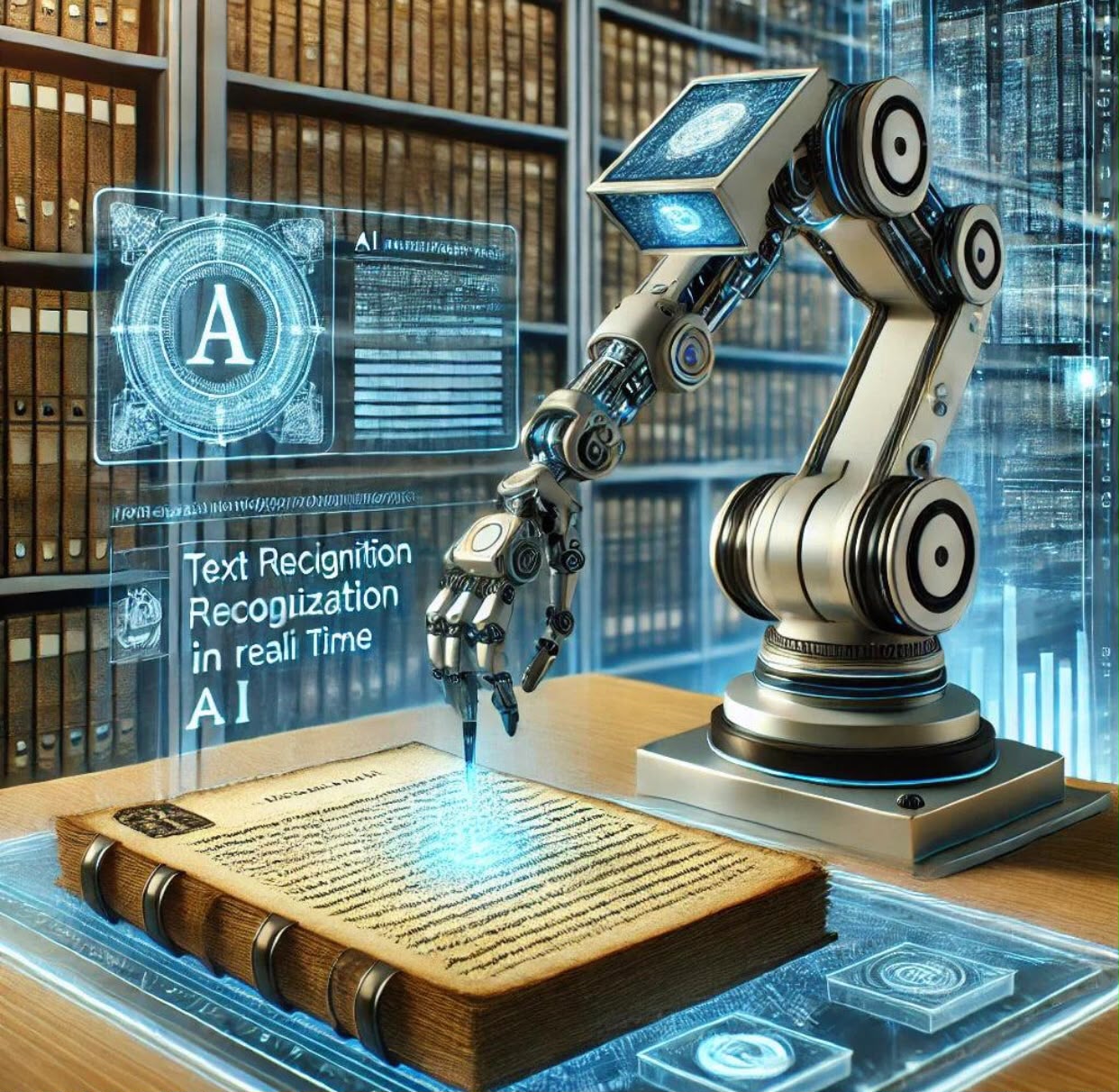
Avisha Dilhara and Nevidu Jayatilleke of the Department of Computer Science and Engineering at the University of Moratuwa have created an advanced Sinhala Optical Character Recognition (OCR) system capable of reading printed legislative documents with remarkable accuracy.
Submit Your Press Release
Get your company news, announcements, launches, appointments and events in front of a wider audience.


Their research addresses a longstanding challenge faced by anyone working with Sri Lanka’s legal archives. Thousands of Acts of Parliament, Gazettes and historical government publications exist only as printed volumes or scanned images, making them difficult to search electronically.
To overcome that problem, the researchers assembled and annotated more than 1,000 pages of Sri Lankan legislation, training modern artificial intelligence models to recognise Sinhala text across publications spanning several decades.
The results are impressive. Their best-performing model achieved a character error rate of approximately 1.05 per cent, outperforming several widely used OCR systems when tested on ageing legal documents.
The implications extend well beyond academic research.
For the legal profession, searchable legislation could significantly reduce research time. Journalists would gain quicker access to historical statutes and parliamentary material.
Government departments could digitise archives more efficiently, while universities and libraries would have new tools to preserve Sri Lanka’s documentary heritage.
Perhaps most significantly, the project demonstrates that Sri Lankan researchers are contributing to the global development of artificial intelligence rather than merely adapting technologies created elsewhere.
At a time when AI is reshaping access to knowledge worldwide, ensuring that Sinhala is fully represented in the digital age may prove to be one of the country’s most valuable technological achievements.
Research by Avisha Dilhara and Nevidu Jayatilleke, Department of Computer Science and Engineering, University of Moratuwa.