Sri Lanka’s current account has reportedly slipped into deficit for a fourth consecutive month. Imports are climbing, the trade gap is widening and fuel and vehicles are consuming billions of dollars. The crisis may be behind us but some of the habits that helped create it appear to be returning.
Sri Lanka spent the past few years painfully rebuilding its external finances after the country effectively ran out of usable foreign exchange. Reserves were rebuilt, imports were controlled, the rupee stabilised and the current account moved into surplus. Now some of those numbers are beginning to move in the opposite direction.
The current account recorded a deficit of around US$142 million in July, according to figures reported from Central Bank data, making it the fourth consecutive monthly deficit. For the first seven months of the year, the cumulative current-account position was reportedly approximately US$387 million in deficit, compared with a surplus during the corresponding period last year.
Submit Your Press Release
Get your company news, announcements, launches, appointments and events in front of a wider audience.


The more striking number may be the merchandise trade deficit. It reportedly widened from approximately US$3.9 billion during January–July last year to about US$6.5 billion in the same period this year. That is an increase of roughly US$2.6 billion in seven months.
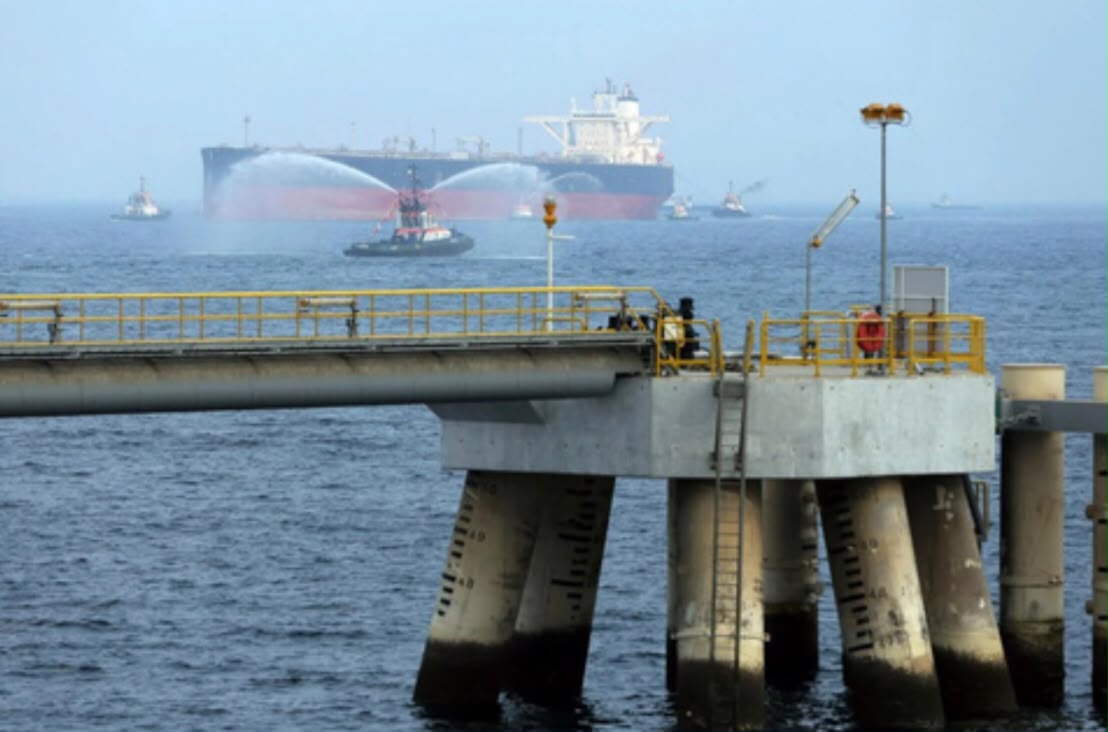
Fuel has played a substantial part. Sri Lanka’s fuel import bill for the first seven months reportedly climbed to around US$3.62 billion, almost 60 per cent higher than a year earlier. Vehicle imports, restored after years of restrictions, accounted for approximately another US$1.5 billion.
None of this means Sri Lanka is about to repeat 2022. The circumstances are substantially different, foreign reserves have recovered and the economy has undergone painful fiscal and monetary adjustment. But the figures do raise a question that should not be dismissed merely because today’s position is stronger than it was four years ago.
Sri Lanka’s problem was never simply that it did not earn dollars. It was also extraordinarily good at spending them.
The reopening of vehicle imports was necessary at some point and fuel imports cannot simply be wished away. A recovering economy will naturally import more machinery, intermediate goods, consumer products and energy. Rising imports can therefore be evidence of economic activity rather than economic failure.
But that makes the composition of those imports crucial. If additional foreign exchange is financing investment and productive capacity that generates tomorrow’s exports, the equation is defensible. If it is principally financing consumption, Sri Lanka may once again be increasing its demand for dollars faster than its ability to earn them.
That distinction matters enormously under the IMF programme and after sovereign default. Sri Lanka no longer has the luxury of discovering an external imbalance only after reserves have disappeared.
The Government therefore needs to explain what lies behind four consecutive months of current-account deficits, whether it regards the widening trade gap as temporary and what its projections show for the remainder of 2026.
The question is not whether Sri Lanka should close the economy again. It should not. Nor is the answer another arbitrary import ban whenever the numbers become uncomfortable.
The challenge is considerably harder: build an economy capable of paying for what it imports.
Sri Lanka survived one foreign-exchange catastrophe at enormous social cost. Be that as it may, survival is not the same thing as reform. If the country is once again beginning to spend foreign exchange faster than it earns it, the time to ask why is now not when the dollars begin running out.