
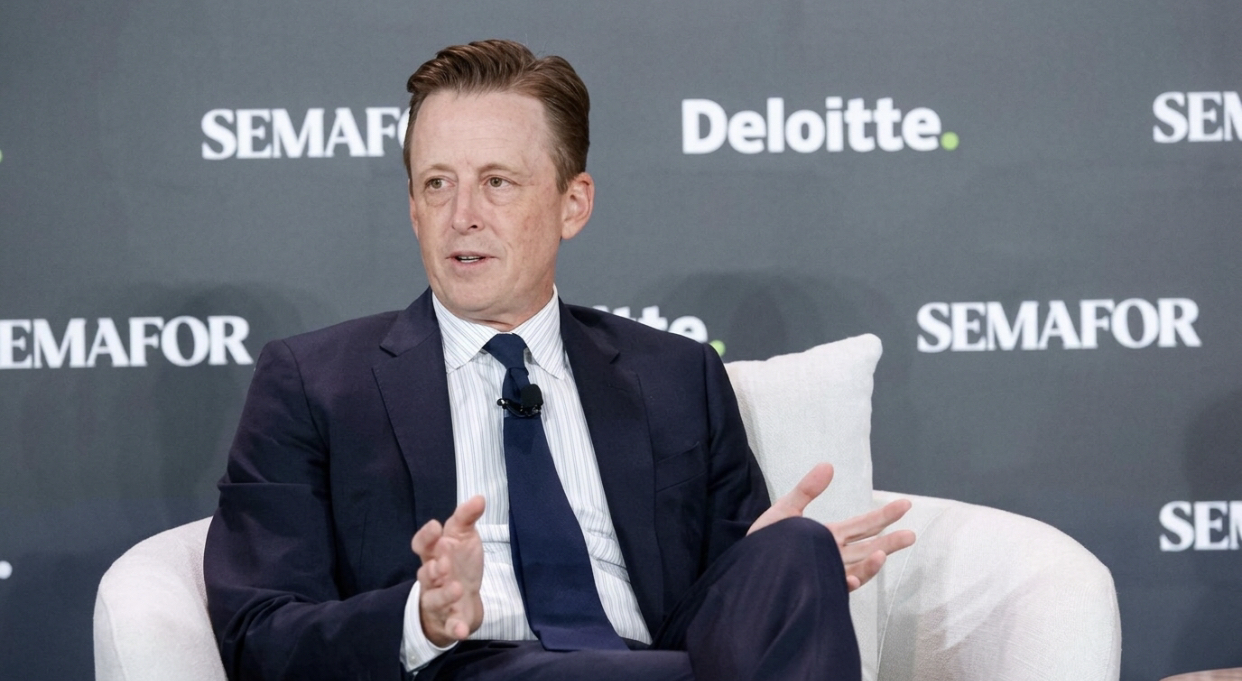
When an entire “superpower” spends a week watching its air traffic grind to a halt, its banking transactions stall, and even its premier intelligence agency suffer an internal communications blackout, somebody in Washington eventually has to take the fall. Late Thursday, November 19, and into Friday morning, that fall guy turned out to be White House National Cyber Director Sean Cairncross, whose abrupt exit underscores a glaring reality about modern national security: political loyalty is a poor substitute for technical competence when the servers start smoking.
According to multiple reports in Washington, Cairncross’s removal was orchestrated by White House Chief of Staff Stephen Miller with the full backing of President Donald Trump, amid growing frustration inside the West Wing that the nation’s top cybersecurity coordinator lacked the technical credentials required to navigate a crisis. Confirmed by the Senate in August 2025, Cairncross arrived at the Office of the National Cyber Director with a resume steeped in partisan machinery rather than network architecture, having previously served as chief operating officer of the Republican National Committee and a senior political adviser during Trump’s first term. When America’s digital plumbing began bursting simultaneously across multiple sectors over the past seven days, the limits of putting a political operative in charge of cyber resilience became painfully obvious.
To replace him, the administration turned to Pentagon Chief Information Officer Kirsten Davies, who steps in as acting national cyber director. Unlike her predecessor, Davies brings a deep private-sector and defense technology pedigree, having held senior information security roles at global corporations including Unilever, Estée Lauder, Hewlett Packard Enterprise, and Siemens before taking charge of Defense Department networks earlier this year. Both Secretary of State Marco Rubio and Defense Secretary Pete Hegseth quickly endorsed her appointment on social media, with Davies herself warning that the nation stands at a crossroads of analog, digital, and quantum technologies requiring urgent modernization.
Submit Your Press Release
Get your company news, announcements, launches, appointments and events in front of a wider audience.


Yet the timing of Cairncross’s ouster raises an unavoidable question that official talking points struggle to reconcile. For days, senior administration figures, including Rubio and top intelligence officials, insisted that the cascading wave of disruptions since November 12 was merely a string of unrelated technical glitches. That week saw a twenty-four-hour Microsoft 365 failure, a four-hour Federal Aviation Administration nationwide ground stop that stranded thousands of travelers, payment delays at JPMorgan Chase, Apple service interruptions, and a puzzling network degradation at the National Security Agency on Tuesday. Even President Trump brushed off the chaos earlier in the week by remarking that things like that happen.
If everything truly was fine and routine maintenance was the sole culprit, why fire the nation’s top cyber official in the middle of the night? Whether caused by hostile actors or sheer systemic fragility across aging infrastructure, the November meltdown exposed a dangerous vulnerability at the heart of the American economy. With Democrats set to assume control of the Senate in January following this month’s midterm elections, Davies faces an uphill confirmation battle ahead, tasked with proving that Washington can finally fix its digital foundations before the next warning light flashes red.



