Sri Lanka is once again entering a period of growing political uncertainty as economic pressures, public frustration and internal divisions begin testing the durability of the current administration. Although the country has avoided the complete financial collapse witnessed in 2022, analysts warn that the recovery remains fragile and politically vulnerable.
The government continues to depend heavily on IMF-backed reforms to stabilize public finances, rebuild foreign reserves and restore international confidence. However, the social cost of those reforms is increasingly visible across the country. Rising taxes, electricity tariff hikes, high living expenses and weak wage growth have created growing dissatisfaction among middle-class and working-class communities already exhausted by years of economic hardship.
Political observers say the situation now resembles the early warning signs seen during the final phase of Gotabaya Rajapaksa’s presidency, when public frustration slowly evolved into a nationwide political crisis. While the current administration has managed to restore a degree of macroeconomic stability, critics argue that economic recovery without political legitimacy may not be sustainable in the long term.

The memory of the 2022 uprising still dominates Sri Lankan politics. The collapse of the Rajapaksa administration exposed the dangers of delayed economic decisions, poor communication and the failure to build broad political consensus during a national crisis. Many analysts now believe that future governments will require coalition-style governance and experienced negotiators capable of balancing economic reforms with political survival.
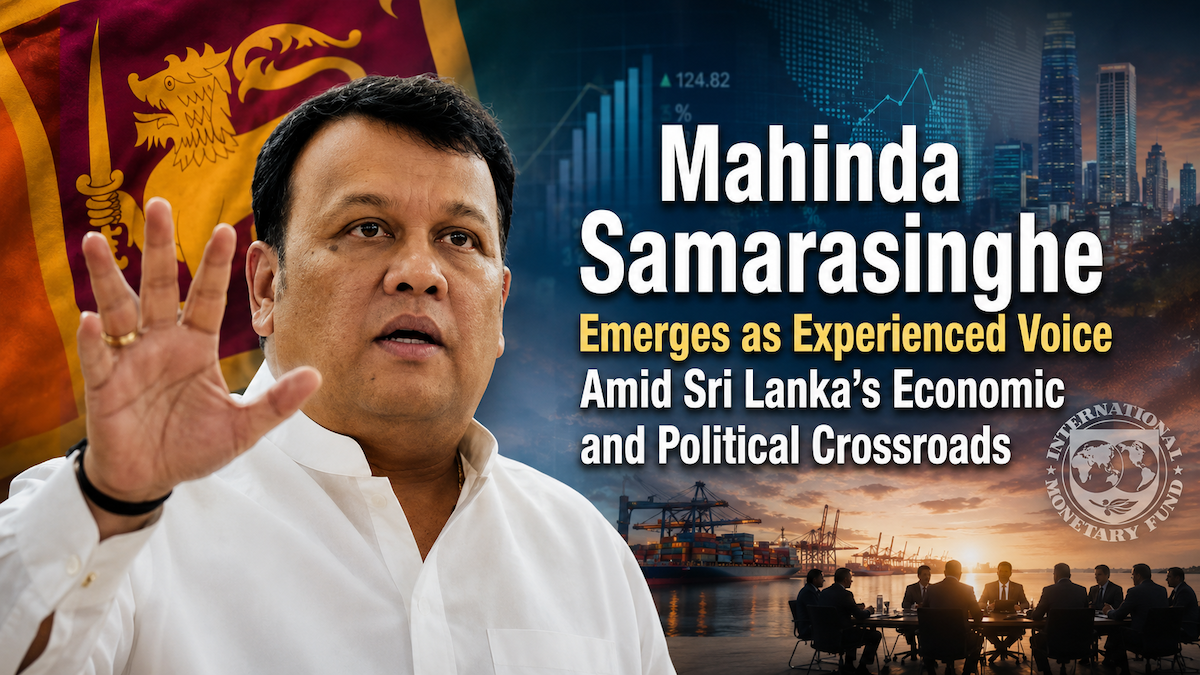
In that context, attention is increasingly shifting toward senior political figures with international credibility and administrative experience. Veteran diplomat and former minister Mahinda Samarasinghe is among the names being discussed more frequently in political and diplomatic circles due to his experience dealing with international institutions and foreign governments during previous crises.
Having served under administrations led by Mahinda Rajapaksa, Ranil Wickremesinghe and Gotabaya Rajapaksa, Samarasinghe is viewed by some analysts as one of the few figures capable of maintaining working relationships across rival political camps. His background in diplomacy, labour relations and international negotiations is seen as particularly relevant as Sri Lanka continues managing IMF obligations and trade-related discussions with Western partners.
The government’s ability to survive may ultimately depend on whether it can maintain public patience while implementing painful economic reforms. Reuters recently reported that Sri Lanka remains engaged in critical IMF review discussions tied to fiscal reforms and debt restructuring commitments. Any slowdown in exports, foreign investment or tourism could place additional pressure on an already strained economy.
At the same time, the political opposition remains fragmented. While there is dissatisfaction toward the current administration, there is also uncertainty about who can realistically govern during another economic emergency. This vacuum has created space for both traditional political actors and new nationalist figures to position themselves ahead of future elections.
Namal Rajapaksa continues efforts to rebuild support among younger nationalist voters while attempting to restore the Rajapaksa political brand after the events of 2022. Meanwhile, businessman and media entrepreneur Dilith Jayaweera is increasingly being viewed as a potential alternative political force appealing to sections of the urban middle class and business sector.
The role of Ranil Wickremesinghe also continues to divide opinion. Supporters argue that his willingness to assume leadership during the height of the economic collapse helped prevent total state failure. Critics, however, maintain that the IMF recovery programme stabilized institutions without fully addressing the deeper social and political anger that triggered the crisis in the first place.
Political analysts believe the next election cycle could become one of the most consequential in Sri Lanka’s modern history. Unlike previous elections dominated purely by personality politics, the coming contest may revolve around which leadership group can convince the public that it can manage economic recovery without triggering another national breakdown.
For now, Sri Lanka remains caught between economic stabilization and political uncertainty. The immediate collapse has been avoided, but the underlying vulnerabilities that led to the crisis debt dependence, weak governance, declining public trust and political fragmentation remain unresolved. As pressure grows, the demand for experienced leadership and broader political cooperation is once again becoming central to the national conversation.