Madras High Court dismisses challenge after party leadership condoned cross-voting that helped sustain Vijay’s minority government
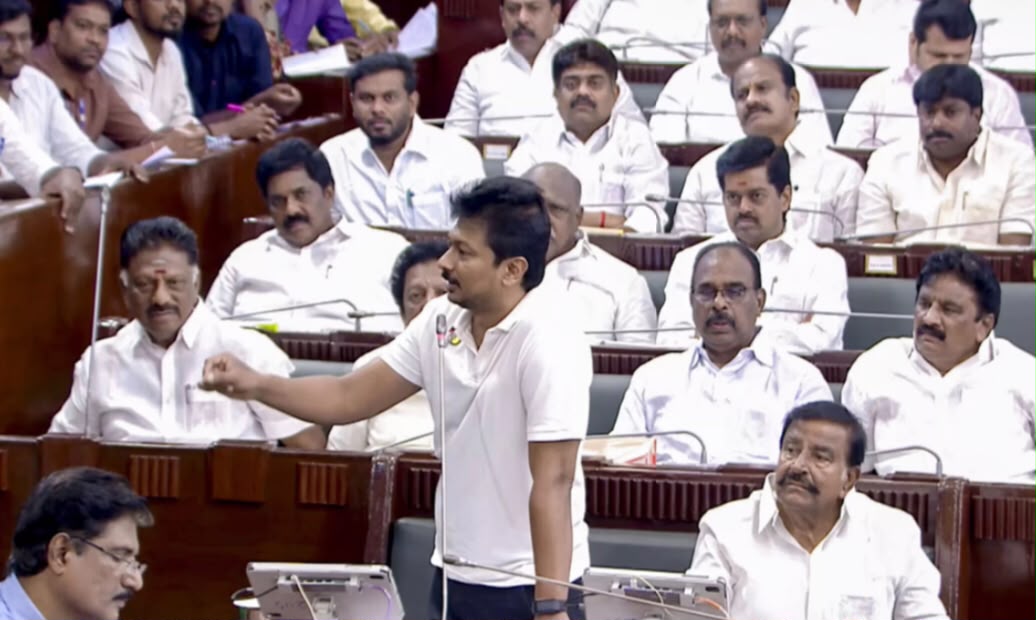
The Madras High Court has dismissed a public-interest petition challenging the Tamil Nadu Assembly Speaker’s decision to end disqualification proceedings against 21 AIADMK legislators who voted in support of Chief Minister Vijay’s government.
The legislators had defied an AIADMK whip during the confidence motion and supported the Tamilaga Vettri Kazhagam administration.
Submit Your Press Release
Get your company news, announcements, launches, appointments and events in front of a wider audience.


The petition argued that the MLAs had already violated the party whip and that their conduct could not subsequently be erased through political forgiveness. It asked the Court to quash a June 9 communication issued by the Assembly Secretary and direct the Speaker to revive the disqualification proceedings.
A bench comprising Chief Justice Sushrut Arvind Dharmadhikari and Justice G. Arul Murugan dismissed the challenge.
The AIADMK’s general secretary had withdrawn the request for action after the 21 legislators expressed regret and submitted written apologies. The Speaker then dropped the proceedings against them.
Four other AIADMK legislators who resigned and joined the ruling TVK were treated separately.
The judgment carries consequences beyond the immediate fate of the 21 members. Vijay’s administration began as a minority government and depended upon support from legislators outside the TVK-led bloc. The cross-votes were therefore crucial to its survival.
India’s anti-defection law is intended to prevent elected representatives from casually abandoning the mandate under which they entered the legislature. Yet the law also gives political parties considerable power over whether a breach is pursued, forgiven or strategically ignored.
In this instance, the AIADMK leadership chose condonation rather than expulsion. The Court has declined to compel the Speaker to continue proceedings after the party itself withdrew its complaint.
The legal dispute may have been closed. The political question remains.
Were the legislators forgiven because the party genuinely accepted their apologies-or because continued action no longer suited the AIADMK’s evolving relationship with the Vijay Government?