Traffic through world’s most important oil artery falls to single digits as U.S. pressure on Iran intensifies, Tehran threatens retaliation and crude prices rise for a second week
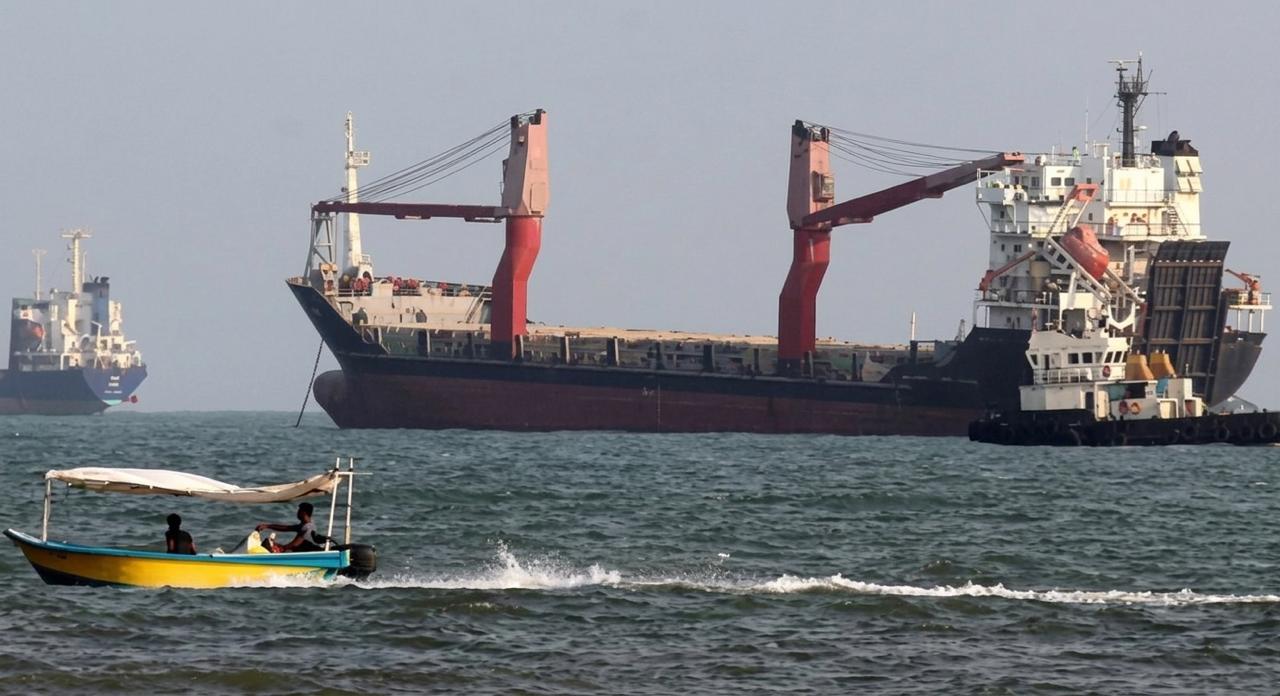
DUBAI/WASHINGTON – The extraordinary disruption of shipping through the Strait of Hormuz deepened yesterday, with tracking data showing only seven commodity vessels passing through a waterway which routinely handled more than 130 commercial ships a day before the conflict, as the confrontation between the United States and Iran again pushed oil prices higher and threatened further consequences for the global economy.
Ship-tracking data compiled by Kpler showed four commodity vessels entering the Strait and three leaving on Thursday, down from 14 movements the previous day. Significantly, there were no very large crude carriers or LNG tankers among the recorded transits, illustrating the continuing reluctance of major energy shipping to navigate waters which before the conflict carried close to one-fifth of internationally traded oil and liquefied natural gas.

The collapse in normal traffic has transformed the Strait from an important geopolitical pressure point into an immediate economic problem. Hormuz is the narrow maritime exit from the Persian Gulf through which the oil and gas exports of several of the world’s largest energy producers traditionally reach international markets, leaving importing economies exposed whenever shipping is interrupted.
Oil markets are already reflecting that risk. Brent crude was trading around USD 94 a barrel on Friday and was heading for a second consecutive weekly increase, while U.S. West Texas Intermediate was close to USD 87. The gains followed renewed American pressure on Tehran, reduced Iranian exports and growing concern that further escalation could produce additional attacks on shipping or energy infrastructure.
Washington has intensified its campaign against Iran with Treasury Secretary Scott Bessent promising still tougher sanctions and the United States seeking to restrict Tehran’s principal economic lifeline, its oil exports. Iran, meanwhile, has warned that further American pressure could produce what its military leadership described as a devastating response across multiple domains, raising the danger that an economic confrontation could again spill into wider military action.
The blockade is also beginning to alter the international oil trade. Iranian crude available to Chinese buyers has fallen sharply, with China’s independent refiners looking increasingly towards alternative supplies from countries including Iraq and Brazil. Iranian shipments have declined substantially from their 2025 levels, while barrels which traditionally traded at discounts have become scarcer as American pressure restricts Tehran’s ability to move oil.
Washington and Tehran continue to offer competing descriptions of the status of Hormuz, but the movement of commercial shipping provides a more useful measure than political terminology. Whether the Strait is described as closed, blockaded, restricted or technically open matters considerably less to an oil company whose tanker owner, insurer or crew is unwilling to make the journey.
The consequences reach directly into Asia, which remains heavily dependent on Gulf energy. Higher crude prices affect transport, manufacturing and electricity costs, while increased maritime insurance premiums and longer alternative voyages eventually appear in the prices paid by businesses and consumers.
Sri Lanka has particular reason to watch developments closely. The country imports the overwhelming majority of its petroleum requirements and is simultaneously attempting to rebuild foreign reserves towards the Government’s USD 9 billion year-end target. A prolonged period of oil trading around or above present levels would increase the country’s import bill and could eventually exert pressure on domestic fuel prices, inflation and the exchange rate.
The political difficulty is that neither Washington nor Tehran presently appears prepared to make the concessions necessary for a durable settlement. Previous attempts to establish workable arrangements have failed to restore normal commercial navigation, while military threats and economic sanctions continue to narrow the space available for diplomacy.
For the international economy, the most revealing statistic is therefore not contained in a speech from Washington or Tehran. A waterway which once accommodated more than 130 commercial vessels a day recorded only seven commodity ships on Thursday, and until that number begins moving decisively in the opposite direction, the Strait of Hormuz will remain one of the greatest immediate risks confronting the world economy.