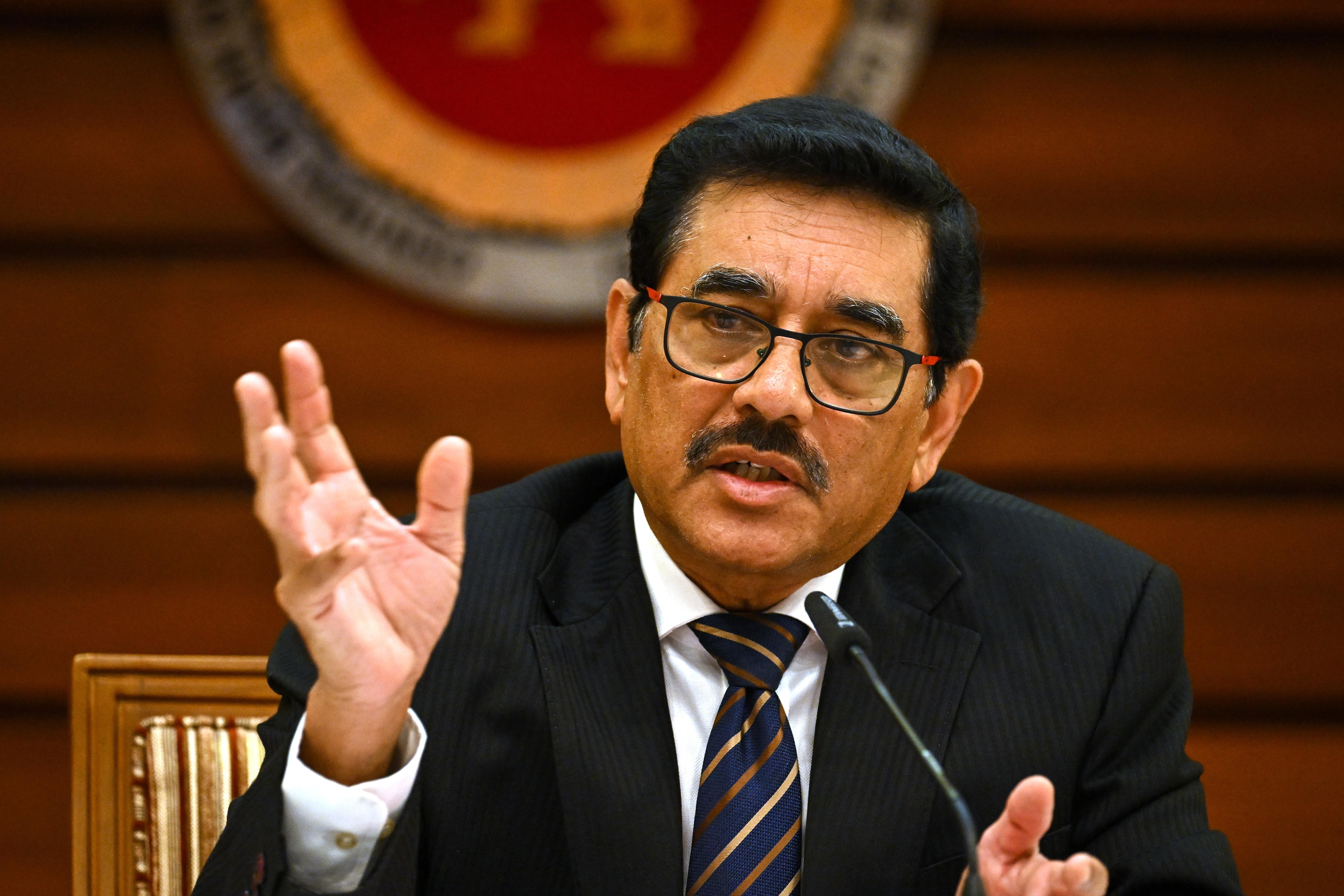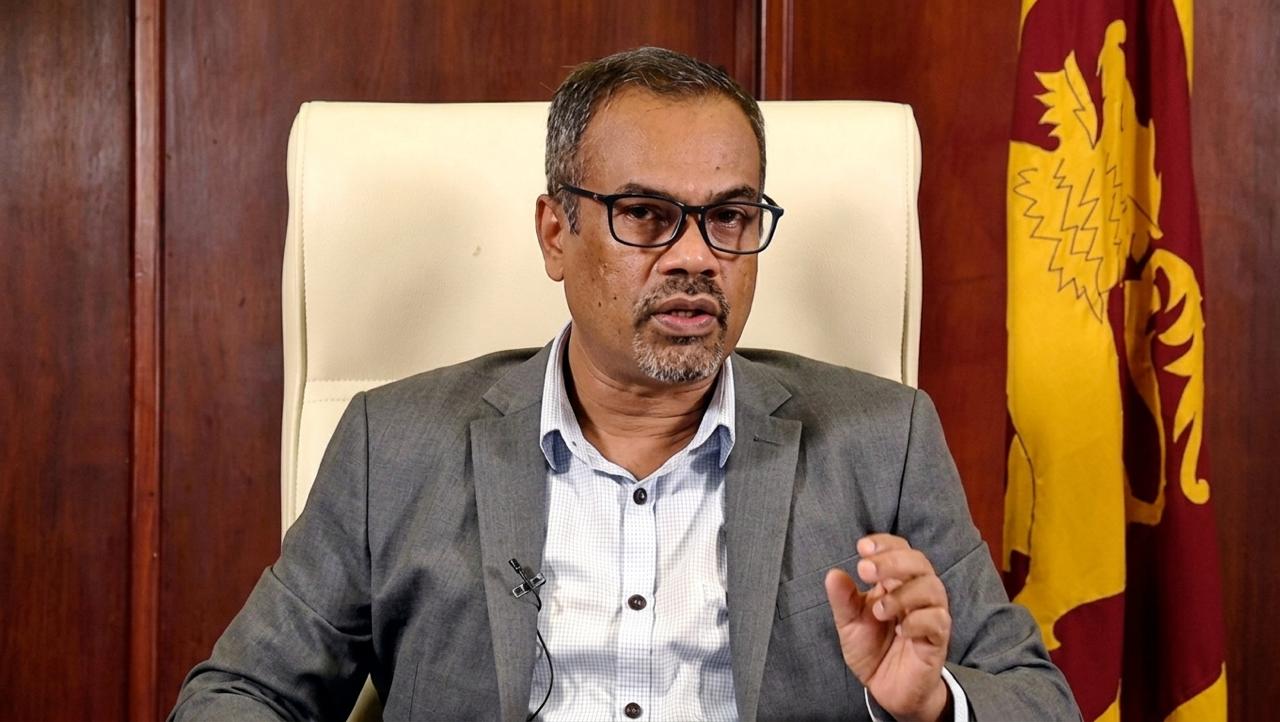
Prof. Anil Jayantha Fernando says Sri Lanka can accumulate USD 9 billion in foreign reserves by the end of this year. Every Sri Lankan, regardless of political persuasion, should hope that he is right, because a reserve position of that size would mark another important stage in the country’s recovery from the extraordinary economic humiliation of 2022.
There is little sense in wishing economic failure upon one’s own country merely because somebody else occupies government. If reserves strengthen, tourism grows, remittances increase and investment begins arriving in meaningful quantities, the benefits ultimately belong to Sri Lanka rather than to the NPP, just as the consequences of another economic collapse would be borne by the population rather than merely by the politicians responsible for managing the economy.
The danger begins when improving numbers encourage governments to forget how quickly those numbers can change. Sri Lanka did not suddenly wake up one morning in 2022 and discover that its dollars had disappeared. The crisis was built over years during which governments spent beyond their means, accumulated debt, maintained policies which could not be sustained and repeatedly postponed politically difficult reforms until arithmetic eventually defeated politics.

What followed should remain permanently embedded in the country’s institutional memory. Fuel vessels waited offshore because dollars could not readily be found to pay for their cargoes, cooking-gas queues stretched across towns, medicines became difficult to obtain and lengthy electricity cuts disrupted homes and businesses. Sri Lanka eventually suspended servicing its foreign debt because the country had reached the point where promises could no longer compensate for the absence of money.
The recovery since then deserves acknowledgement. Shortages have disappeared, economic activity has returned, foreign reserves have strengthened, tourism has recovered and remittances are providing billions of dollars. Vehicle imports have resumed and Sri Lanka can once again conduct much of the ordinary international commerce which became extraordinarily difficult during the worst months of the crisis.
That improvement, however, cannot become permission to return to the habits which produced the collapse. Every government faces legitimate demands for higher salaries, cheaper electricity, agricultural support, tax concessions, infrastructure and increased welfare. Each request can appear reasonable when considered individually, while their combined cost can still exceed what the State can sustainably afford.
Sri Lanka must also remember that the present recovery exists within the breathing space created by sovereign-debt restructuring. Restructuring changed the timing and terms of the country’s obligations; it did not cause the debt itself to disappear. Larger repayments lie ahead, and the reserves accumulated today will eventually have to coexist with a substantially heavier external debt-servicing burden.
That is why USD 9 billion should be treated as a milestone rather than a destination. The more important questions are whether Sri Lanka can subsequently reach USD 10 billion, USD 12 billion and perhaps the USD 15 billion which former President Ranil Wickremesinghe argues will eventually be required. Achieving that will depend upon expanding exports, increasing tourism receipts and attracting the scale of foreign direct investment which successive governments have promised but Sri Lanka has rarely delivered.
It will also require the Government to confront some uncomfortable structural questions. Port City cannot remain primarily an impressive piece of reclaimed land while competing financial centres process investments more quickly. Exporters cannot indefinitely be asked to navigate bureaucracy which competitors elsewhere in Asia do not face, while tourism cannot achieve its potential if promotion, aviation, visas and infrastructure repeatedly operate independently of one another.
Prof. Anil Jayantha has nevertheless done something useful by placing a measurable target before the country. If reserves reach USD 9 billion by December, the Government will be entitled to point to an important economic achievement, and its critics should be capable of acknowledging it.
Be that as it may, the greater achievement will be protecting those reserves after they have been accumulated. Sri Lanka’s most important economic lesson from 2022 is not simply how the country escaped bankruptcy, but how remarkably easy successive governments made the journey towards it.