India and Asian Development Bank sign major financing agreement to modernise water and sewerage infrastructure in a city which has experienced both devastating floods and frightening shortages
CHENNAI – India and the Asian Development Bank signed a USD 230 million loan agreement yesterday to modernise and expand Chennai’s water and sanitation infrastructure, placing substantial new financing behind efforts to solve one of the most persistent contradictions confronting the Tamil Nadu capital: a city capable of experiencing severe water shortages and devastating floods.
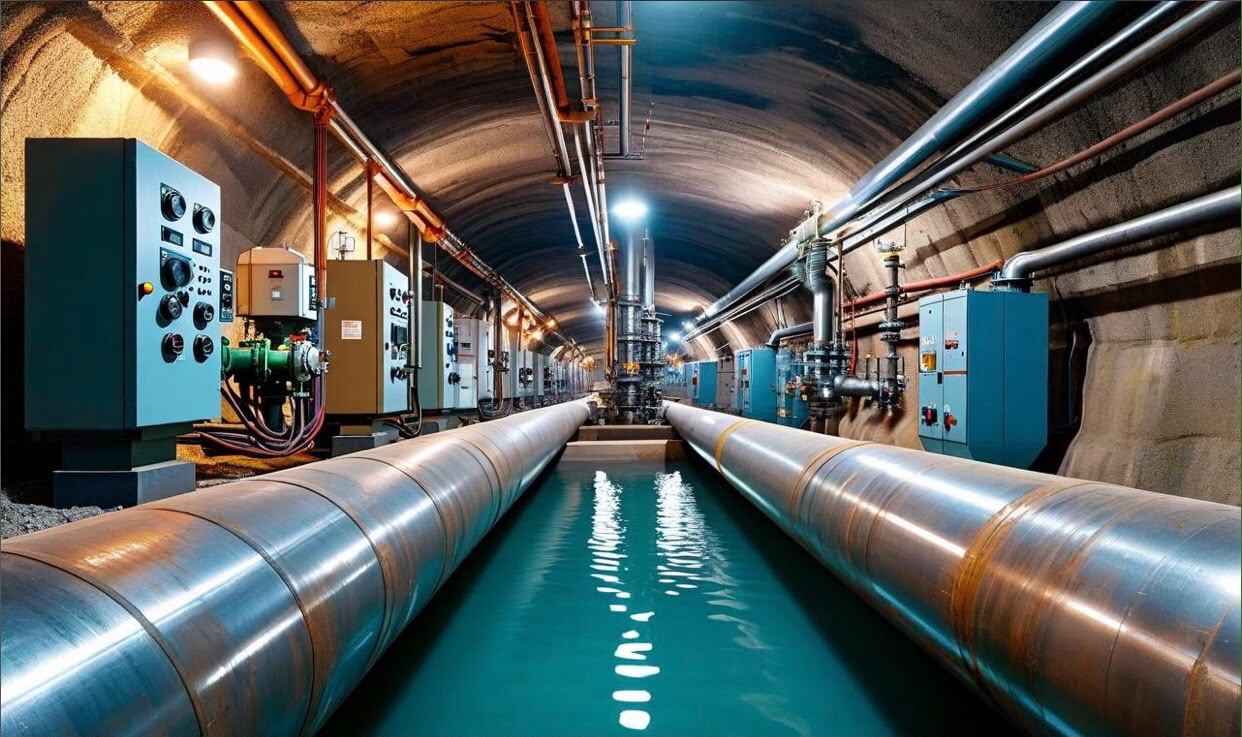
The financing will support the Chennai Climate-Resilient Water Security and Sewerage Project, which is intended to improve the reliability and efficiency of water distribution while expanding sanitation infrastructure. The programme includes approximately 170 kilometres of pipelines, improvements to pumping stations and development of a ring-main distribution system designed to strengthen the city’s ability to move water efficiently.

For Chennai, water security has become inseparable from the city’s rapid economic and physical expansion. Metropolitan growth has pushed housing, industry and commercial development far beyond the traditional urban core, increasing demand upon water infrastructure which in many areas was never designed for the scale of population it is now expected to serve.
Climate conditions compound the difficulty. Chennai has experienced periods when reservoirs approached dangerously low levels and residents depended heavily upon tankers,yet the same city can receive intense monsoon rainfall capable of overwhelming drainage systems and flooding large residential areas. The challenge is therefore not simply finding more water but capturing, storing, distributing and ultimately removing it efficiently.
The ADB programme is significant because it treats water supply and sanitation as parts of the same urban system rather than independent engineering problems. Expanding supply without improving sewerage creates another environmental burden, while building infrastructure without addressing leakage, pumping efficiency and distribution can leave households experiencing shortages despite substantial quantities entering the system.
The project also arrives as Chennai undertakes one of the largest periods of infrastructure development in its recent history, with Metro expansion, railway integration, road projects and residential construction transforming large parts of the metropolitan region. Water and sanitation investment must keep pace if that expansion is to produce a genuinely more liveable city rather than merely a larger one.
For residents, however, success will ultimately be measured far more simply than the size of the international loan. A USD 230 million project will matter when households experience a more reliable supply from their taps, sewage is properly managed and the city’s infrastructure becomes better able to cope with the extremes of drought and intense rainfall which Chennai has learned can arrive within remarkably short periods of one another.