Sri Lanka’s trade deficit has widened from US$4.3 billion to US$7.2 billion in a year. That is another US$2.9 billion separating what this country earns from selling goods to the world and what it spends buying goods from it. We have seen this movie before. The ending was not especially enjoyable.
There is nothing inherently alarming about imports rising when an economy recovers. Factories import machinery. Manufacturers import raw materials. Businesses replace equipment. Consumers begin buying things they postponed purchasing during harder times.
A country that imports nothing is not necessarily a healthy country. It may simply be a very poor one.
Submit Your Press Release
Get your company news, announcements, launches, appointments and events in front of a wider audience.


But Sri Lanka’s latest numbers deserve attention because imports are expanding considerably faster than the foreign-exchange earning capacity required to pay for them.
The merchandise trade deficit during January to August reached US$7.2 billion, compared with US$4.3 billion during the corresponding period last year. The Central Bank also says Sri Lanka’s terms of trade deteriorated because import prices increased faster than export prices.
And then there is fuel.
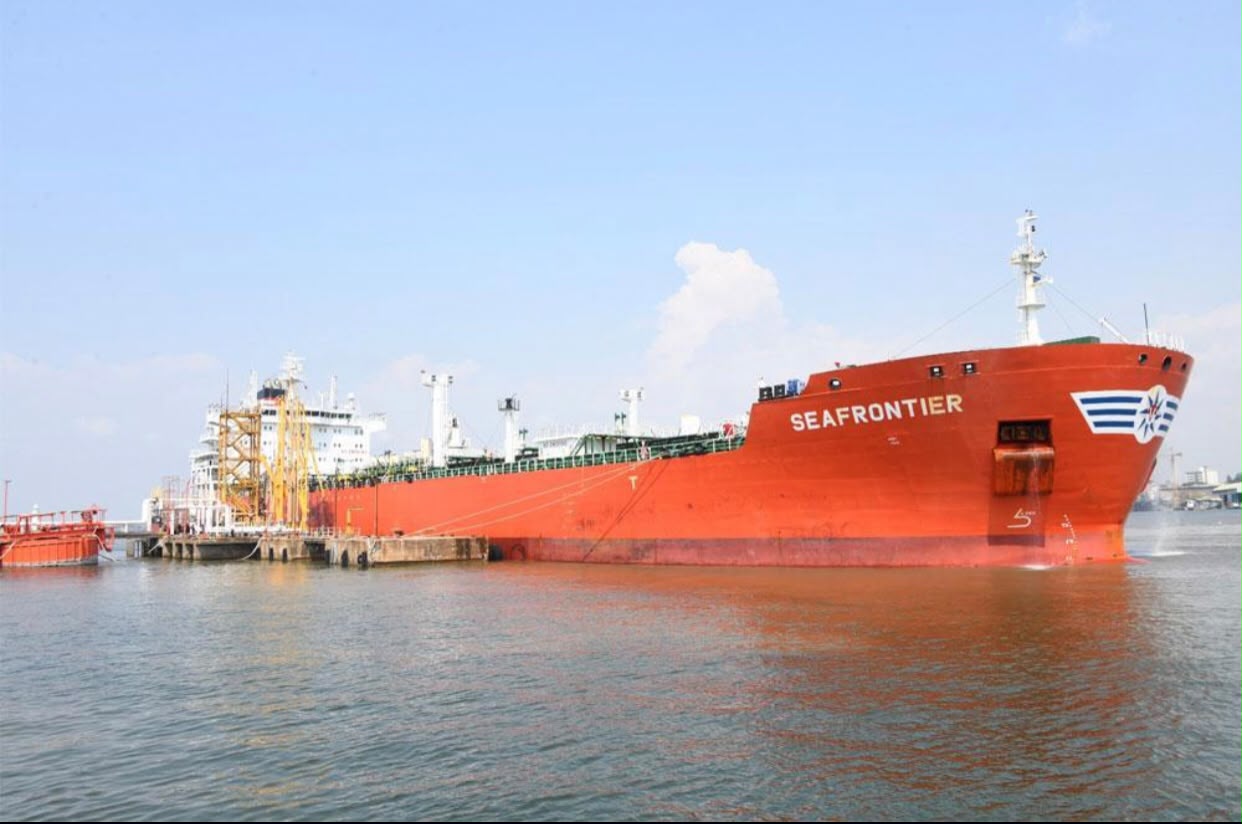
Sri Lanka spent approximately US$4 billion importing it during the first eight months of the year. That was 61.6 percent more than during the same period in 2025. Motor vehicles consumed another US$1.684 billion of foreign exchange.
Some of this reflects circumstances Sri Lanka did not create and cannot control. The Middle East crisis has pushed external-sector pressures sharply higher. Fuel prices are determined thousands of kilometres from Colombo.
That explanation is perfectly valid.
It does not make the bill disappear.
There are cushions. Remittances have been extraordinarily strong at US$6.1 billion. Tourism produced another US$2.1 billion. Services continue generating a surplus, although that surplus itself has weakened.
August even produced some welcome news. After four consecutive monthly deficits, Sri Lanka recorded a US$133 million current-account surplus. But across January to August the current account remained US$291 million in deficit.
None of this means another foreign-exchange crisis is around the corner. It would be irresponsible to suggest it.
It does mean Sri Lanka should remember what the last one taught us.
A reserve number is not an economy. Dollars accumulated at the Central Bank provide protection, but sustainable external strength eventually comes from producing goods and services that foreigners want to buy.
Sri Lanka still exports garments and tea. IT and business services have become increasingly important. Tourism matters enormously. Yet the fundamental question remains stubbornly familiar: what are we going to sell the world in sufficient quantities to finance everything we increasingly want to buy from it?
Sri Lanka spent years after 2022 discussing debt restructuring, reserves, IMF targets and fiscal reform. Necessary as all of that was, none of it abolishes the arithmetic of trade.
US$4.3 billion became US$7.2 billion in twelve months.
Be that as it may, when a gap grows by US$2.9 billion in eight months of trading, it is probably worth looking into the gap before congratulating ourselves on what is sitting in the bank.