The Government came to office promising to fight corruption and has 159 MPs behind it. Now parts of its Anti-Corruption Amendment Bill have run into constitutional difficulties. The interesting question is not whether the NPP has the numbers, but what it chooses to do with them.
Sri Lanka probably needs no convincing that corruption remains a serious problem. The country has spent decades watching allegations emerge, investigations begin, governments change and cases disappear somewhere between public outrage and judicial conclusion. The NPP understood that frustration rather well and made anti-corruption central to the promise of change that carried Anura Kumara Dissanayake to the presidency and subsequently delivered 159 seats in Parliament.
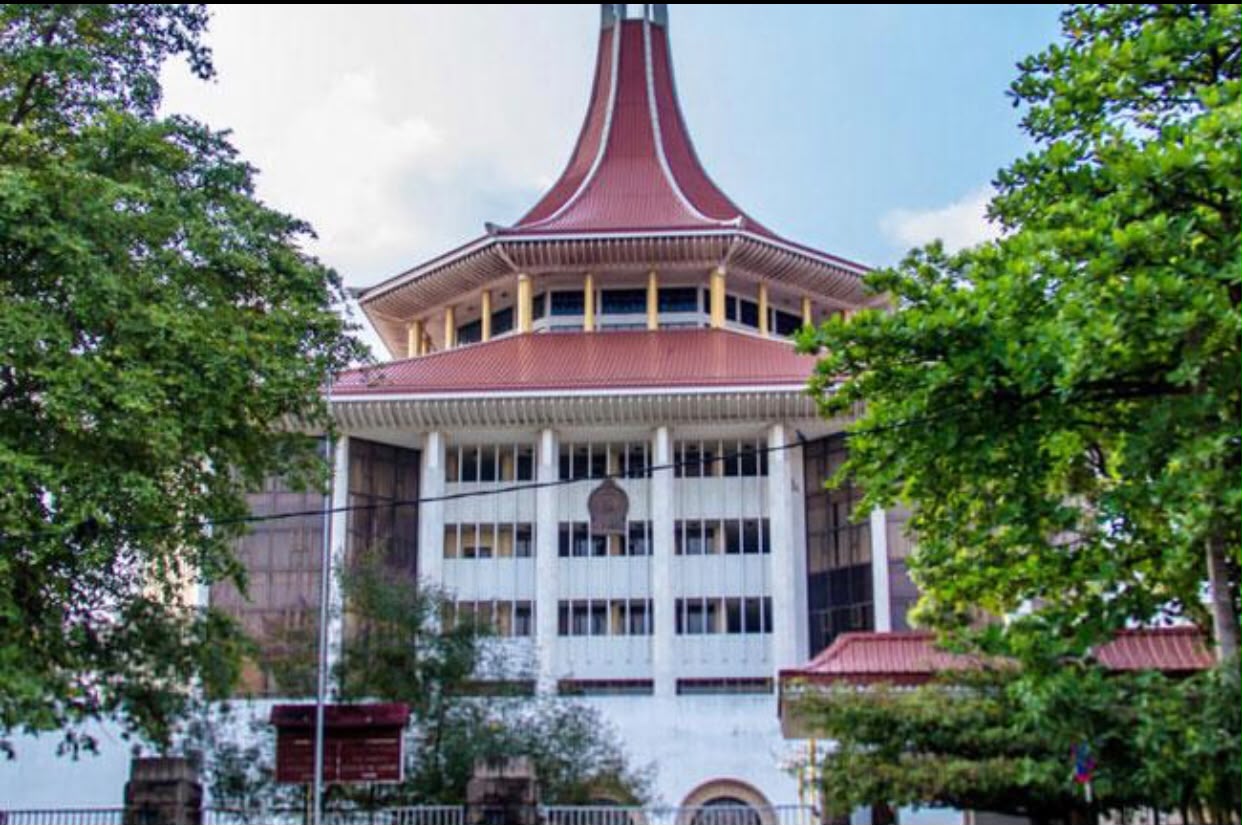
That makes what happens in Parliament on Thursday rather important. The Anti-Corruption Amendment Bill is due for its Second Reading, but the Supreme Court has already examined the proposed legislation and found constitutional difficulties with several provisions.
Submit Your Press Release
Get your company news, announcements, launches, appointments and events in front of a wider audience.


One involves asset declarations by owners, chairpersons and directors of certain media institutions. The Court found the provision inconsistent with constitutional protections concerning equality and freedom of expression. It can still be enacted with a two-thirds majority, something this Government possesses comfortably enough on paper.
Another issue concerns declarations involving people who have lived in the same household as the person making the declaration for more than six months. The proposed change has also encountered constitutional difficulty and would require a special majority if retained in its present form.
More significant is the question of bail. A proposed provision restricting the ability of a Magistrate to grant bail, while also placing restrictions upon the High Court, has been found constitutionally problematic enough to require both a two-thirds majority and approval at a referendum if enacted in its present form. The Government has indicated that it does not intend to hold a referendum, meaning the provision will have to be amended or removed.
There is nothing extraordinary about legislation being challenged before the Supreme Court. That is part of constitutional government. Parliament proposes laws, citizens are entitled to challenge them and the Court determines whether those proposals comply with the Constitution and, where they do not, what would be required for them to become law.
What makes this particular exercise interesting is the political context. This is a Government elected specifically to change the way power is exercised, and it has been given an unusually large parliamentary majority with which to do it. The size of that majority is both its great political advantage and an important test of how it intends to govern.
The NPP can overcome some constitutional objections because it possesses enough MPs to produce the required special majority. But the fact that Parliament is constitutionally permitted to enact something with two-thirds does not necessarily answer whether the Government should proceed without reconsidering the provision itself.
That distinction becomes especially important when legislation touches the media, personal financial information, judicial discretion and the liberty of an accused person. Sri Lanka needs stronger anti-corruption machinery, meaningful asset declarations and investigators capable of following money and prosecuting wrongdoing. Public officials who accumulate wealth inconsistent with legitimate income should expect scrutiny.
But anti-corruption cannot become a convenient justification for weakening safeguards intended to protect everyone. The rule of law is not strengthened by giving one institution greater power while unnecessarily diminishing the authority or independence of another. Thursday therefore offers the Government an opportunity to demonstrate what its 159 seats actually mean. It could use its majority simply to overcome those objections that the Constitution allows a two-thirds majority to overcome, or it could examine why those provisions encountered constitutional difficulty in the first place and decide whether better legislation can be produced.
Sri Lanka voted overwhelmingly for a Government strong enough to confront corruption. It also voted for change in the manner in which political power is exercised. Those two expectations should not be incompatible.
Be that as it may, 159 votes give a government enormous power. How carefully it uses that power may eventually matter just as much as what it uses it for.