Japan moves to restart long-delayed airport expansion before November as Sri Lanka’s principal international gateway prepares for another attempt at completing a project years overdue
COLOMBO – Sri Lanka’s long-delayed second passenger terminal at Bandaranaike International Airport is once again moving towards construction, with Japan agreeing to expedite the project and work now expected to resume before November.
A delegation from the Japan International Cooperation Agency has held discussions with Ports, Civil Aviation and Energy Minister Anura Karunathilaka, with the latest timetable envisaging construction restarting this year. The revival is particularly significant because the terminal was among the major Japanese-funded projects disrupted in the aftermath of Sri Lanka’s 2022 sovereign default and the suspension of foreign-funded development work.
The economic argument for expanding BIA has meanwhile become considerably stronger. Sri Lanka is seeking substantially larger tourist numbers, additional airlines and routes, increased business travel and greater foreign-exchange earnings. Those ambitions ultimately depend upon the ability of the country’s principal international gateway to accommodate the additional traffic without congestion becoming an impediment to growth.
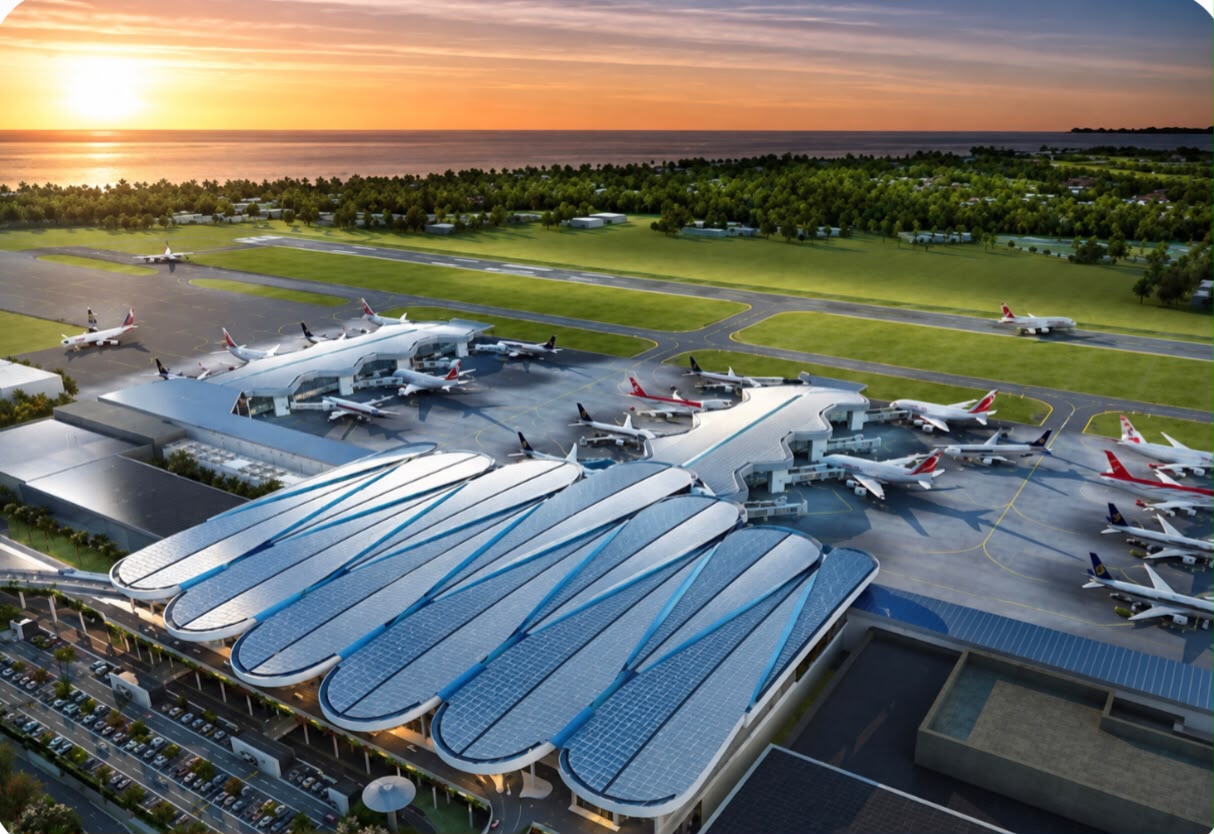
Terminal 2 was conceived precisely to address that problem. The project includes a new passenger terminal and associated facilities intended to increase capacity at an airport which has for years been operating under increasing pressure.
Yet there is an uncomfortable history attached to the project. Construction was interrupted during the economic crisis, financing arrangements had to be revisited and projected restart dates have repeatedly shifted. That history makes the latest announcement important, but it also means another promise to recommence construction should not itself be regarded as the achievement.
The real test will be whether contractors are actually back on site before November and, more importantly, whether the Government and its Japanese partners can now establish a credible completion timetable.
There is also the question of cost. Delaying a major infrastructure project rarely makes it cheaper. Changes in construction costs, financing and the value of currencies since the original project was conceived make the revised financial picture particularly relevant to the public.
Japan’s continued involvement is nevertheless an encouraging development. Sri Lanka badly needs infrastructure investment that increases the country’s capacity to earn foreign exchange, and an international airport capable of handling future passenger growth clearly belongs in that category.
But the Government should now put two figures firmly on the record: the revised total cost and the contractual completion date.
THE NEWSLINE QUESTION
Before November tells us when they hope to restart. When will Terminal 2 actually open – and what will it finally cost?