Parliament approves tenfold increase in fines under employment law-but enforcement will determine whether the amendment protects children or merely modernises the statute book
Parliament has passed the Employment of Women, Young Persons and Children (Amendment) Bill without a vote, increasing penalties for offences involving the unlawful employment of children and young persons.
The amendment raises the applicable fine from Rs.10,000 to Rs.100,000. The Government says the change will bring Sri Lanka’s legislation closer to International Labour Organization standards and strengthen protection against child labour and workplace exploitation.
Submit Your Press Release
Get your company news, announcements, launches, appointments and events in front of a wider audience.


The Second Reading debate was held on Thursday from 11.30 a.m. until 5.30 p.m., after which the Bill was approved without a division.
The increase is substantial in percentage terms. Whether Rs.100,000 is sufficiently punitive for businesses that knowingly profit from illegal child labour is another matter.
A fine must be large enough to deter the offence rather than become another operating expense. More importantly, a higher statutory penalty has little value unless labour inspections are frequent, complaints can be made safely and prosecutions are pursued to conclusion.
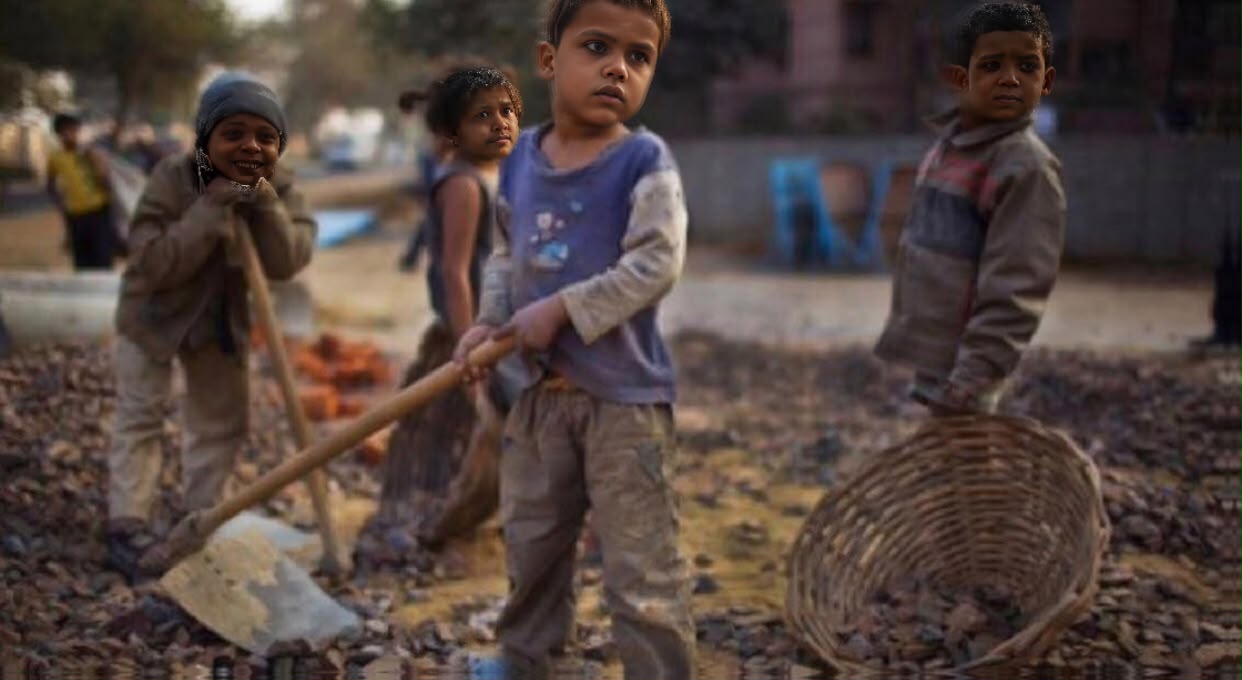
Children engaged in domestic service, agriculture, street trading, workshops and informal businesses are often the least visible to regulators. They may also belong to households in which poverty makes unlawful employment appear to be an economic necessity.
That means enforcement must be accompanied by stronger school-retention programmes, family assistance and reliable mechanisms through which teachers, neighbours and children themselves can report exploitation.
Parliament has updated the punishment. The real test begins outside Parliament-in plantations, factories, shops, kitchens, workshops and homes where the law is most difficult to see and easiest to evade.