Media suppression is a term that refers to the deliberate act of preventing the dissemination of information by the media. It is a tactic that has been used by governments, corporations, and individuals to control the narrative and shape public opinion. Media suppression can take many forms, including censorship, intimidation, and the use of legal or other means to restrict access to information.
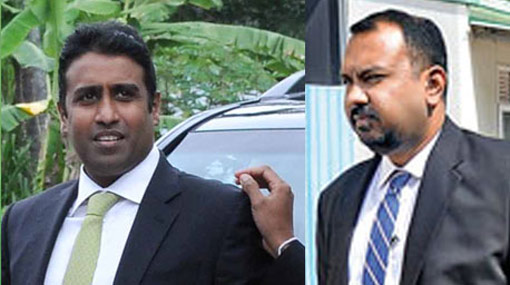
One example of media suppression is the case of Faraz Shauketaly, a Sri Lankan journalist who was working for The Sunday Leader when he was shot and wounded in his home in February 2013. Shauketaly had been investigating corruption and human rights abuses in Sri Lanka, and many believe that his attack was an attempt to silence him and prevent him from reporting on these issues.
Shauketaly’s case is just one of many examples of media suppression in Sri Lanka. The country has a long history of violence and intimidation against journalists, with numerous cases of harassment, assault, and even murder. In many cases, those responsible for these attacks have gone unpunished, creating a culture of impunity that makes it difficult for journalists to do their jobs without fear of reprisals.
Media suppression is not limited to Sri Lanka, however. It is a global issue that affects journalists and media organizations in many parts of the world. In some cases, media suppression is carried out by authoritarian governments that seek to control the flow of information and maintain their grip on power. In other cases, it is carried out by corporations or individuals who want to protect their interests or reputation.
Regardless of the source of media suppression, the effects can be devastating. When journalists are unable to report on important issues, the public is left in the dark about what is happening in their communities and around the world. This lack of information can lead to apathy, ignorance, and even greater abuses of power.
To combat media suppression, it is important to support independent journalism and to hold those responsible for attacks on journalists accountable. This can be done through legal action, international pressure, and public awareness campaigns. It is also important for journalists to band together and support one another in the face of threats and intimidation.
In the case of Faraz Shauketaly, his colleagues at The Sunday Leader refused to be silenced by his attack. They continued to report on corruption and human rights abuses in Sri Lanka, despite the risks to their own safety. This kind of courage and determination is essential if we are to overcome media suppression and ensure that the truth is able to come to light.
In conclusion, media suppression is a serious threat to freedom of expression and to democracy itself. It is a tactic that has been used by governments, corporations, and individuals to control the narrative and shape public opinion. The case of Faraz Shauketaly is just one example of the dangers that journalists face when they try to report on important issues. To combat media suppression, it is important to support independent journalism and to hold those responsible for attacks on journalists accountable. Only by doing so can we ensure that the truth is able to come to light and that our societies remain free and open.