Opposition MP says Sri Lankan travellers have encountered problems overseas; Government rejects allegations over the quality of the newly issued documents
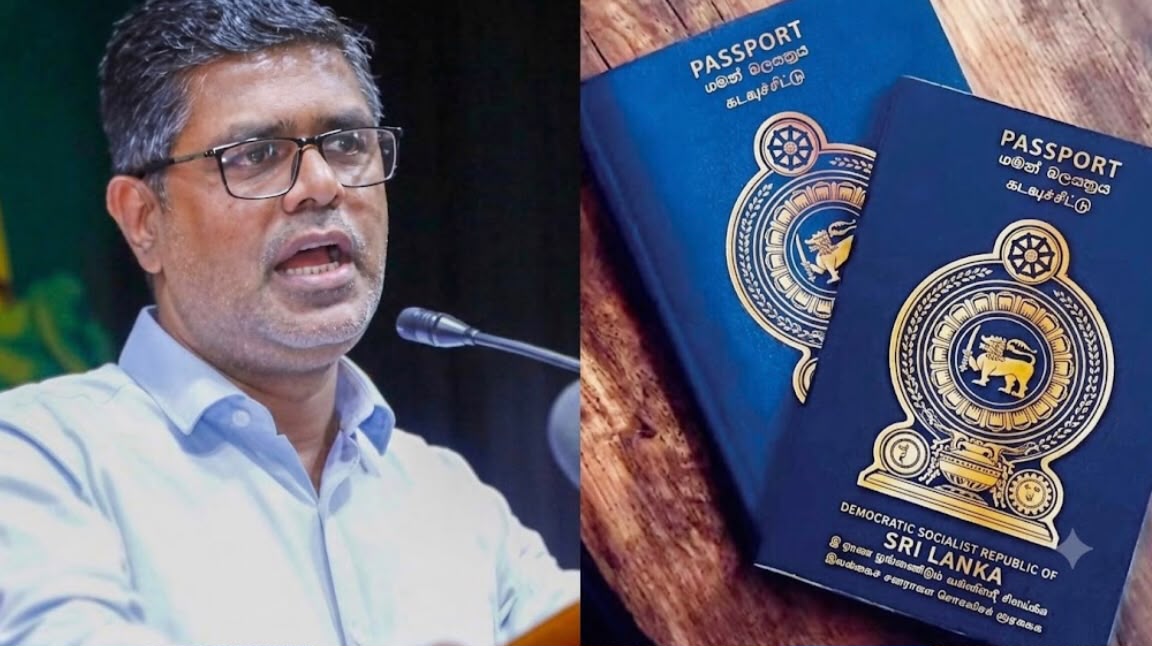
COLOMBO, Sunday – Questions have emerged over Sri Lanka’s newly issued passports after Opposition MP Mujibur Rahman told Parliament that problems with the documents had allegedly resulted in difficulties for Sri Lankan travellers passing through foreign immigration controls.
Rahman told Parliament that a former Sri Lankan parliamentarian had been detained and questioned by British immigration authorities after the new passport reportedly could not be properly read, leading officials initially to suspect that the document might not be genuine. The allegation has not been independently established, and the Government has disputed claims that the passports suffer from quality defects.
Submit Your Press Release
Get your company news, announcements, launches, appointments and events in front of a wider audience.


The SJB parliamentarian also questioned the reduction in the number of passport pages from 64 to 48 while the Rs.6,000 issuance charge remained unchanged.
He alleged that the new documents lacked observation or extension pages and claimed that printing quality was inadequate, including instances where immigration stamps could bleed through the paper.
Public Security and Parliamentary Affairs Minister Ananda Wijepala rejected the allegation that the passports were of inferior quality.
He said the reduction in pages was consistent with international standards and pointed out that other countries had adopted similar arrangements. The Minister also said litigation surrounding the procurement of five million passports remained before court while the Government continued efforts towards introducing an e-passport.
The competing claims leave an obvious question that should be relatively straightforward to settle.
If Sri Lankan passport holders have encountered difficulties because foreign border-control equipment cannot reliably read the documents, the authorities should establish how many such incidents have been reported, in which jurisdictions they occurred and whether foreign immigration authorities have formally raised concerns.
A passport is not simply another document produced by the State. It is Sri Lanka’s principal internationally recognised identity document, and even isolated questions over its readability or security can create considerable difficulty for travellers.
The Government is therefore entitled to reject allegations it considers unfounded. Be that as it may, publication of the technical standards and clarification of whether any formal complaints have been received from overseas authorities would do considerably more to settle the issue than political assertion from either side.