Central Bank Governor says May’s shock increase appears sufficient as inflation reaches 7.3%; but with growth, fuel costs and the rupee still under pressure, monetary policy remains a delicate balancing act
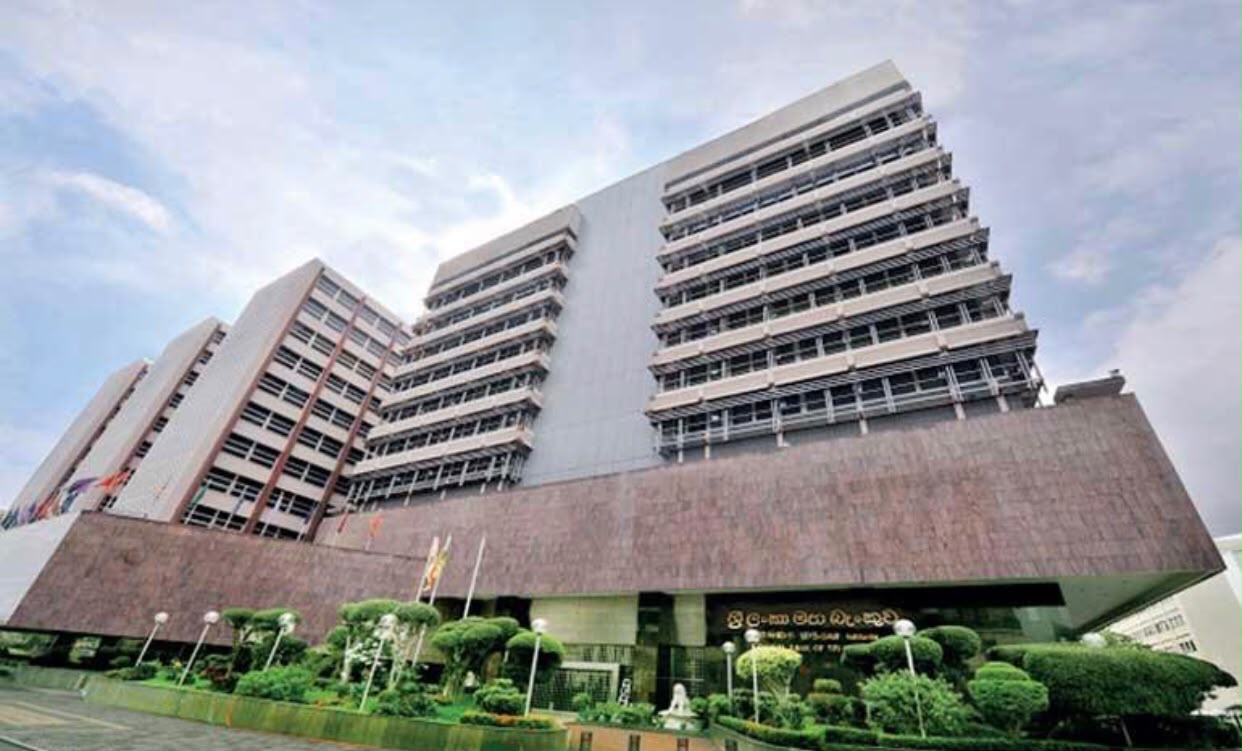
COLOMBO, Wednesday – Sri Lanka’s Central Bank sees no present need for further interest-rate increases during 2026, Governor Dr. P. Nandalal Weerasinghe has indicated, signalling that policymakers believe May’s unexpected 100-basis-point increase may be sufficient to contain inflation without imposing further pressure on the country’s recovering economy.
Speaking to Reuters on Tuesday, Weerasinghe said the Central Bank’s May intervention had been a proactive response to an anticipated acceleration in inflation arising largely from the international energy shock. Inflation reached 7.3 per cent in July, its highest rate of increase in three years, while some analysts expect it could reach around eight per cent later this year.
Submit Your Press Release
Get your company news, announcements, launches, appointments and events in front of a wider audience.


The Governor said the Central Bank had expected inflation to rise to around seven per cent when it increased rates in May and that developments so far remained broadly consistent with those expectations. Future monetary-policy decisions would therefore depend upon whether inflation departed materially from the path the Bank presently anticipates.
The message is significant for businesses and borrowers because the May increase took the policy rate to 8.75 per cent and represented Sri Lanka’s first rate increase in more than three years. The move surprised markets and generated concern that tighter borrowing conditions could weaken investment and consumption just as the economy was establishing a recovery from the financial crisis of 2022.
The Central Bank, however, faces an unenviable balancing act. Keeping interest rates too high for too long could restrain credit, investment and growth, while relaxing monetary policy prematurely risks allowing inflation to become entrenched, particularly while Sri Lanka remains exposed to elevated international energy prices.
Weerasinghe expects inflation eventually to return towards the Central Bank’s five per cent target during the first half of 2027, although he cautioned that monetary-policy decisions would change if the inflation trajectory moved materially away from present forecasts. The effects of May’s increase itself could take between 12 and 18 months to pass fully through the economy.
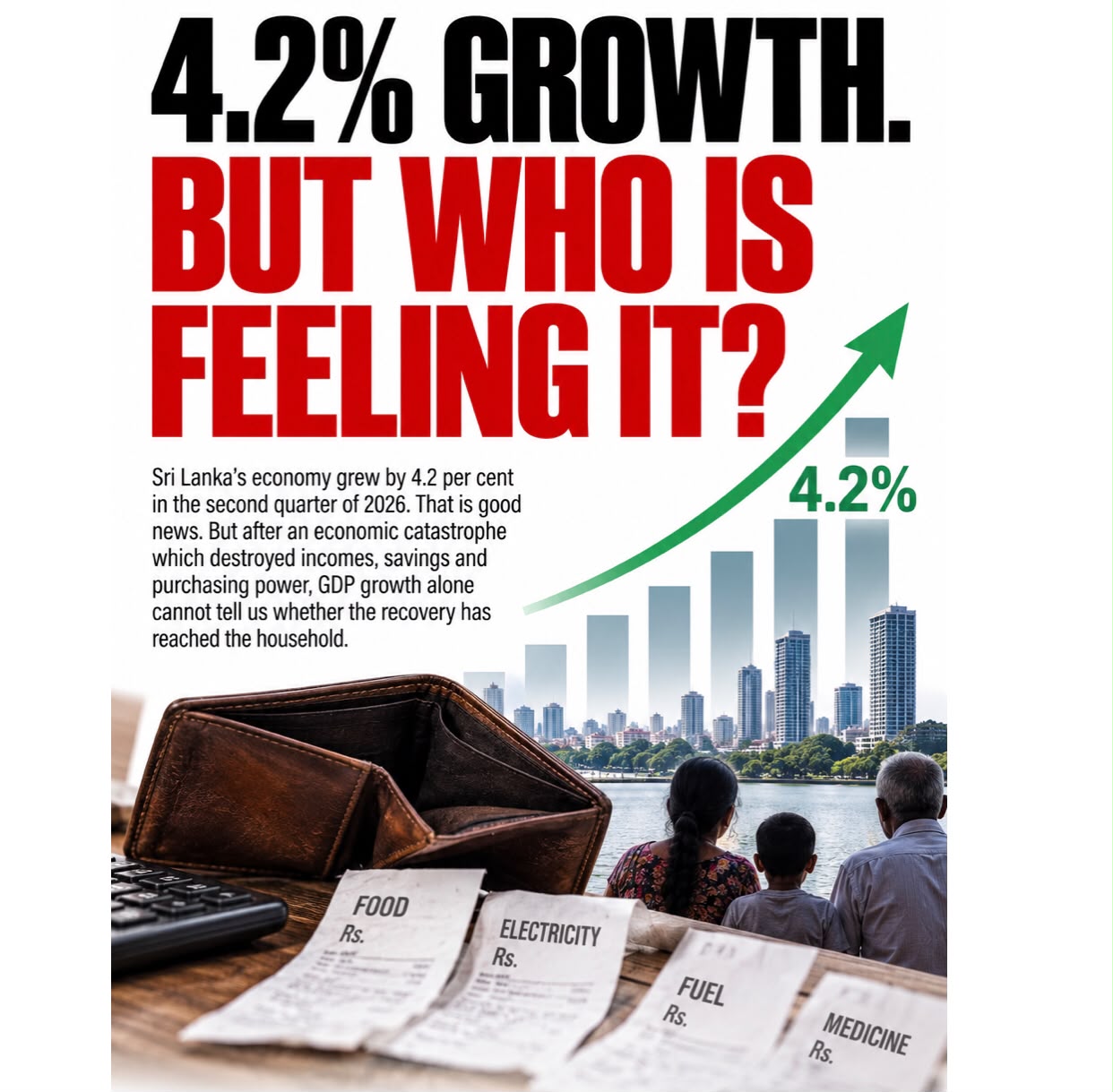
There is another important consideration. The Governor is seeking to increase Sri Lanka’s gross foreign-exchange reserves from approximately US$6.6 billion to around US$8 billion by the end of this year, providing a larger buffer against external shocks and the increased cost of imported energy. He nevertheless expects economic growth of between four and five per cent in 2026, compared with the IMF’s more conservative projection of around three per cent.
For households and businesses, therefore, the Governor’s message should not be mistaken for a promise that cheaper money is immediately around the corner. Rather, the Central Bank appears to be saying that it believes it has already applied sufficient monetary brakes and now intends to observe their effect before deciding whether another intervention is necessary.
For an economy attempting simultaneously to contain inflation, rebuild reserves and preserve a still-fragile recovery, standing still may for the moment be the most deliberate monetary-policy decision of all. Be that as it may, the real test will come if inflation refuses to follow the path the Central Bank presently expects.