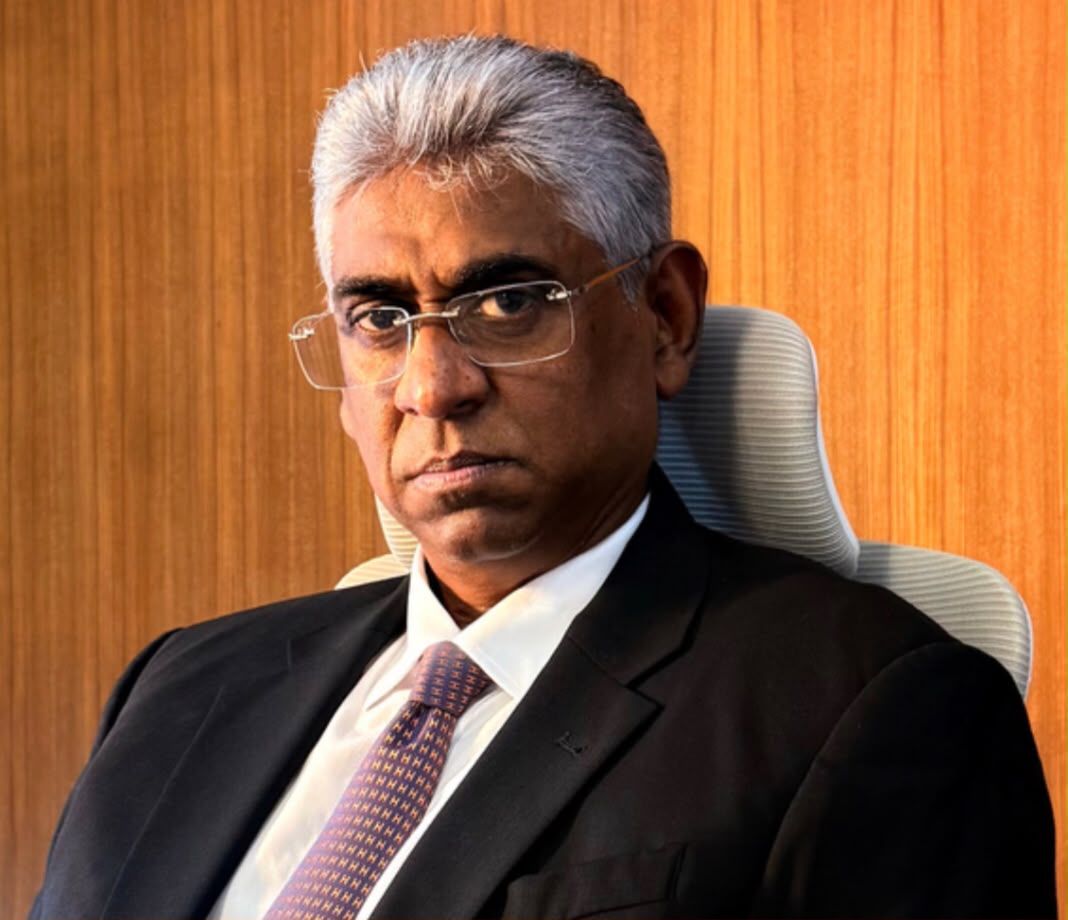
Faiszer Musthapha wants Sri Lanka to consider keeping children under 16 off social media. The instinct is understandable. Making it work without creating something worse will require rather more thought than simply passing a law.
There was a time when parents worried about where their children were after dark. Today the child can be safely inside the bedroom while much of the world, including some distinctly unpleasant corners of it, is sitting beside them on a six-inch screen.
Faiszer Musthapha PC has brought that uncomfortable reality into Parliament, calling for restrictions on social-media access for children under 16. It is an idea worth taking seriously because cyberbullying, sexual exploitation, harmful content, compulsive scrolling and the effects of constant online comparison are no longer theoretical dangers discussed by worried adults who simply do not understand technology.

The technology companies understand it extremely well. Some of the world’s most valuable businesses have become extraordinarily good at learning what keeps human beings looking at screens, and children are encountering that machinery long before they have developed the judgement necessary to understand what is being done to their attention.
There is therefore nothing particularly radical about asking whether companies making billions from engagement should carry greater responsibility for protecting children using their products. Society does not ordinarily allow an industry to answer every concern about children by pointing towards the parents and walking away.
But Parliament should resist its own favourite temptation: believing that passing a law and solving a problem are the same thing. Declaring that nobody under 16 may use social media is easy; establishing whether the person holding the telephone is 15 or 51 without constructing an intrusive identification system for the entire population is considerably harder.
That is where good intentions can become bad legislation. Protecting children must not provide a convenient excuse for creating a national internet identity system, unnecessarily collecting personal information or expanding State control over what adults may read, watch and say online.
There are practical questions too. Children use the internet for school, research, communication and entertainment, while the boundary between a social-media platform, messaging service, video platform and educational resource becomes less obvious every year. A law written for yesterday’s technology could be obsolete before the ink on the Gazette is dry.
The responsibility must therefore be shared. Technology companies must design genuinely effective protections, parents must remain parents, schools must teach digital literacy and the State must establish sensible boundaries without appointing itself everyone’s online nanny.
Musthapha deserves credit for putting the subject before Parliament because doing nothing is not a neutral position. Leaving children alone against algorithms designed by some of the world’s cleverest engineers to capture attention is itself a policy choice, and not an especially convincing one.
Sri Lanka should proceed, but carefully. Protect the child, preserve privacy, make the platforms carry their share of the burden and ensure that legislation aimed at a 14-year-old does not quietly become surveillance of a 40-year-old.
Be that as it may, perhaps there is one social-media restriction Parliament could introduce immediately without waiting for another Bill.
MPs might occasionally put their own phones down and listen to each other.