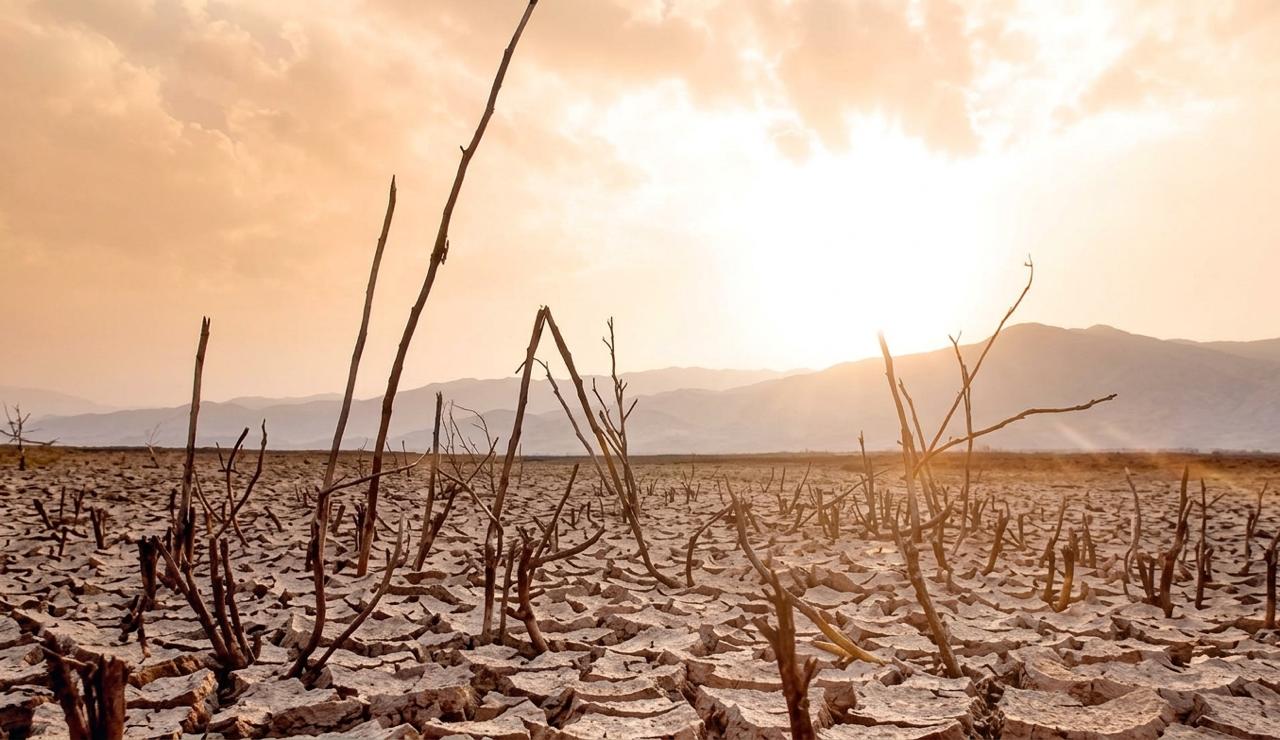
Reservoir levels are slipping, water restrictions are appearing and El Niño threatens a difficult dry period. Sri Lanka has been warned. The question now is whether somebody has actually prepared for it
Sri Lanka’s reservoirs are moving towards an uncomfortable number.
Water storage in the country’s major reservoirs has fallen towards approximately half of overall capacity as dry conditions begin to place increasing pressure on drinking-water supplies, agriculture and electricity generation.

Restrictions and interruptions to water supplies have already begun affecting some areas, while authorities are urging consumers to conserve water as the dry spell continues.
The immediate problem is rainfall. The larger problem is what happens if insufficient rainfall continues.
El Niño conditions have increased concern that Sri Lanka could experience a more prolonged dry period, with potentially significant consequences for agriculture and hydroelectricity generation.
For farmers, timing is critical. Cultivation decisions made now determine how much water will be required weeks and months later, when reservoir levels could be considerably lower.
Agricultural authorities therefore face the difficult task of balancing cultivation requirements against a water resource that must also provide drinking water and contribute to electricity generation.
Sri Lanka has been here before.
Extended dry weather reduces hydroelectric output and forces the electricity system to rely more heavily upon thermal generation. That in turn means greater consumption of imported fuel and a potentially larger foreign-exchange bill.
This time there is an additional complication.
Oil markets are already nervous because of the escalating confrontation involving Iran and the United States and the disruption surrounding the Strait of Hormuz. A prolonged regional crisis could increase the cost of the very fuel Sri Lanka would need if hydroelectric generation falls sharply.
That makes water and energy planning part of the same problem.
The Government has indicated that it is examining additional generation and contingency measures. What matters now is whether those arrangements can be deployed before an emergency rather than after one.
Sri Lankans remember what happens when warnings are treated as tomorrow’s problem.
The country does not need alarmism. Reservoirs approaching half capacity do not mean the taps are about to run dry or that power cuts are inevitable.
They do, however, mean that the margin for complacency is becoming smaller.
Authorities should therefore be publishing clear information on reservoir storage, projected drinking-water requirements, agricultural allocations, expected hydroelectric output and the additional thermal capacity available if conditions deteriorate.
That information would allow the public to understand the seriousness of the situation without either panic or political spin.
Water conservation must also begin before shortages become acute. Asking consumers to conserve water after reservoirs have reached critical levels is rather like looking for an umbrella after becoming thoroughly wet.
Sri Lanka has had enough experience with drought, fuel shortages and electricity crises to know how quickly one problem can become three.
There is still time to manage this one.
Be that as it may, the clouds are under no obligation to rescue poor planning.
That remains the Government’s job.