Macro-Triumphs, Micro-Squeezes: IMF Compliance and Household Sacrifice
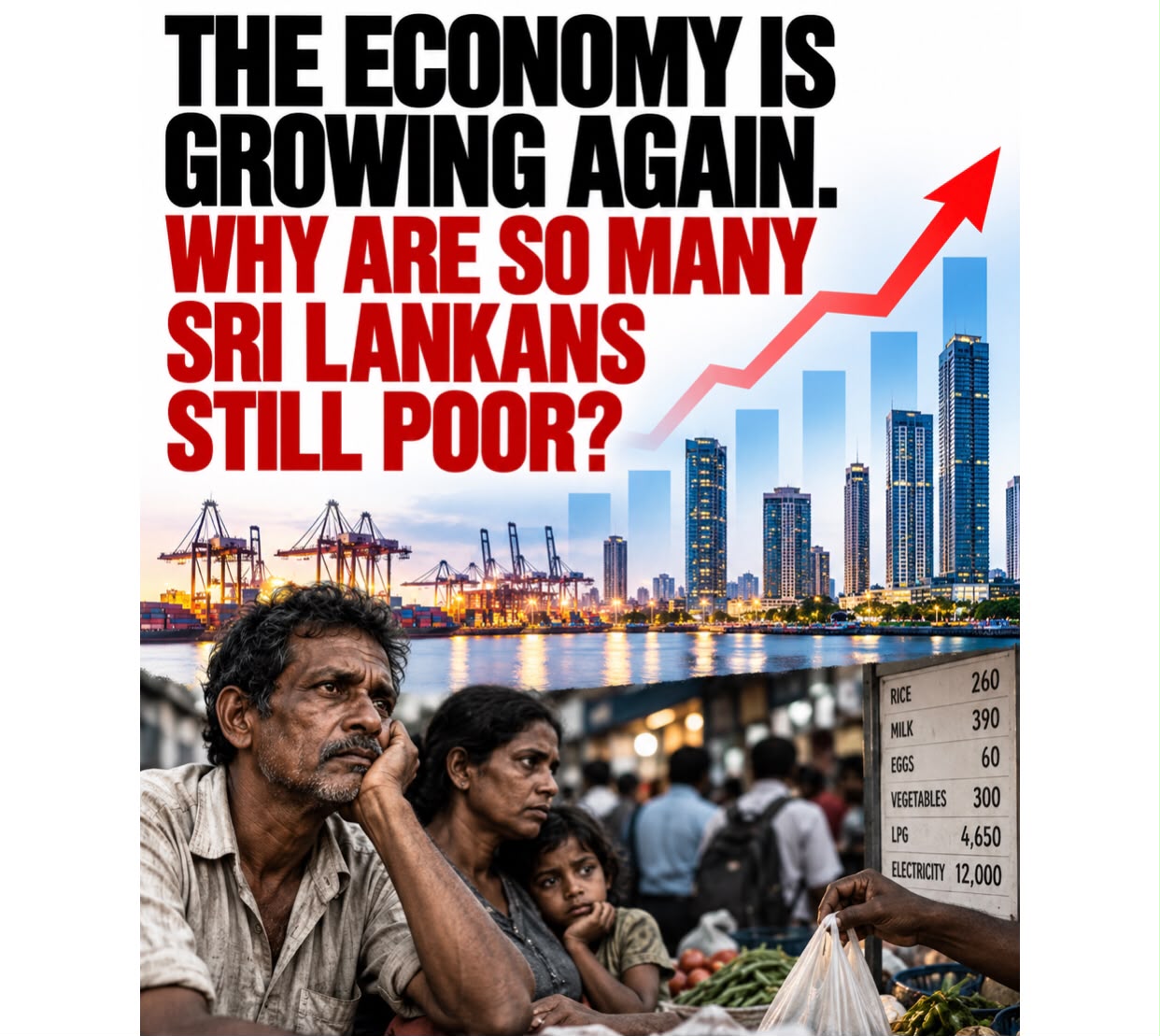
The fiscal news emanating from official channels in Colombo carries a distinctly triumphant ring. Revenue targets are being met, custom duties are trickling in, and global financial institutions are issuing cautious nods of approval as macro-economic indicators show signs of leveling out. The International Monetary Fund has even raised its growth projections for the island nation, offering the kind of quantitative validation that politicians love to print on campaign leaflets. But step outside the air-conditioned corridors of the Treasury, and a far more inquisitive picture begins to emerge.
The state’s current economic narrative relies on a curious double standard. On one hand, government ministers routinely take to public platforms to celebrate national self-reliance, trumpeting domestic revenue collection and structural discipline. On the other, every major legislative move, tax policy adjustment, and utility pricing formula remains tethered to the tight leash of Washington- mandated targets under the Extended Fund Facility. We are told that the sovereign steering wheel is firmly in local hands, yet the GPS destination is being programmed entirely from abroad.
Submit Your Press Release
Get your company news, announcements, launches, appointments and events in front of a wider audience.


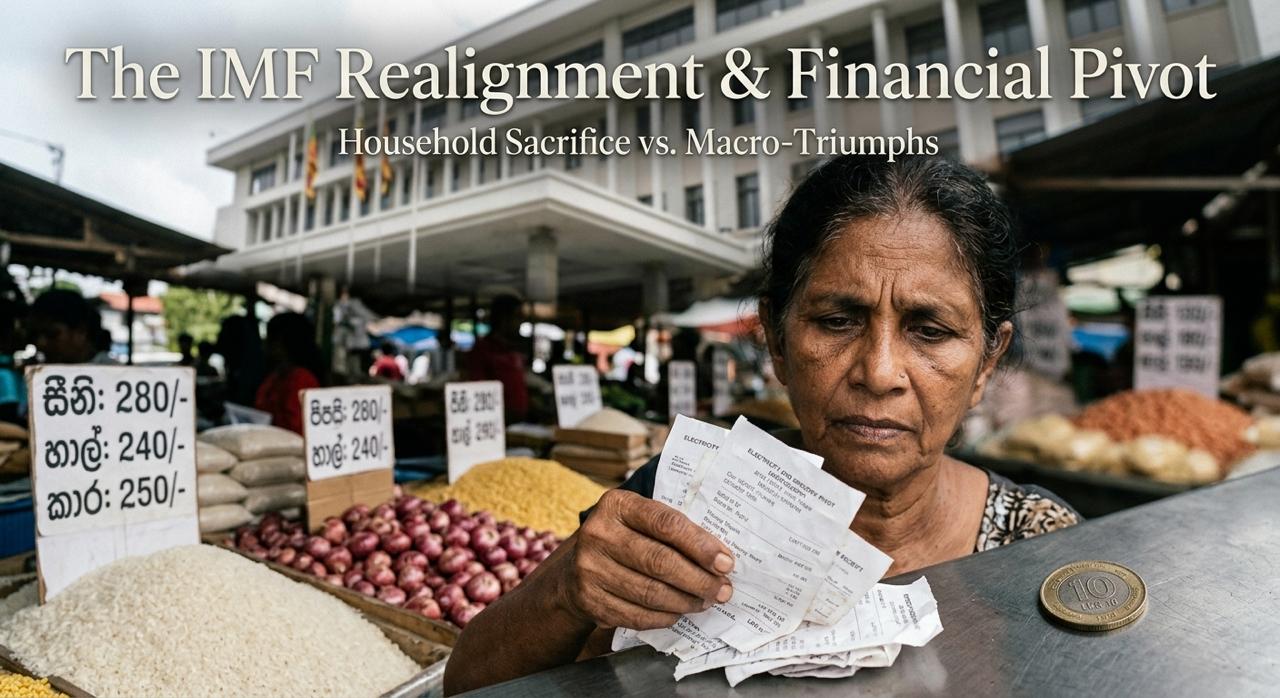
This fiscal performance is not without its casualties. To satisfy the relentless arithmetic of primary balance floors and tax revenue baselines, the burden has been shifted onto a public already battered by years of soaring living costs. The state’s definition of economic stabilization looks remarkably like a squeeze on middle-class households and small enterprises, wrapped in the respectable language of structural adjustment. While the IMF tracker ticks off completed benchmarks with cold efficiency, ordinary citizens are left measuring the recovery by the size of their electricity bills and grocery receipts.
The fundamental question is not whether Sri Lanka needed emergency fiscal intervention, the catastrophic defaults of recent memory settled that debate beyond doubt. The question is how long state policy can subsist on celebrating the achievement of external targets while mistaking balance-sheet compliance for actual domestic prosperity.
Hitting revenue benchmarks under foreign supervision is a feat of accounting; building a resilient, equitable economy is a feat of governance. Until political leaders grasp the distinction, the applause from multilateral lenders will sound very hollow to the people footing the bill.