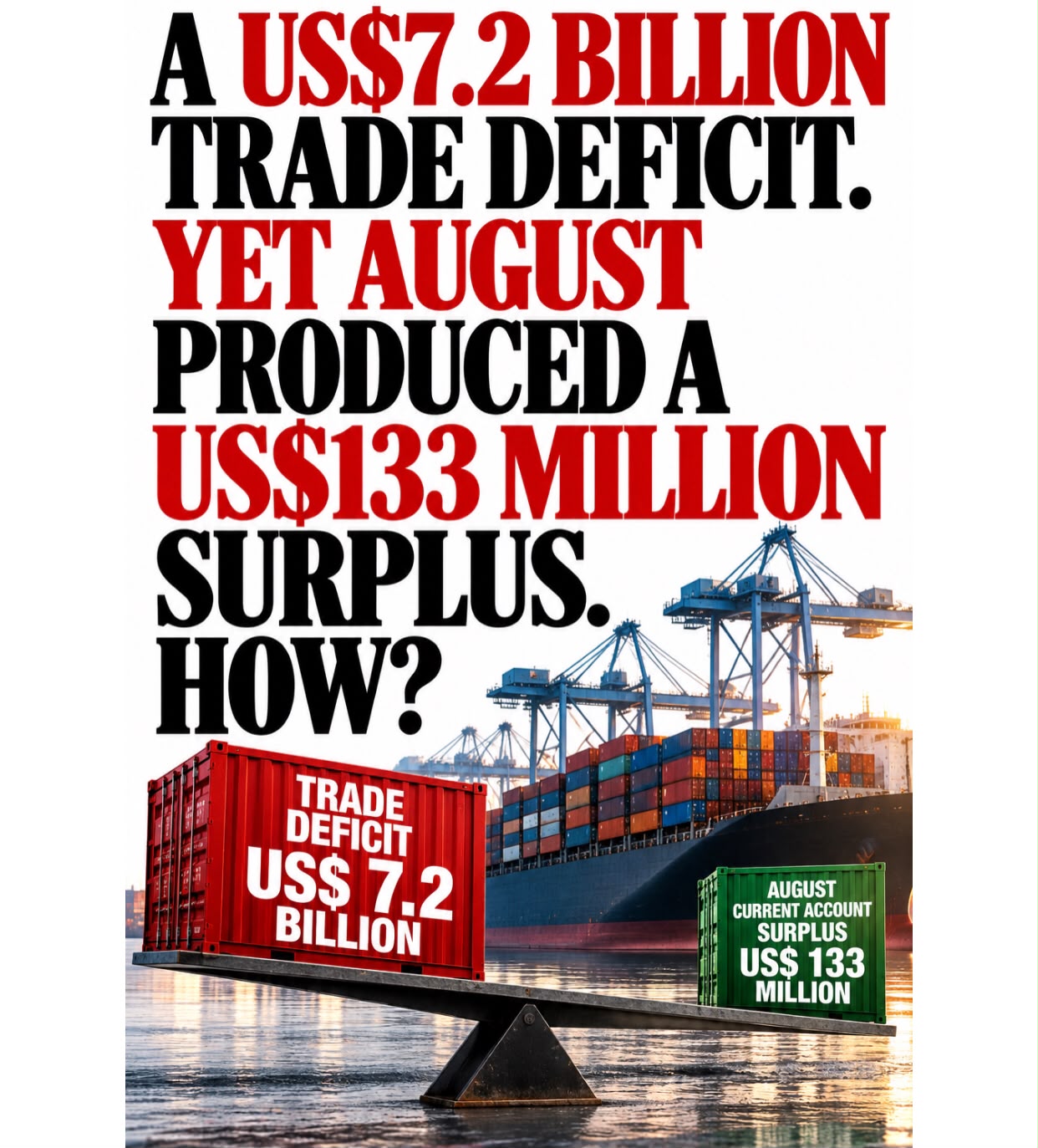
The world is sending Sri Lanka a warning and it is arriving from every direction at once. Global energy prices are climbing, with petroleum and gas costs spiking unpredictably.
Fertilizer supply chains are narrowing, driving agricultural input costs upward. Shipping prices are escalating, making imports more expensive and exports less competitive.
The Pacific El Nino effect and accelerating climate change are disrupting weather patterns and harvests. And global food prices are on the rise, with consumers, manufacturers, and suppliers struggling to meet demand as food supply chains fracture.
Submit Your Press Release
Get your company news, announcements, launches, appointments and events in front of a wider audience.


For a small island nation with limited foreign reserves and modest financial growth, these are not distant headlines. They are immediate threats to the kitchen table, the fuel station, the farm, and the factory.
Sri Lanka’s position is uniquely precarious. The country depends heavily on imports for fuel, fertilizer, and food staples, while its export earnings from tea, garments, and tourism remain vulnerable to global demand shocks. With foreign reserves still recovering from recent economic turmoil, every spike in world prices translates into a heavier burden on the balance of payments and the national budget.
The question on many minds is simple and urgent: Can Sri Lanka face this crisis? The honest answer is that it can but not by repeating the policies that deepened the last one.
Can We Afford to Subsidize Oil and Energy?
The appeal of subsidies is understandable. When fuel and electricity prices rise, households and businesses feel the squeeze immediately. But Sri Lanka’s recent history offers a hard lesson: broad, untargeted subsidies are enormously expensive, drain foreign reserves, distort consumption, and often benefit the wealthier segments of society disproportionately.
They are, in effect, a burden shifted onto future generations.
A more prudent path is targeted support: direct cash transfers or vouchers for low-income households, farmers, and small businesses, rather than blanket price controls.
This protects the vulnerable without bankrupting the treasury and it preserves the price signals that encourage energy efficiency and conservation.
Without disciplined policy, the risk is real. A combination of rising import bills, subsidy costs, and slower export growth could pressure the rupee and deplete reserves.
However, Sri Lanka is not without tools.
Prudent fiscal management, close coordination with multilateral partners such as the IMF, and a clear eyed prioritization of spending can prevent a spiral. The danger lies not in the crisis itself, but in responding to it with unsustainable short-term measures.
The Best Options Before Us
1. Targeted social protection over blanket subsidies. Replace universal fuel and electricity subsidies with direct cash transfers and food vouchers for the most vulnerable, ensuring support reaches those who need it most at a fraction of the fiscal cost.
2. Energy diversification and efficiency. Accelerate investment in renewable energy solar, wind, and small hydro to reduce dependence on imported fossil fuels. Promote energy efficient appliances, public transport, and fuel-efficient practices to lower demand.
3. Agricultural resilience. Secure fertilizer supplies through regional partnerships and bulk procurement, promote organic and climate mart farming methods, and invest in irrigation and drought-resistant crop varieties to withstand El Nino driven weather extremes.
4. Food security buffers. Maintain strategic reserves of essential food items, strengthen domestic food production, and encourage urban and home gardening to reduce reliance on imports.
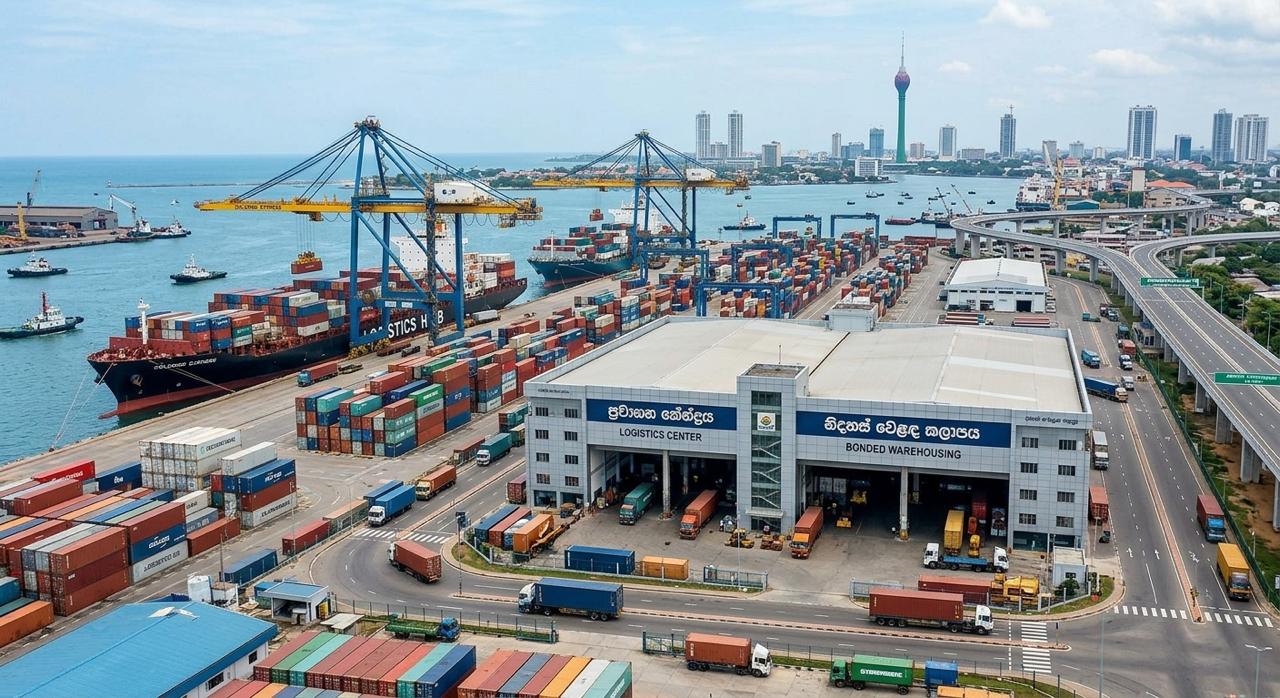
5.Trade and logistics diplomacy. Work with regional partners to secure favorable shipping arrangements, explore alternative supply routes, and support exporters in diversifying markets.
6. Fiscal discipline and transparency. Avoid unfunded spending, strengthen tax administration, and communicate openly with citizens and international partners about the trade-offs involved.
Sri Lanka stands at a crossroads. The global crisis is real, and its effects will be felt in every household. But crises also clarify choices.
By resisting the temptation of unsustainable subsidies, protecting the vulnerable through targeted measures, and investing in long-term resilience in energy, agriculture, and food security Sri Lanka can navigate this storm.
The alternative short-term palliatives financed by borrowed money would only deepen the next crisis. The path forward demands discipline, foresight, and political courage. For a nation that has weathered so much, these are qualities it cannot afford to lack.