Meteorology Department warns developing El Niño could become exceptionally strong as Sri Lanka faces contrasting risks of dry weather and heavy rain
COLOMBO, Friday. Sri Lanka could face an unusually powerful El Niño during 2026–27, with the Department of Meteorology warning of a 69 per cent probability that the developing event could become stronger than those experienced during the past 75 years, raising concerns over agriculture, water supplies, hydropower and the possibility of heavy rainfall later in the year.
Director General of Meteorology Ajith Wijemannage has said moderate El Niño conditions are already being experienced and are expected to strengthen, potentially producing sharply different weather patterns across the country during the coming months.
Submit Your Press Release
Get your company news, announcements, launches, appointments and events in front of a wider audience.


Below-normal rainfall is expected across parts of the Northern, North Central and Eastern Provinces and sections of Uva during the immediate period. That could place pressure on agricultural production and water availability if dry conditions persist.
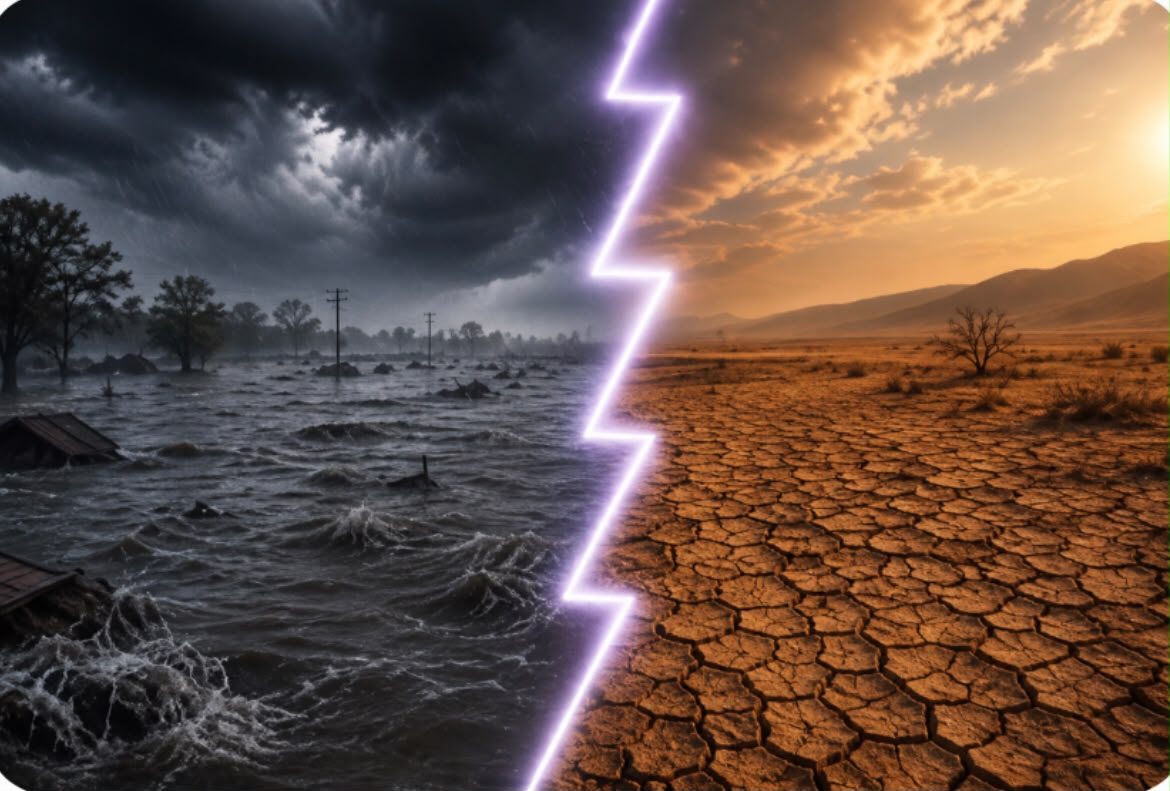
The picture may then reverse. Rainfall is expected to increase from September, with above-average rainfall possible during October and November and heightened rainfall risks continuing into December and January.
The combination presents policymakers with an unusual challenge. Prolonged dry conditions can reduce reservoir levels, affect cultivation and constrain hydropower generation, while excessive rainfall later in the year could produce flooding, landslides and further agricultural losses.
Sri Lanka has already been reminded in recent weeks of its vulnerability to extreme weather, with heavy rains causing deaths, evacuations and landslides in parts of the country. An exceptionally strong El Niño would add another layer of uncertainty to disaster-management and agricultural planning.
The economic implications could also extend beyond the farming districts. Reduced domestic food production can feed directly into inflation, while lower hydropower generation increases reliance on more expensive thermal electricity. At the opposite extreme, floods and landslides damage roads, homes and crops and impose additional costs on the State.
One distinction is nevertheless important. The 69 per cent probability relates to the potential strength of the El Niño event itself. It does not mean Sri Lanka faces a 69 per cent probability of either drought or flooding.
Forecasts will continue to evolve as the phenomenon develops. But with the possibility of unusually strong conditions now being raised by the country’s meteorological authorities, preparations for both extremes may have to begin considerably before either arrives.