Sri Lanka’s economy has finally recovered the output it lost during the crisis. GDP is growing, the country has returned to upper-middle-income status and the World Bank has raised its growth forecast. Yet poverty remains substantially above where it was before the crisis. Economic recovery has arrived. For many households, recovery has not.
There is finally a number Sri Lanka can celebrate. The economy has returned to its pre-crisis size after twelve consecutive quarters of growth, with real GDP expanding by 4.7 percent during the first half of 2026.
The World Bank now expects the economy to grow by 4.4 percent this year, an improvement on its earlier forecast. Industry has performed strongly, services have remained resilient and Sri Lanka has regained the economic output lost during the extraordinary collapse that culminated in 2022.
Submit Your Press Release
Get your company news, announcements, launches, appointments and events in front of a wider audience.


Those are significant achievements. A country that defaulted on its foreign debt, ran desperately short of foreign exchange and endured fuel queues, power cuts and inflation of extraordinary proportions is growing again.
But there is another set of numbers.
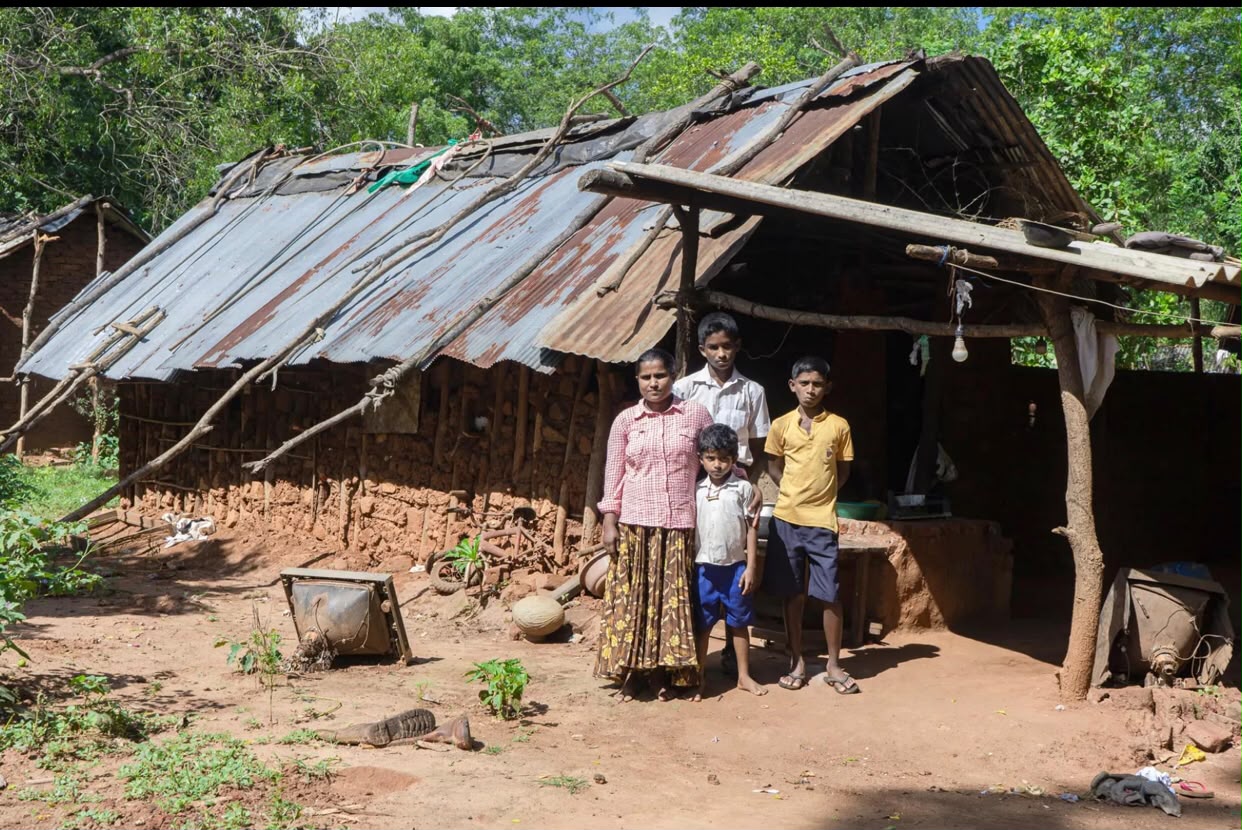
The World Bank estimates poverty at 16.9 percent in 2025, compared with 11.5 percent in 2019. On its revised methodology, poverty reached 20.7 percent at the height of the crisis in 2023, meaning that approximately two million Sri Lankans were pushed into poverty between 2019 and that peak.
The Bank projects the rate falling to 15.8 percent this year, but even by 2028 it expects poverty to remain above its pre-crisis level.
There is an even more revealing figure. The World Bank estimates that around two-fifths of Sri Lankans in 2026 are either poor or vulnerable to falling into poverty.
That is where the economic argument changes.
GDP measures the value of what an economy produces. It does not measure whether a pensioner can afford dinner, whether a family has stopped buying meat, whether a parent has postponed a child’s dental treatment or whether a household that survived the crisis has rebuilt the savings it consumed while doing so.
Nor does an economy returning to its 2018 size mean that individual Sri Lankans have returned to their 2018 circumstances.
Prices have changed. Taxes have changed. Electricity tariffs have changed. Interest rates have moved dramatically and household balance sheets have absorbed years of economic punishment.
Employment and household incomes have not recovered at the same pace as headline GDP.
There is also a geographical dimension. Poverty outside the Western Province is estimated to be two to three times higher than within it, while poverty in the estate sector is estimated at three times the national average.
That makes the next phase of economic policy rather more difficult than the first.
Stabilisation had identifiable targets. Restore reserves. Control inflation. restructure debt. Improve government revenue. Remove some of the enormous losses accumulated within State enterprises and restore confidence in the currency and banking system.
Transformation is harder.
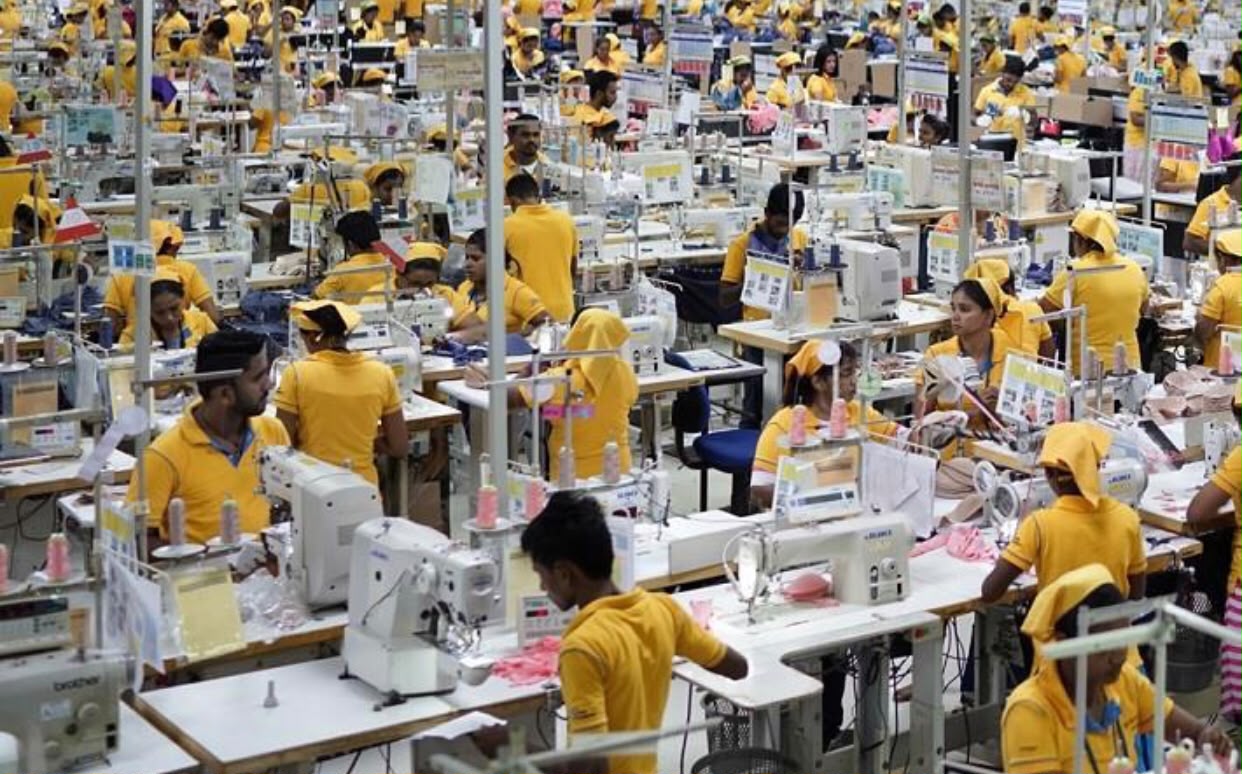
It requires productive jobs, investment, exports and businesses capable of paying wages that allow households to move permanently away from poverty rather than simply surviving immediately above it.
The World Bank itself is now making that distinction. Sri Lanka’s recovery is real, but it describes it as incomplete and uneven.
That is perhaps the most useful description of where the country stands.
Sri Lanka has recovered the economy it had before the crisis. It now has to answer a considerably more difficult question.
When will Sri Lankans recover with it?