No one needs a Central Bank bulletin to know that kitchen essentials are getting pricier again. Yesterday, Trade Minister Wasantha Samarasinghe issued a pointed warning to dried chili importers over both sub-standard stock and attempts to engineer artificial shortages for quick profit. The issue surfaced after quality concerns flagged 14 containers imported in October and another 52 containers in November, out of the 250 to 350 containers Sri Lanka normally brings in. Samarasinghe suggested some importers may have shipped freezer-stored chili in ordinary unrefrigerated containers, spoiling the cargo before warning traders not to squeeze consumers through contrived scarcity.
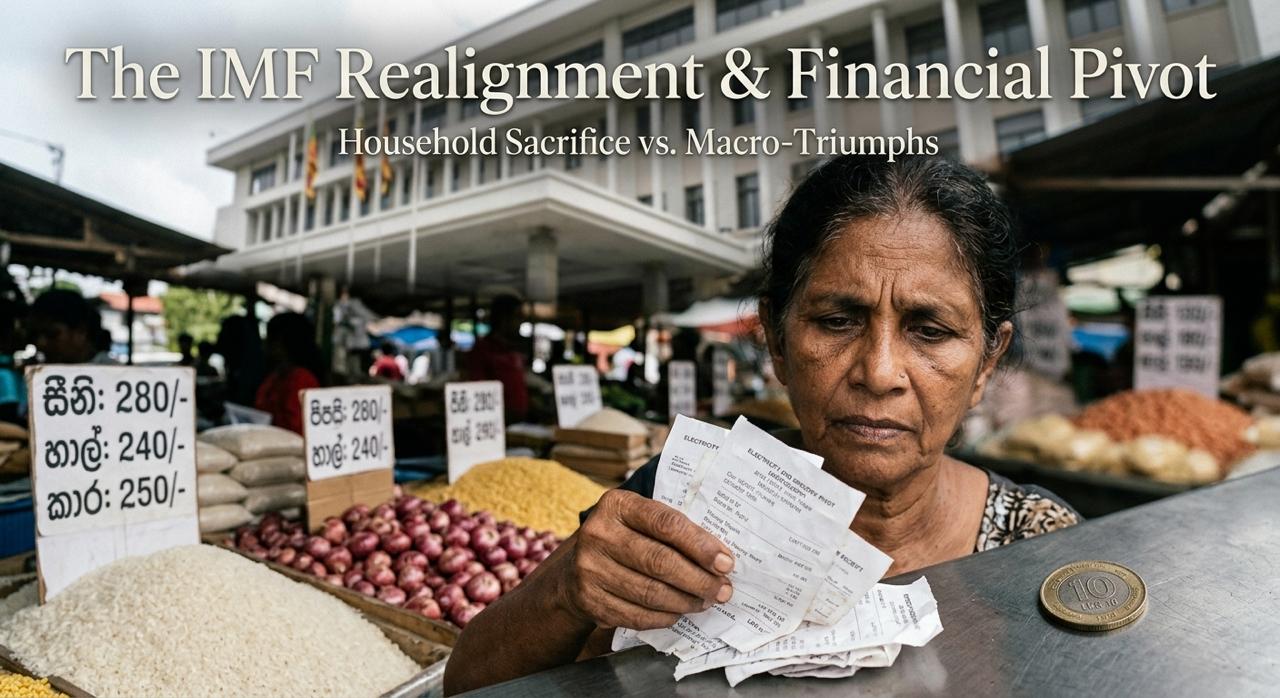
That warning lands right as everyday grocery bills are climbing across Sri Lanka. Central Bank of Sri Lanka weekly price trackers and Department of Census and Statistics market surveys in November 2026 show clear upward pressure across core kitchen staples. Dried chili has hovered between Rs. 850 and Rs. 1,100 per kilogram in retail markets depending on grade and supply bottlenecks. Big onions have climbed past Rs. 220 to Rs. 280 per kilogram, red onions have pushed toward Rs. 450 to Rs. 550 per kilogram, and potatoes sit around Rs. 320 to Rs. 380 per kilogram. Even rice, the non-negotiable anchor of every Sri Lankan plate, has tested household budgets, with Nadu and Samba varieties repeatedly testing maximum retail price ceilings between Rs. 220 and Rs. 260 per kilogram whenever millers tighten releases.
Look across South Asia, and the contrast makes Sri Lankan shoppers wince even harder. In India, the world’s largest producer and exporter of dried red chilies, wholesale prices in major hubs like Guntur in Andhra Pradesh have traded around INR 130 to INR 180 per kilogram, roughly Rs. 460 to Rs. 640 in Sri Lankan terms, while Indian retail onion prices generally sit near INR 35 to INR 55 per kilogram (around Rs. 125 to Rs. 195). Across the broader South Asian neighborhood, FAO Food Price Monitoring data and World Bank regional food inflation updates show that while India, Pakistan, and Bangladesh all battle weather-driven vegetable spikes, Sri Lanka’s heavy reliance on import licensing, customs clearances, and concentrated wholesale networks makes local retail prices far slower to fall when global wholesale costs ease.
Submit Your Press Release
Get your company news, announcements, launches, appointments and events in front of a wider audience.


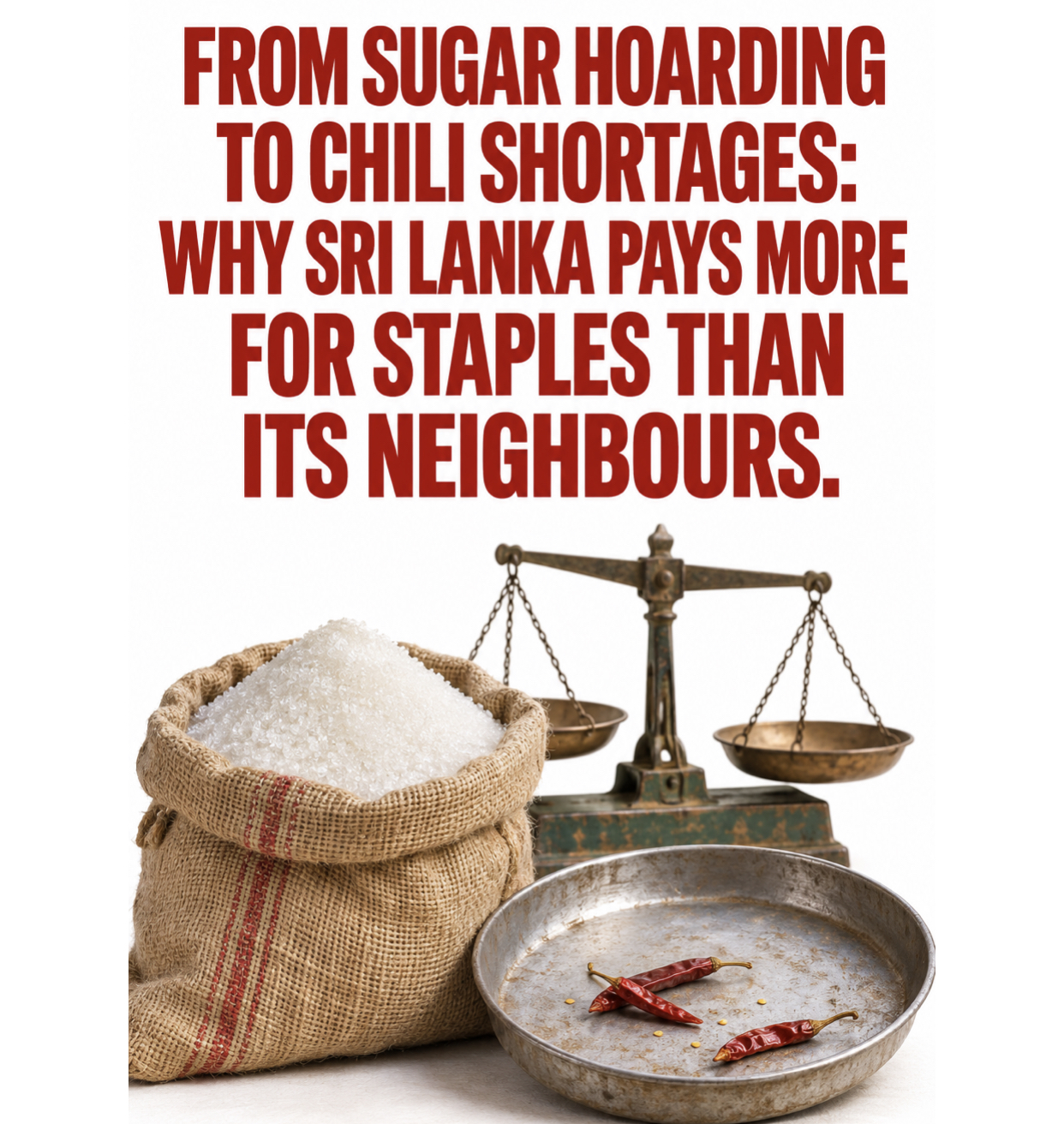
If the chili episode feels familiar, that is because Sri Lanka has watched this exact playbook unfold across multiple commodities during every cost-of-living crunch. Back in 2020 and 2021, sugar importers pocketed massive windfalls after import taxes were slashed from Rs. 50 per kilogram to 25 cents, yet retail sugar prices stayed stubbornly high while stocks sat locked in private warehouses until Consumer Affairs Authority raids exposed widespread hoarding. Eggs became another textbook case between 2022 and 2024, when dominant producer groups repeatedly resisted gazetted price controls, choked supply to supermarkets, and pushed retail prices past Rs. 55 to Rs. 65 per egg before state-backed imports finally broke the squeeze.
The same structural grip appears in Sri Lanka’s rice and poultry sectors. In rice milling, a small circle of large-scale millers in Polonnaruwa and surrounding districts controls massive paddy storage capacity, giving them enough market weight to dictate wholesale flows and force repeated government negotiations over controlled prices. In poultry and animal feed, a handful of vertically integrated conglomerates control breeding stock, day-old chicks, feed mills, and retail distribution, leaving smaller farmers and consumers with little bargaining power when input costs shift.
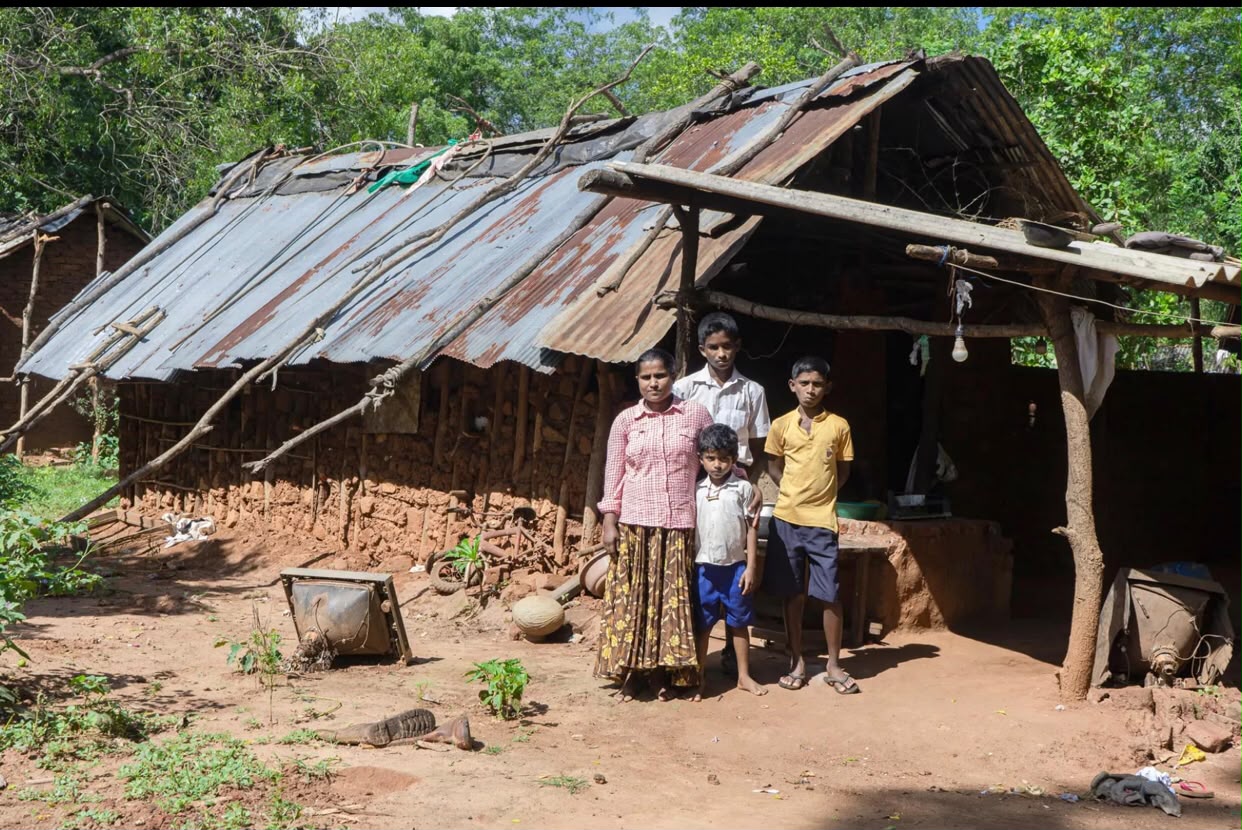
When 66 containers of questionable chili collide with already nervous grocery budgets, the problem goes far deeper than one batch of spoiled spice. Warnings from a podium only go so far when importers and wholesalers know enforcement moves slower than price tags. Unless the Consumer Affairs Authority, Sri Lanka Customs, and the Trade Ministry pair tough talk with transparent import data, swift blacklisting of errant traders, and real competition in wholesale distribution, Sri Lankan households will keep paying an invisible monopoly tax every time they buy ingredients for a basic meal.