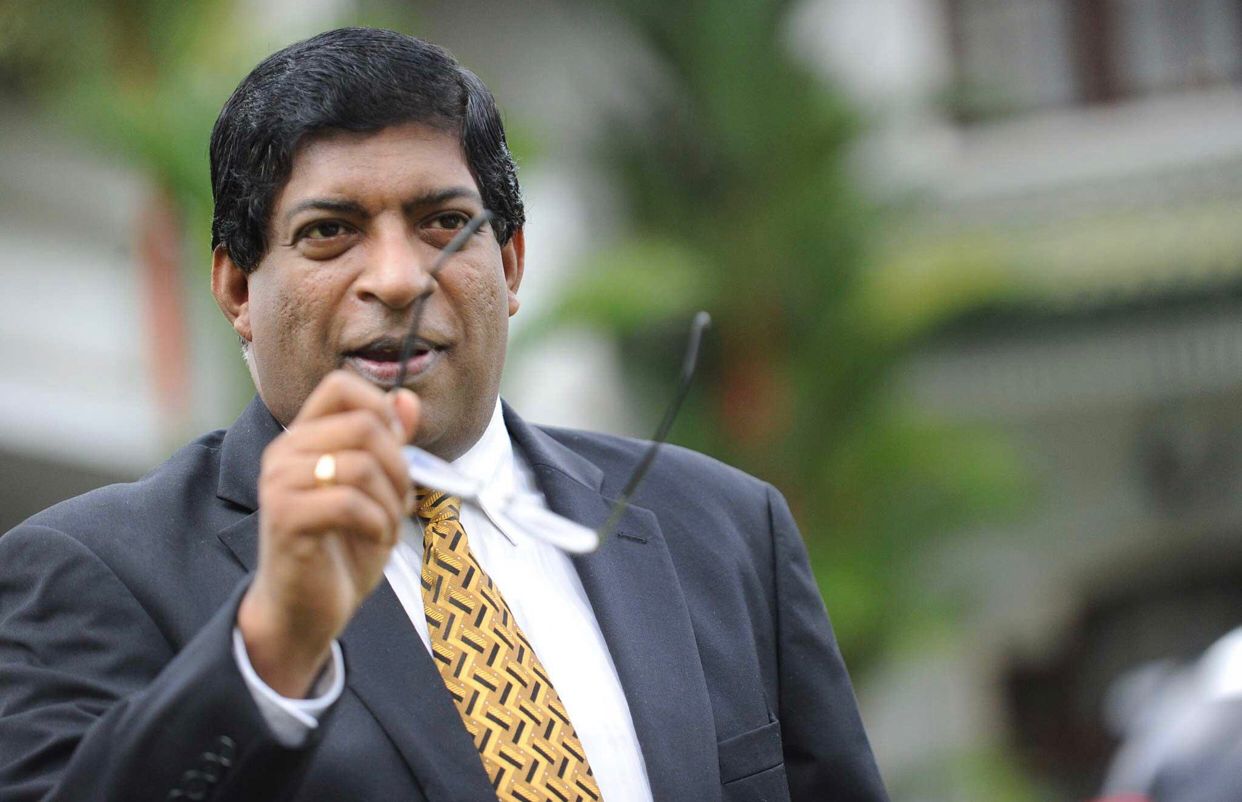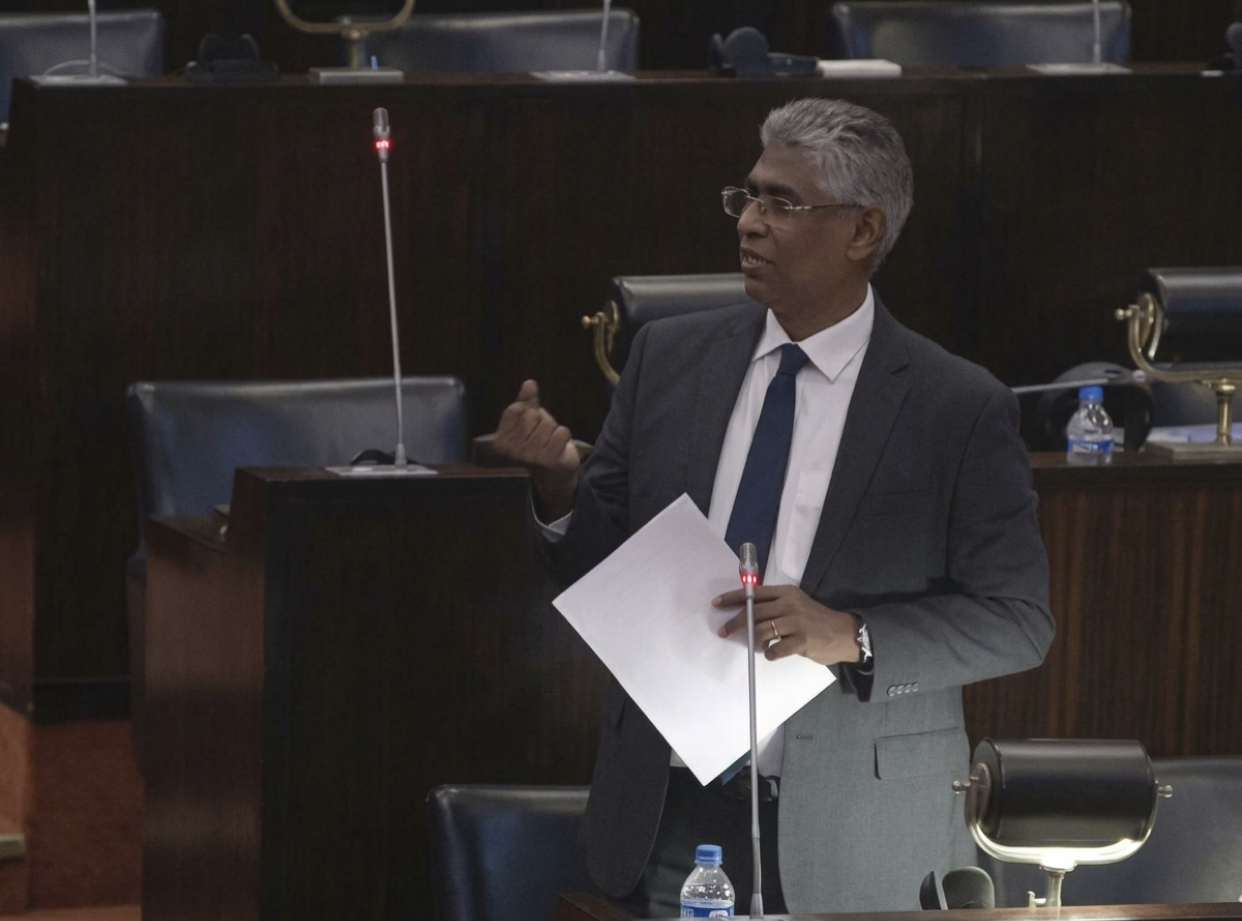
Parliamentarian Faizer Musthapha, President’s Counsel and Member of Parliament, brought up several pressing issues before Parliament yesterday, November 26, 2026, urging lawmakers to overhaul a prison system that locks offenders away without equipping them to return safely to society. Speaking in the chamber as the Sectoral Oversight Committee on Legal Reforms and Justice has scrutinized severe overcrowding and deteriorating jail conditions, Musthapha pointed out that Sri Lanka is still governing its correctional facilities under the colonial-era Prisons Ordinance of 1890 and pressed the government to enact modern legislation suited to contemporary penological realities.
The core of Musthapha’s intervention was the failure of purely punitive custody to stop repeat offending. Noting that global correctional standards have moved away from isolating inmates entirely from society, he pointed to reports showing that a majority of Sri Lankan prisoners are serving second, third, or subsequent sentences. Without structured education and marketable skills, he warned, the state cannot realistically reintegrate former offenders into civilian life, leaving both inmates and taxpayers trapped in a cycle of reoffense.
To break that cycle, Musthapha outlined a practical rehabilitation and economic model centered on education, vocational training, and paid labour. He proposed establishing an Open University unit inside prison facilities so inmates can pursue formal higher education while serving their terms, alongside coordinated programs with the vocational training minister to teach trades aligned with market demand. Drawing on international examples where correctional systems generate substantial revenue through structured inmate employment, Musthapha highlighted the economic contradiction facing Sri Lanka: while key sectors struggle with labour shortages and employment pressures, roughly 10,000 prisoners remain idle behind bars. Even where a worker outside might command daily wages of Rs 10,000 to Rs 20,000, he argued that training inmates and paying them a structured salary inside custody would ease labour bottlenecks, restore human dignity, and allow prisoners to support themselves and their dependents.
Submit Your Press Release
Get your company news, announcements, launches, appointments and events in front of a wider audience.


Musthapha also urged the government to expand open prisons and agricultural work programs, noting that jurisdictions worldwide are shifting eligible offenders out of closed cells into agricultural zones where they contribute directly to crop development and food security. In Sri Lanka, by contrast, he observed that authorities largely rely on locking people away while society turns a blind eye, reinforcing stigma and wasted human capital.
Alongside economic rehabilitation and statutory reform, Musthapha raised the question of conjugal rights in prison, pointing to legal and policy developments in India and across the region as Sri Lanka considers modernizing its 1890 framework. In Jasvir Singh & Anr. v. State of Punjab & Ors. (CWP No. 5429 of 2010, decided May 29, 2014), the Punjab and Haryana High Court held that the right to conjugal life and procreation survives incarceration under Article 21 of the Constitution of India, subject to reasonable restrictions and procedure established by law, though it declined to grant the specific relief sought by the petitioners.
That judgment established a doctrinal benchmark across the Indian subcontinent, framing conjugal rights in prison around whether married inmates may maintain marital companionship, intimacy, or procreative capacity through regulated private visitation, temporary furlough or parole, or assisted reproduction.
Across India, Pakistan, Bangladesh, and Sri Lanka, however, nineteenth- and early twentieth-century prison statutes were drafted around physical confinement, institutional security, and brief supervised visits rather than rehabilitation or family preservation. In practice across South Asia today, implementation of conjugal access remains sparse and uneven, constrained by severe overcrowding that exceeds 100% capacity in many Indian states and reaches roughly 200% to 232% of authorized capacity in Sri Lankan prison audits, where inmate populations have hovered near 40,000 against capacity closer to 11,000. Within India, Rajasthan operates one of the longest-running family cohabitation models through its open-air camp system under the Rajasthan Prisoners Open Air Camp Rules, 1972, allowing eligible convicts to live with their spouses and children in dedicated quarters while working outside during the day, whereas Punjab’s pilot conjugal visitation rooms were suspended after launch due to contraband-screening and security challenges, and courts in states such as Tamil Nadu have granted fertility or conjugal parole only in narrow, exceptional cases while stressing that such rights remain bounded by statutory rules.
Taken together, these issues placed before Parliament underscore that genuine prison reform cannot be piecemeal. Replacing an 1890 ordinance means addressing the full arc of incarceration: decongesting overcrowded facilities, introducing accredited education and vocational wages, expanding productive open-air agricultural camps, and establishing clear legal rules on family ties and conjugal access so that custody prepares prisoners to return as productive citizens rather than repeat offenders.