
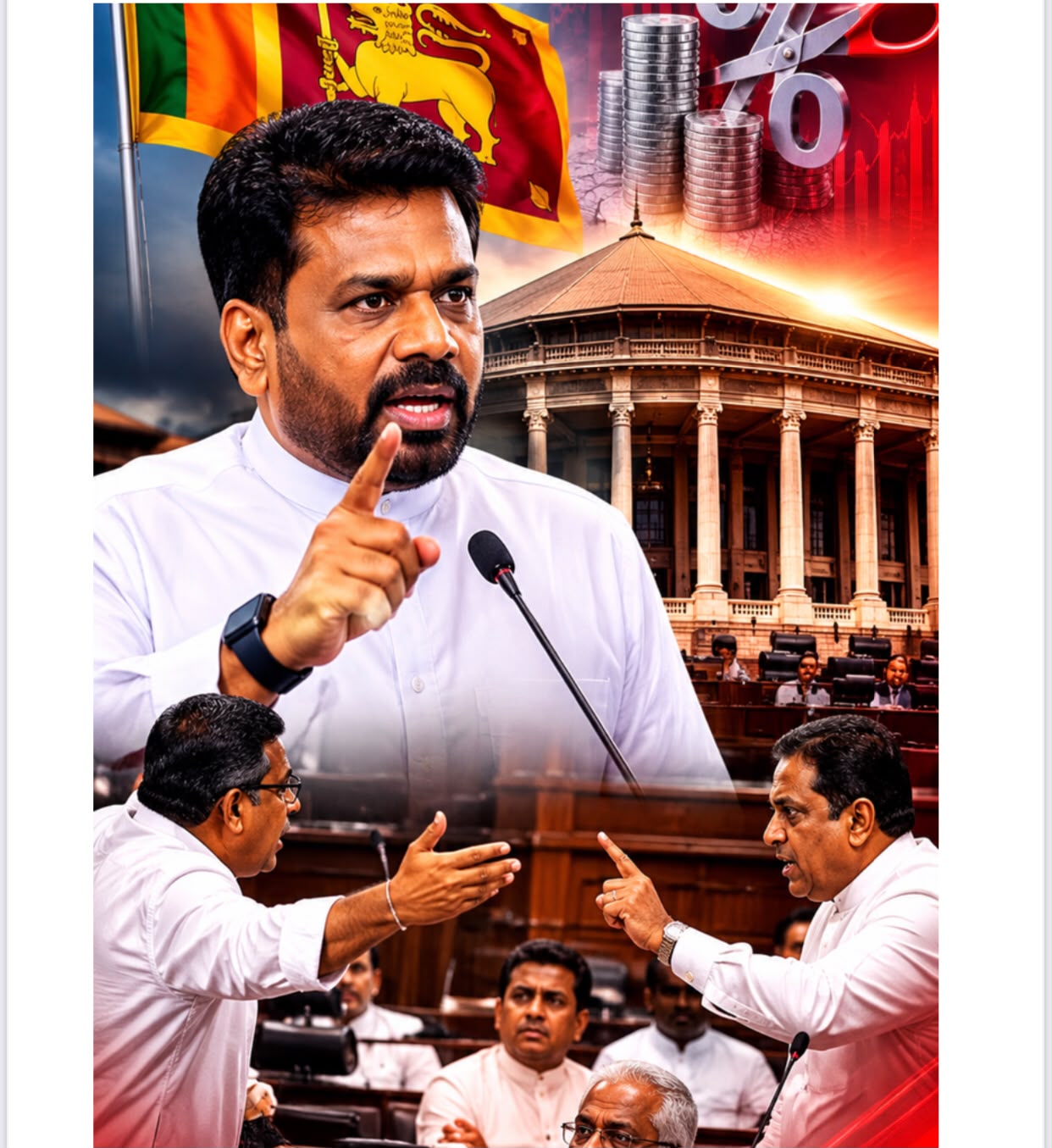
Few things stir political theater quite like a debate over who is reaching into the taxpayer’s pocket, and Sri Lanka’s Parliament just bore witness to a masterclass in conflicting ledger books. Opposition MP Ajith P. Perera has launched a scathing parliamentary assault on President Anura Kumara Dissanayake, directly accusing the Head of State, who conveniently also serves as Finance Minister, of misleading the public over the government’s tax trajectory.
The controversy erupted following recent high-profile declarations by President Dissanayake, who assured citizens that his administration had not introduced a single new tax since taking office in late 2024. Pledging further tax relief in the upcoming budget, the President argued that his government had instead focused on curbing state waste, easing the burden on ordinary citizens, and significantly paring down several existing tariffs.
Speaking on the floor of the House, Perera methodically pulled apart the President’s claims, accusing the administration of practicing selective arithmetic amnesia while citizens reel from persistent cost-of-living pressures.
Submit Your Press Release
Get your company news, announcements, launches, appointments and events in front of a wider audience.


“The President insists that not a single new tax has been introduced under his watch,” Perera declared during his speech. “Yet the official revenue record tells a completely different story. We are looking at three brand-new tax measures and at least seven major tax hikes slapped onto the public”.
Perera’s breakdown listed the newly minted revenue levies, highlighting a 15 percent income tax imposed on service export earnings, an 18 percent Value Added Tax (VAT) extended to digital services, and a 5 percent withholding tax applied to specified professional service payments.
Turning to rate increases, the Opposition MP detailed hikes hitting interest income, capital gains, financial services, alongside steep revisions on alcohol, tobacco, and betting and gaming operations.
“How can the Finance Minister of this country claim no new taxes exist when digital services, export income, and professional fees are being squeezed under new instruments?” Perera questioned, taking direct aim at Dissanayake’s dual executive roles.
He argued that while state treasuries continue to collect record receipts, government ministries are simultaneously failing to fully utilize the capital revenues gathered from strained households.
While official economic records confirm that several statutory tax adjustments, including cross-border digital service VAT and service export income levies, were legislated to broaden the national revenue base, the administration maintains these are essential structural realignments inherited from broader fiscal stabilization efforts rather than ad-hoc extractions.
As the upcoming budget deadline approaches, the debate highlights the tightrope President Dissanayake must walk: balancing populist promises of middle-class tax relief against the unyielding requirements of state debt restructuring. For Sri Lankan taxpayers, however, the technical distinction between a “new tax” and a “realigned rate” matters far less than the final balance on their bank statements.



